
Byoungchan Yun
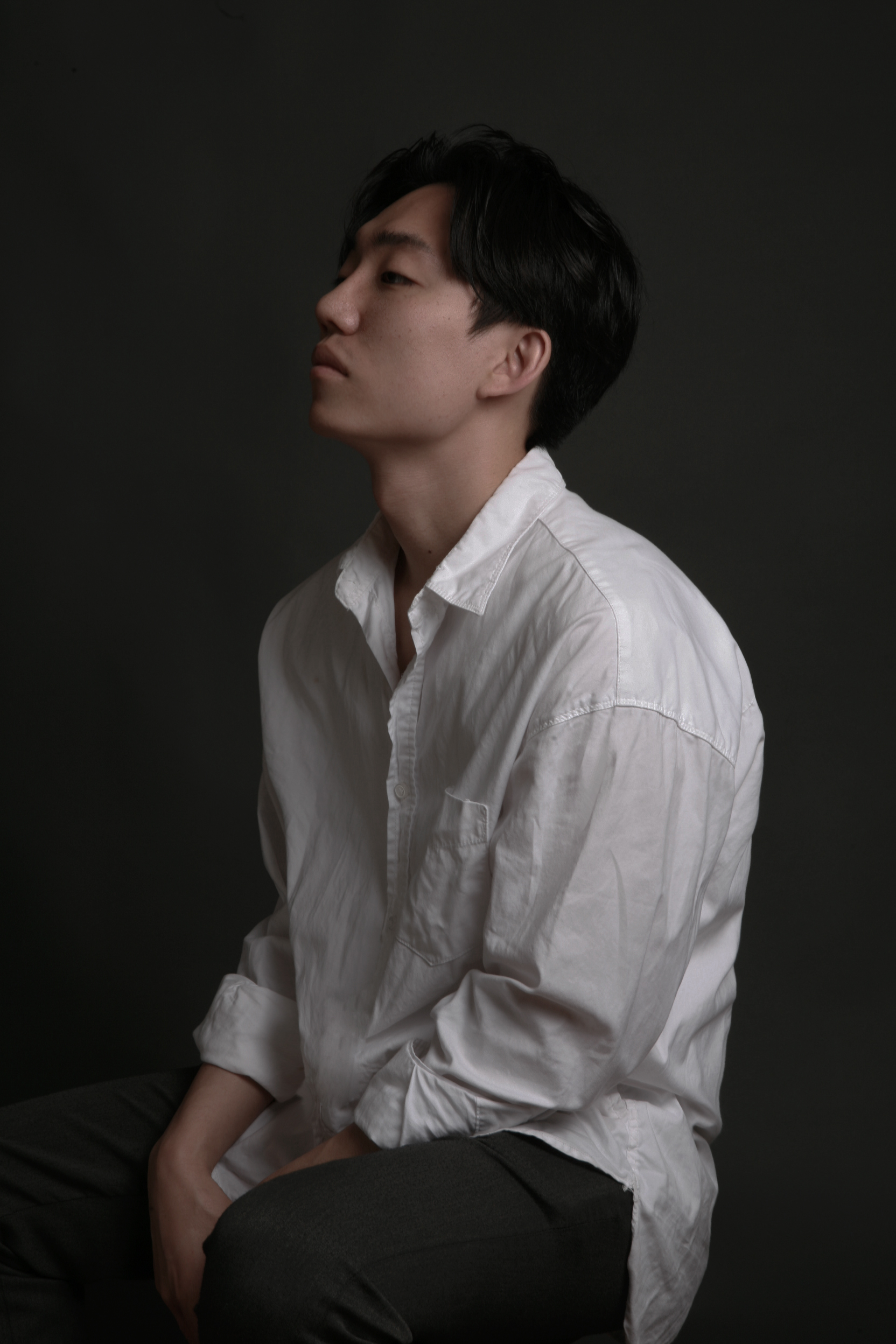
He comes from the city of Uijeongbu in South Korea, where he studied product design. In 2019, he moved to Prague to study glass in greater depth at the Academy of Arts, Architecture and Design in the studio of Rony Plesl.
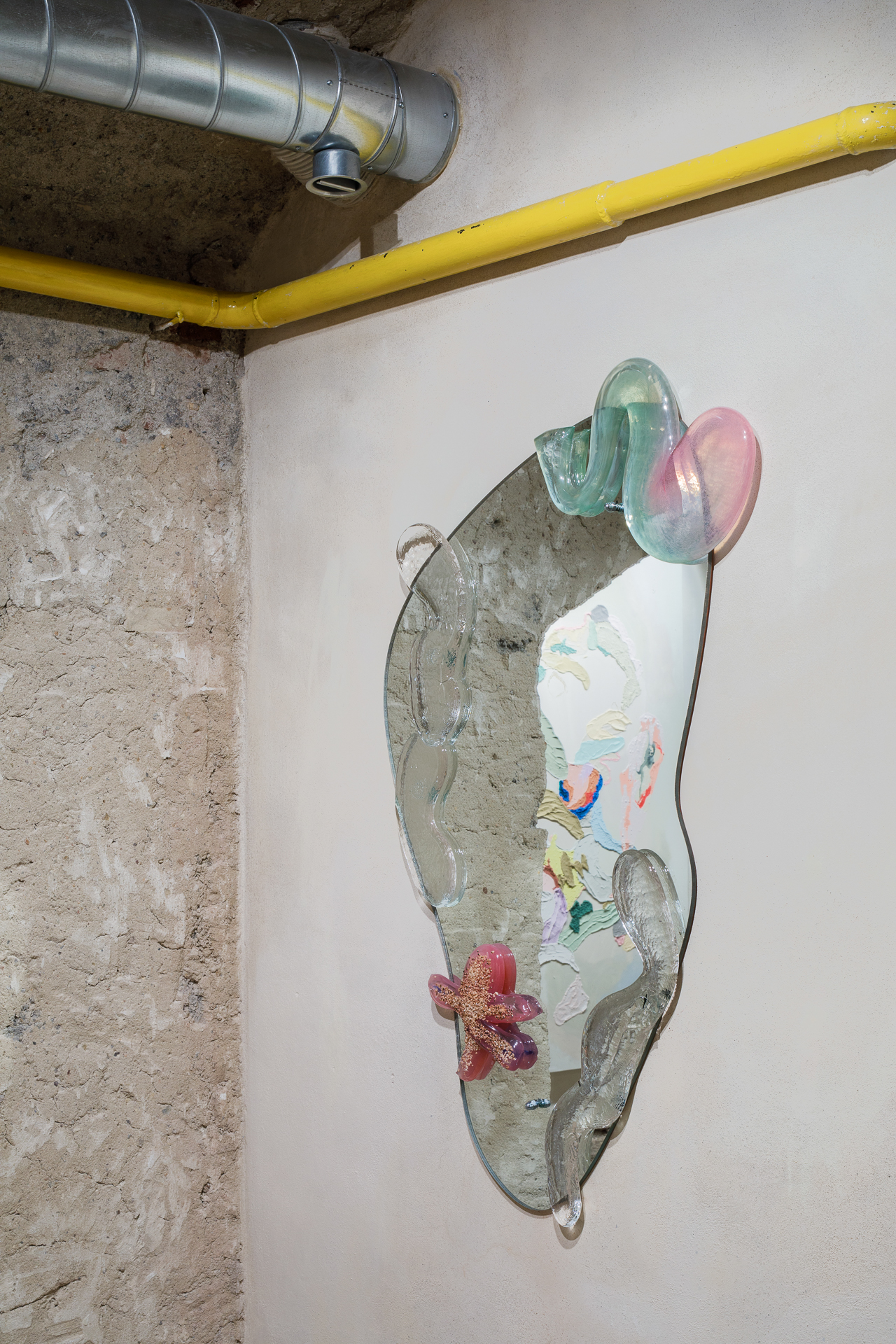
Inspired by the contrasts between traditional Oriental order and the contemporary fluidity of Korean culture, he combines precision in design with the poetics of natural forms and light in his work. He works at the Dechem studio, and his Blooming Light object was recognized in the Preciosa Master of Crystal competition. He has presented his work at Designblok in Prague, among other venues.
Byoungchan Yun’s work is characterized by a deep connection between spiritual, cultural, and material levels. In his work, he combines Korean tradition with European intellectual heritage and Czech glassmaking craftsmanship, creating objects that transcend the boundaries of ordinary design and enter the realm of ritual, meditation, and everyday spiritual experience.
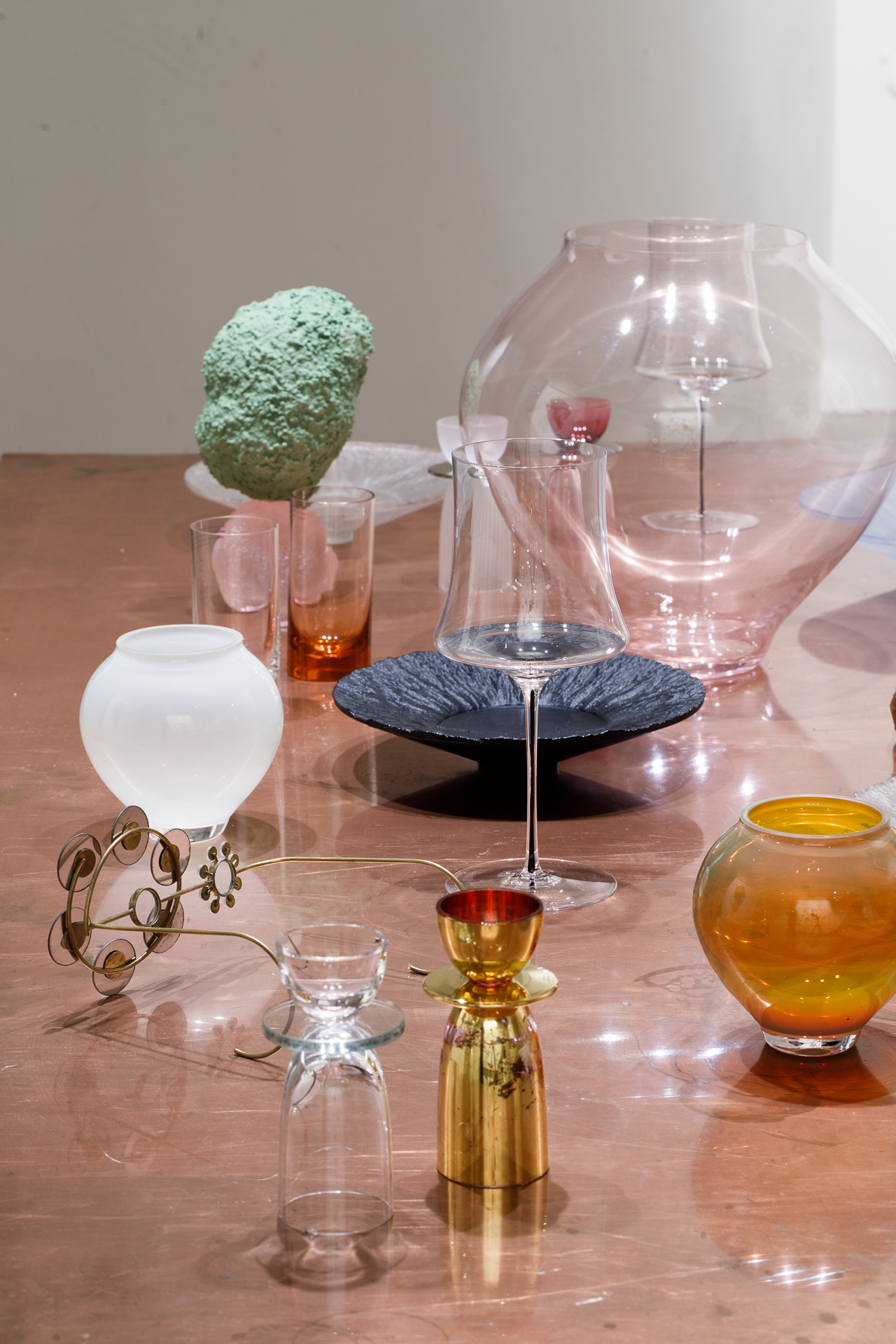
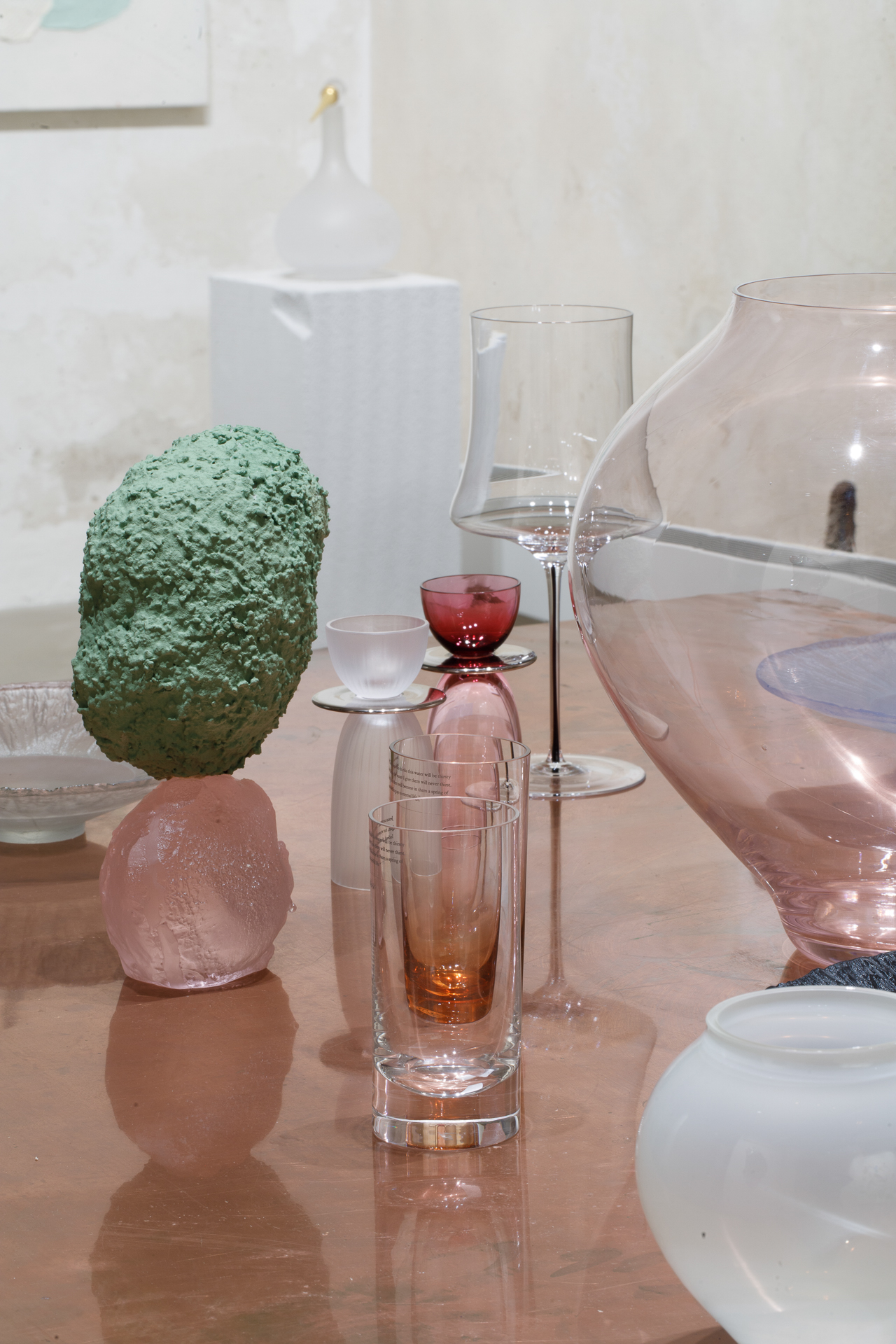
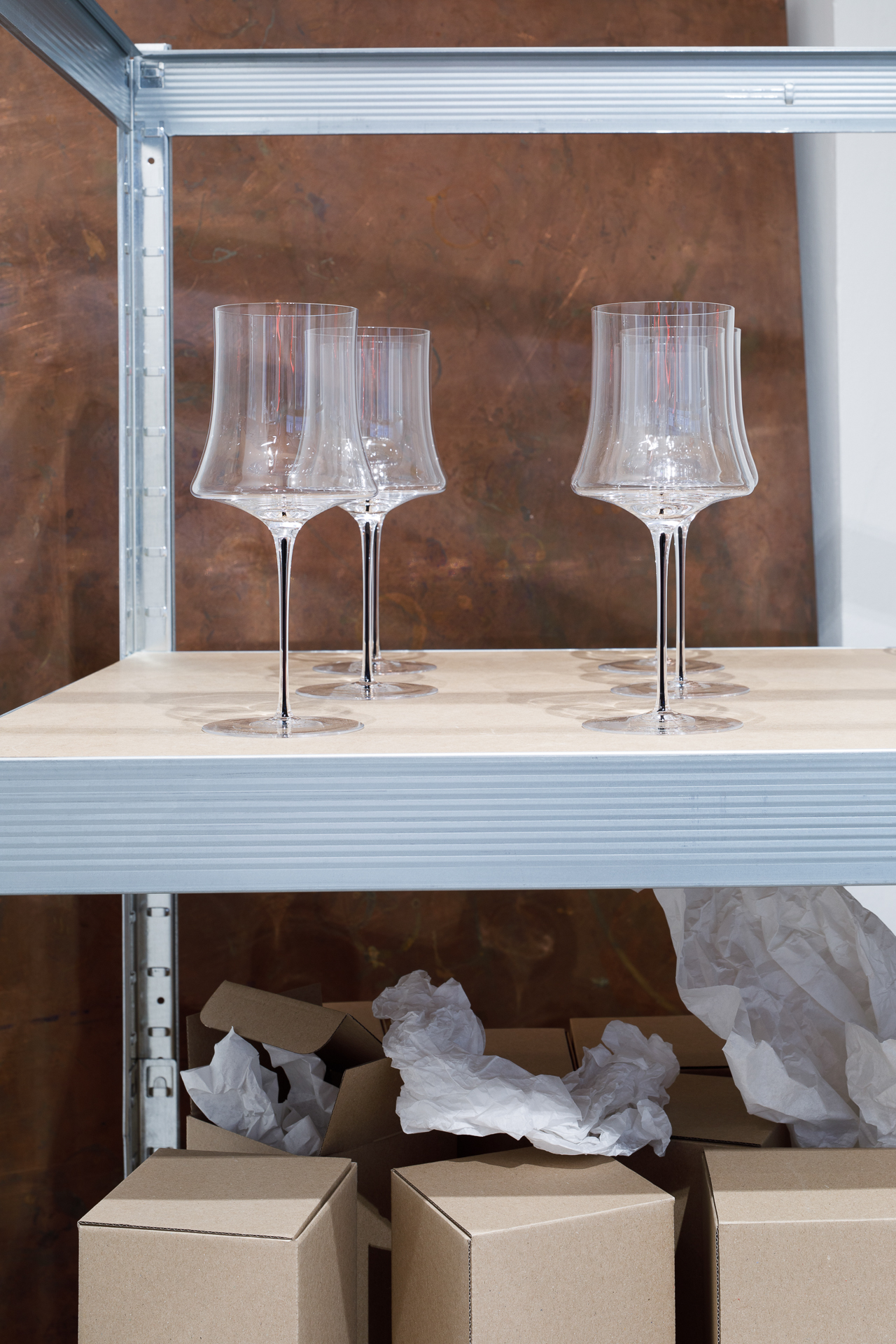
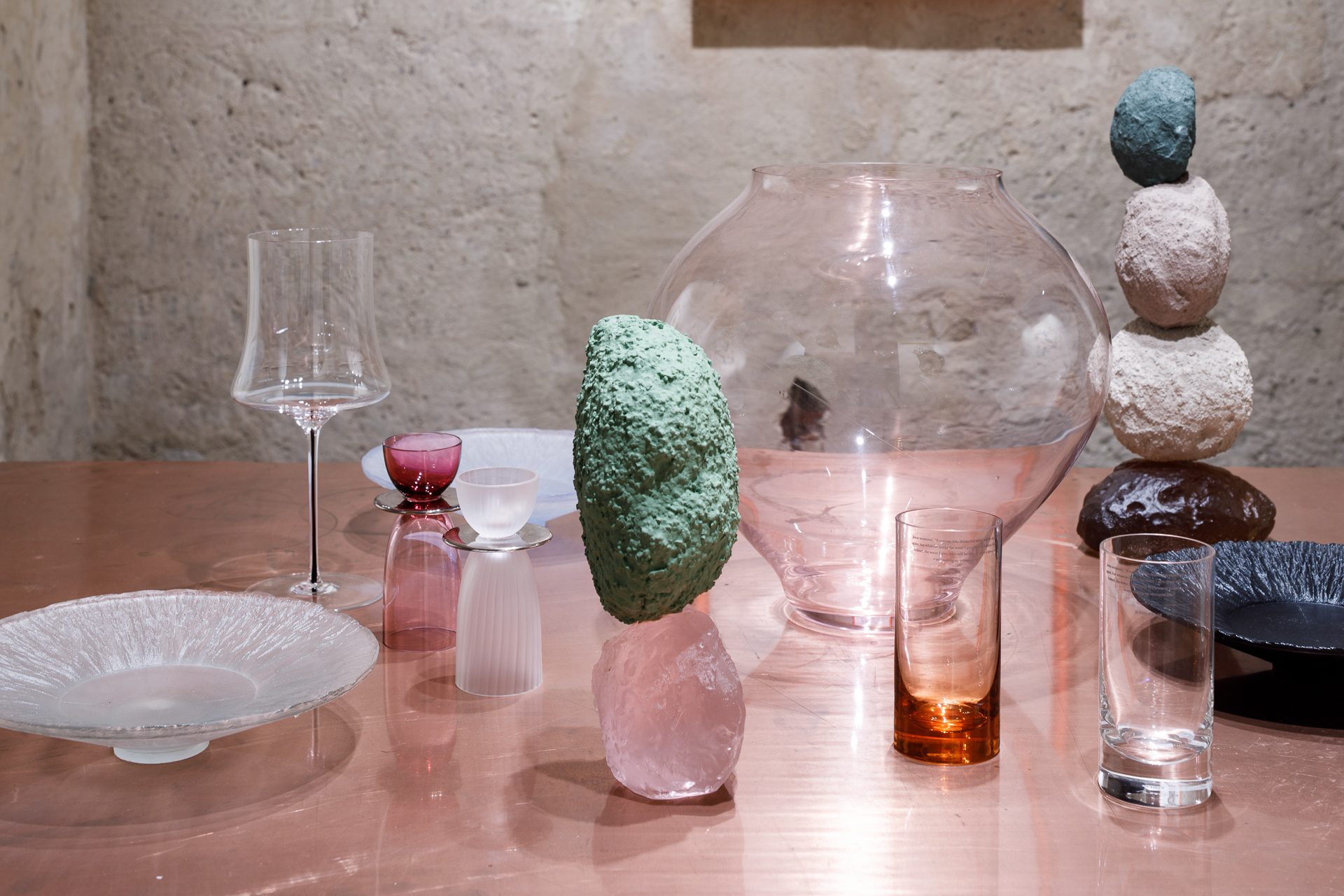
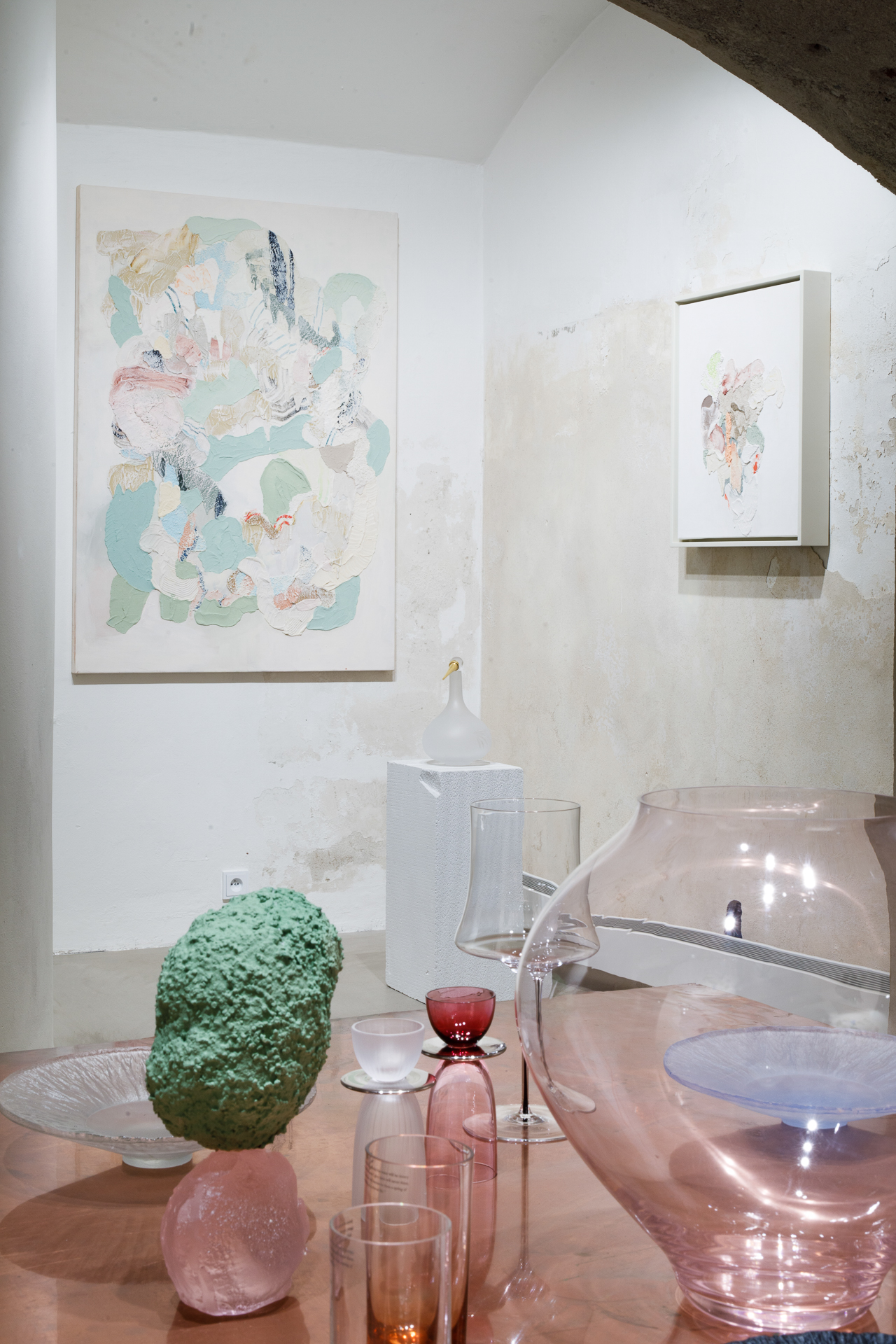
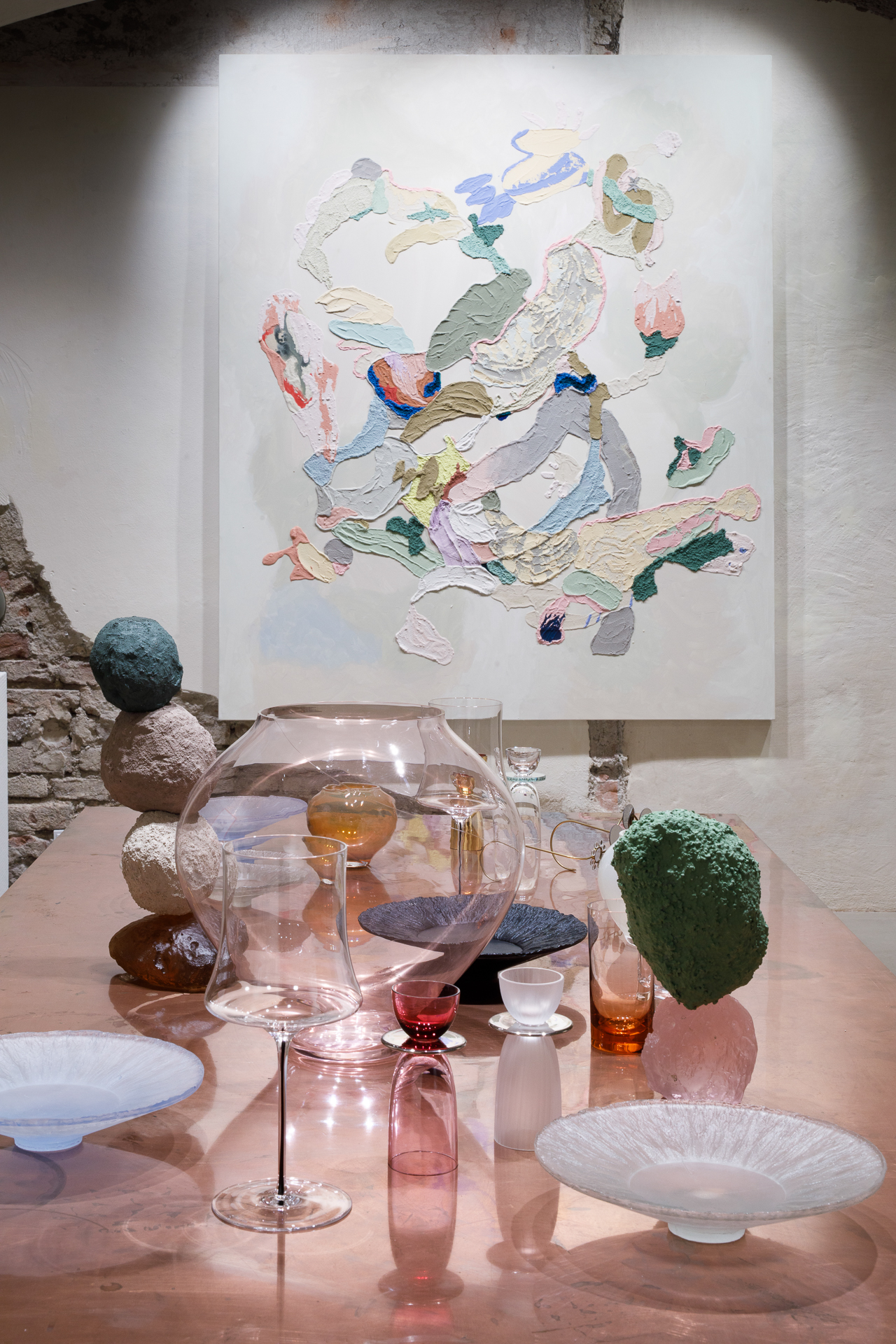
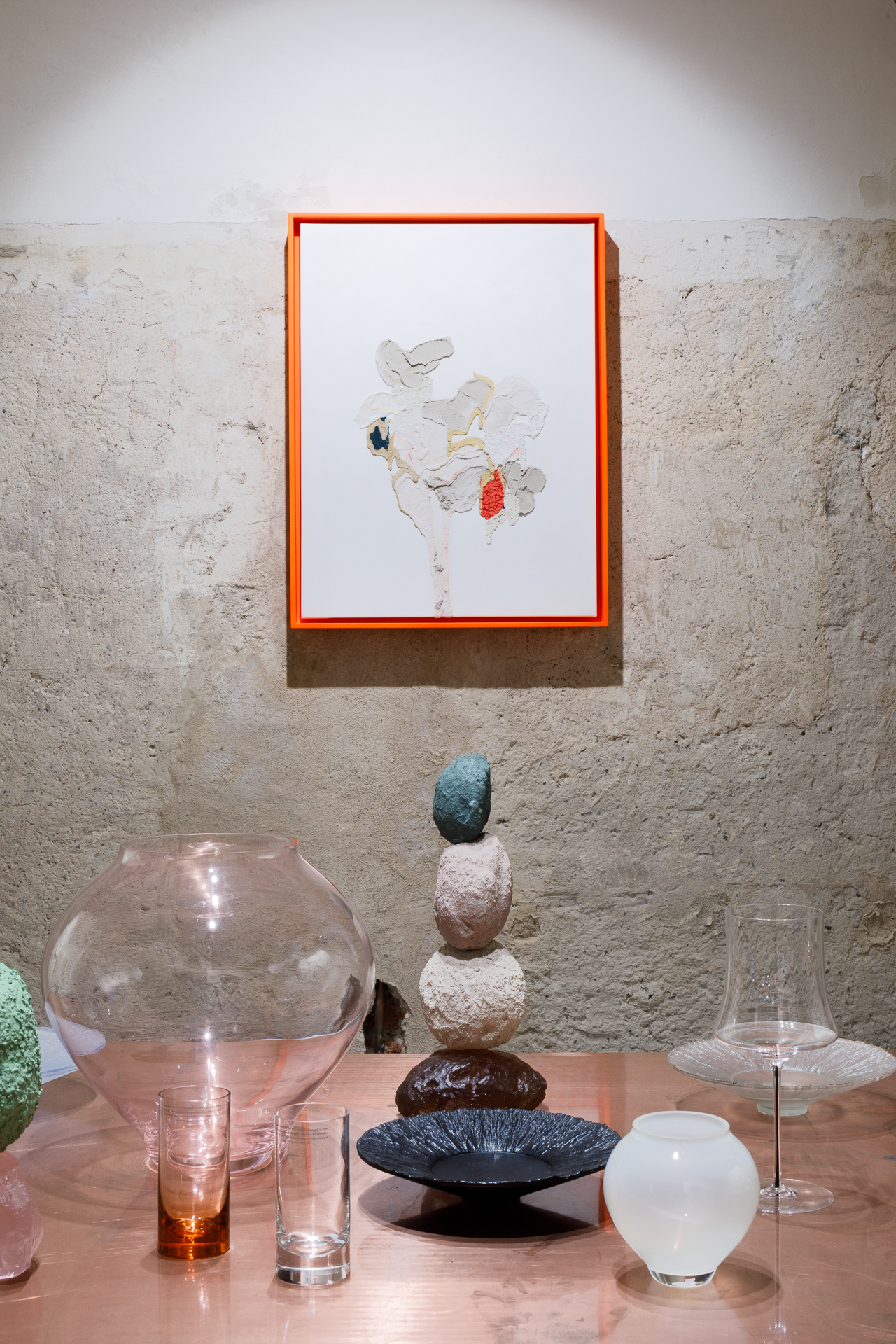
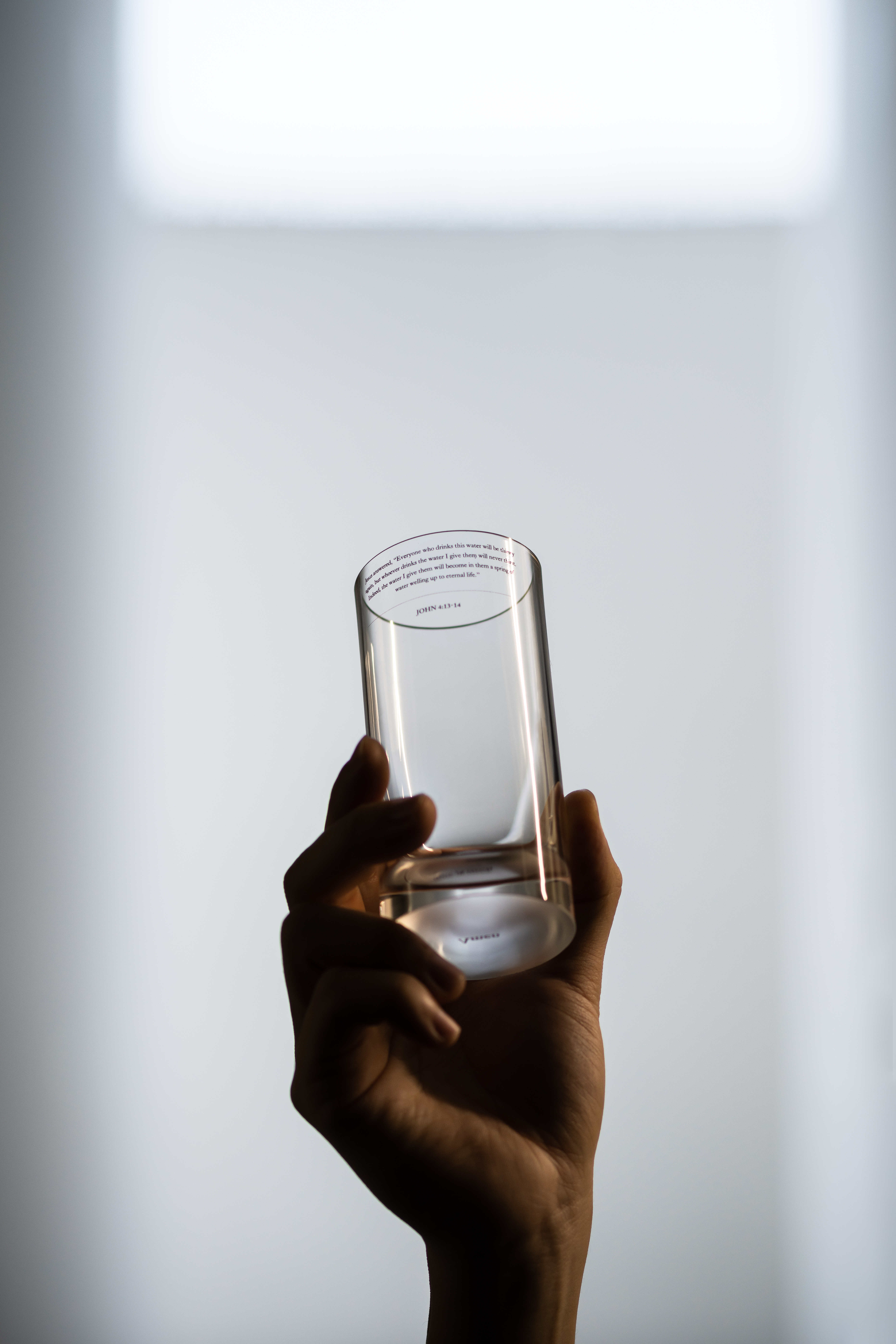
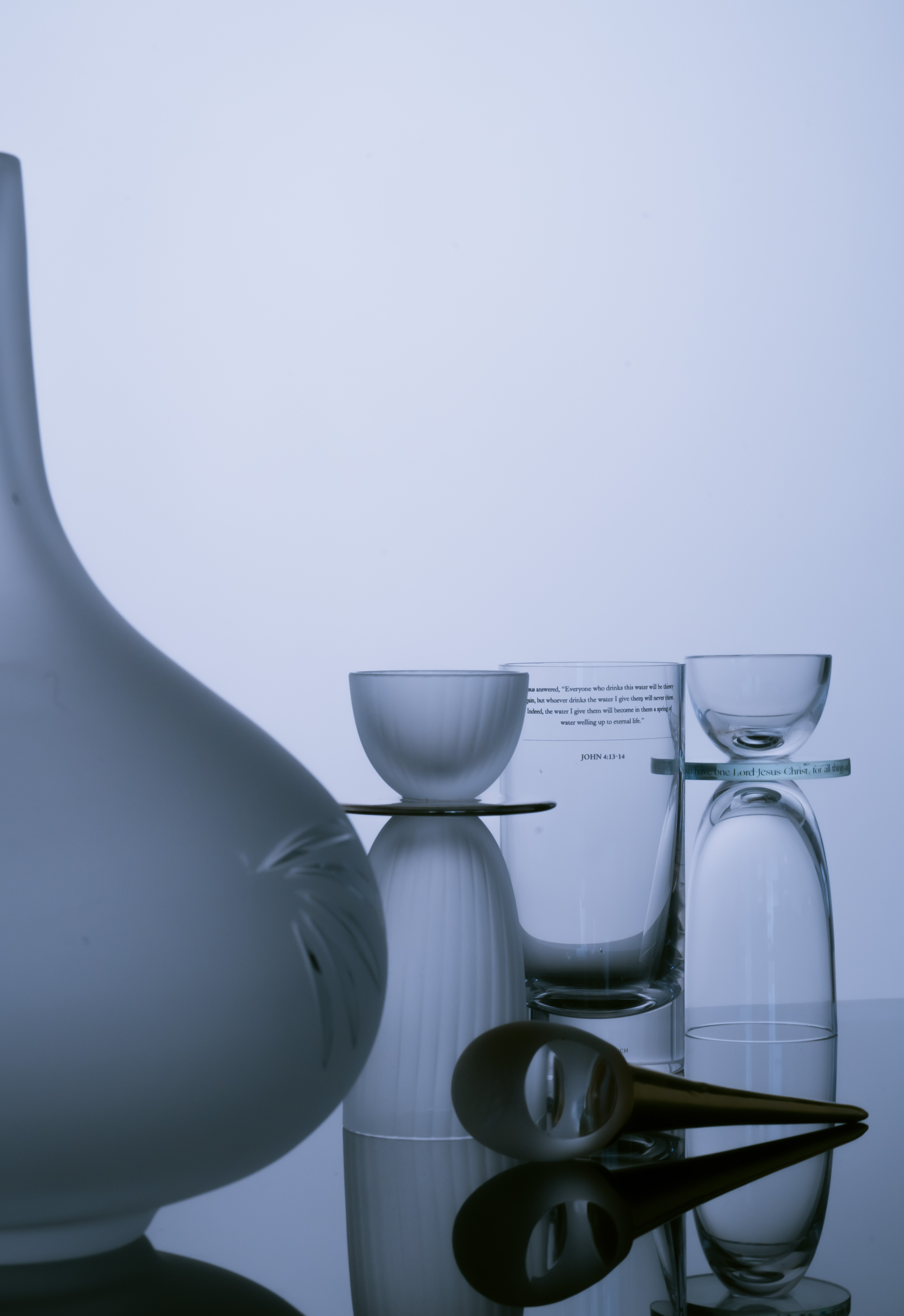
One striking example of Yun’s approach is the Kiwa Glass collection, inspired by the arches of traditional Korean roofs made of kiwa tiles—symbols of protection, order, and connection to the heavens. The glasses, precisely blown by Czech masters, bear traces of craftsmanship and historical continuity. Another original design is a series of glasses bearing biblical verses. Byoungchan transforms these seemingly ordinary objects into carriers of spiritual content – the simple form of an everyday item becomes an instrument of inner calm and a reminder of words that are easily lost in the whirlwind of modern life. The glasses function as silent prayers that accompany people in everyday situations.
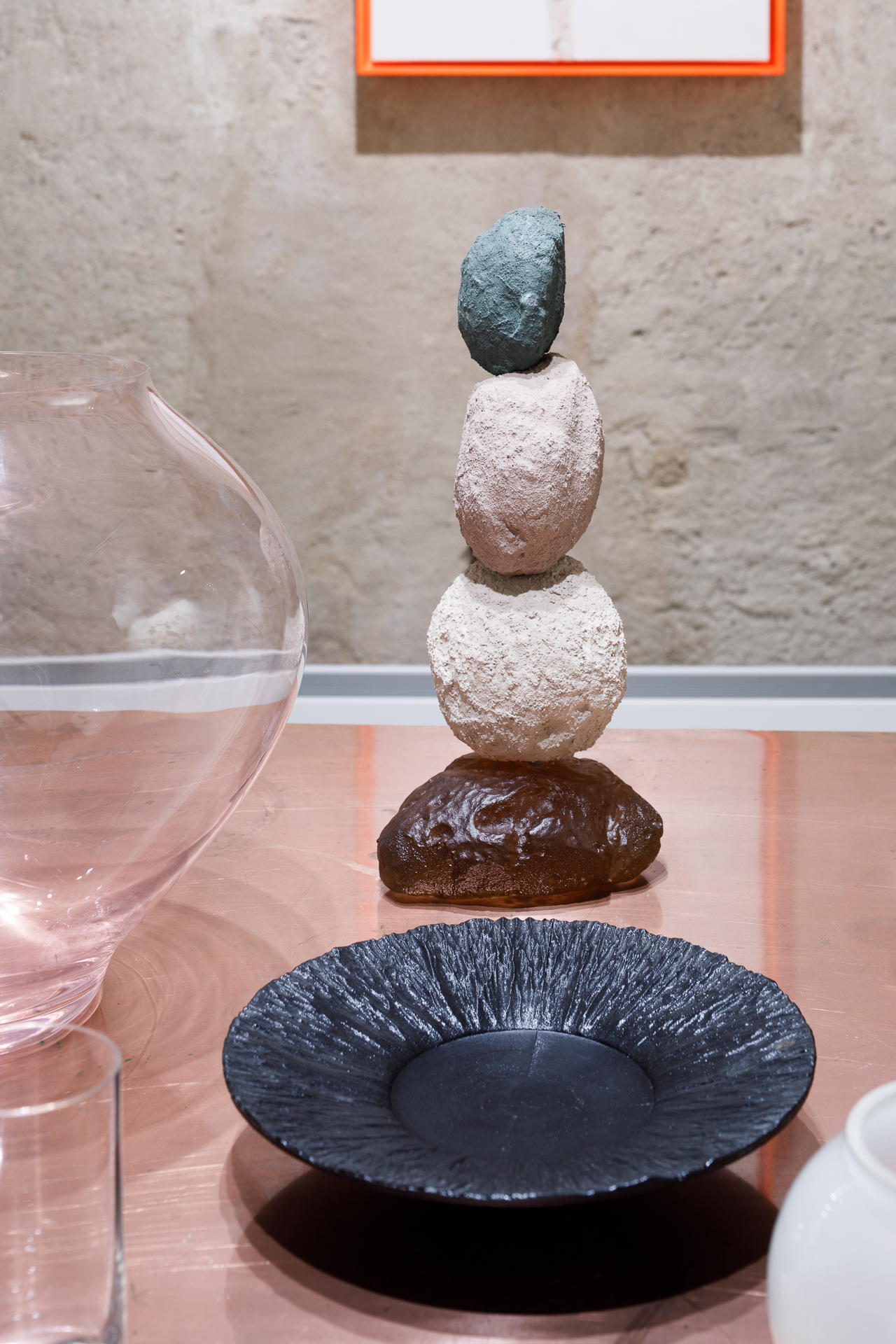
Another line of his work draws on the traditional Korean ritual of jesa – a ceremony in which respect is paid to deceased ancestors. For this purpose, he designs ritual glass vessels that combine respect for ancestors with modern artistic language. With these objects, he raises the question of how contemporary design can revive forgotten or marginalized spiritual practices and transfer them to the present through new forms and materials.
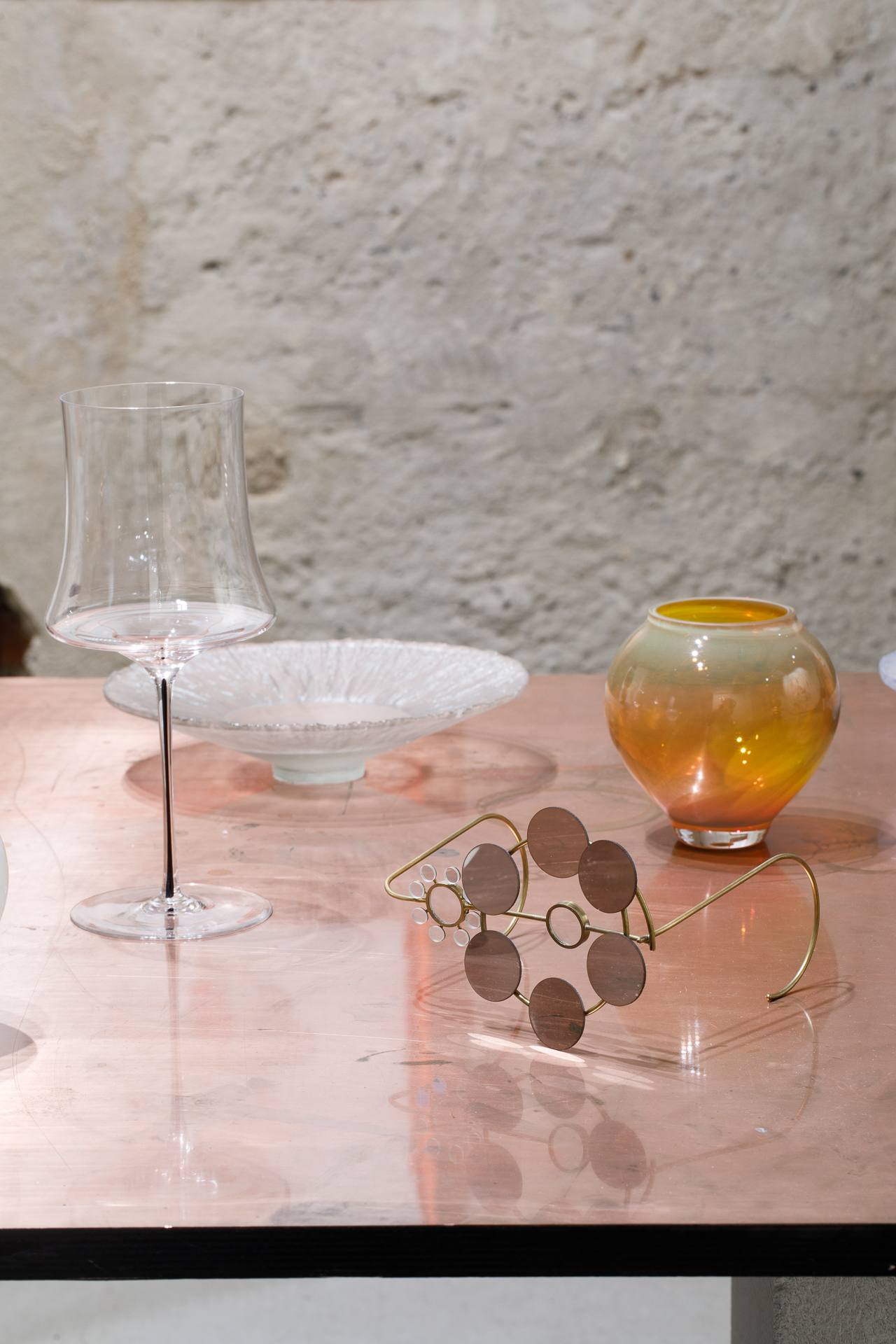
Last but not least, his work is remarkable for its ability to transform traditional intellectual references into contemporary aesthetic gestures—for example, in his design for eyeglasses inspired by Jan Amos Comenius’s work The Labyrinth of the World and the Paradise of the Heart. This completely innovative fashion accessory becomes a wearable manifesto in which introspective philosophy meets the poetics of vision – both optical and spiritual. Glasses are not just a functional object, but a means of seeing the world in a new way – through the symbolic prism of Comenius’ humanism and the desire for inner paradise.
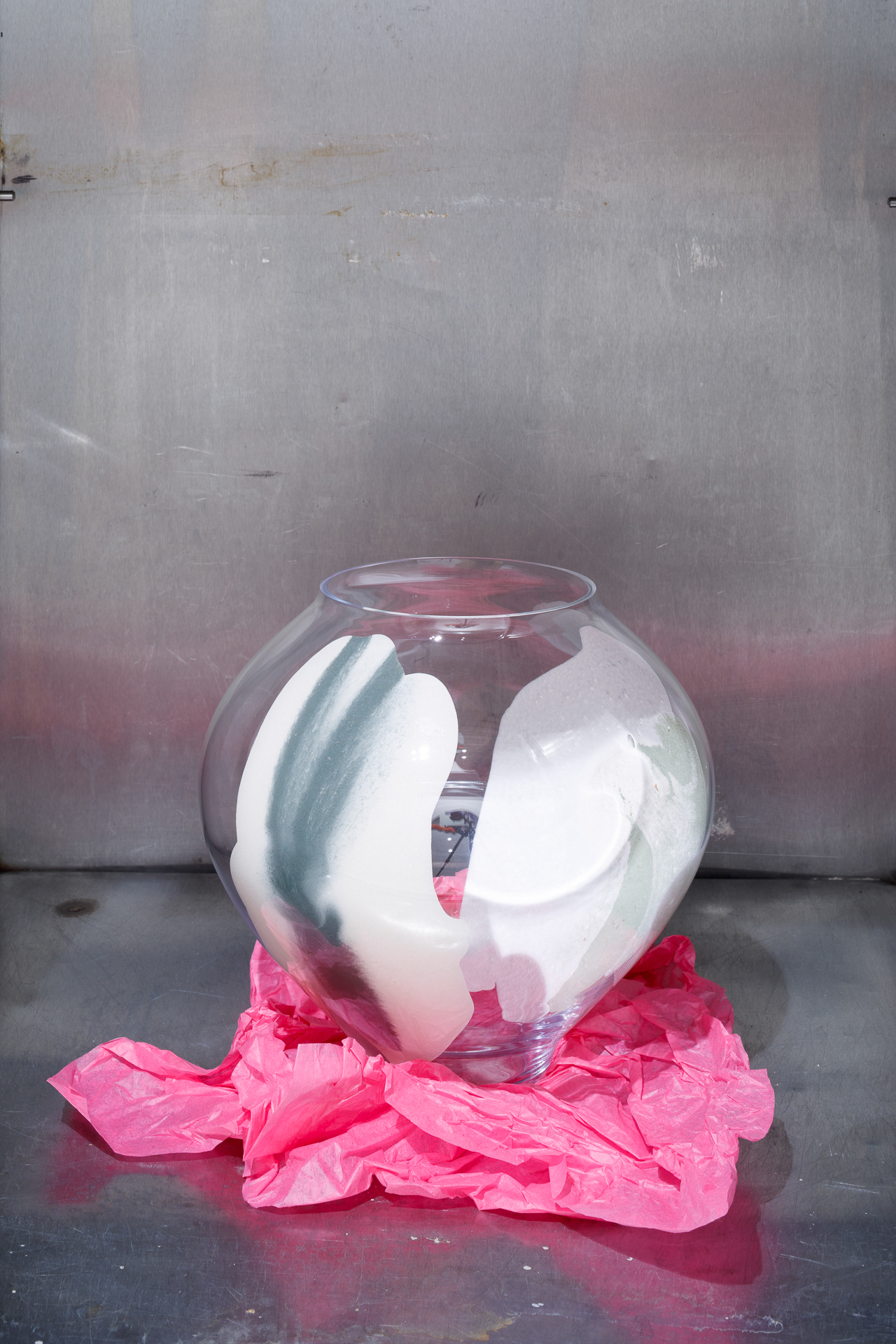
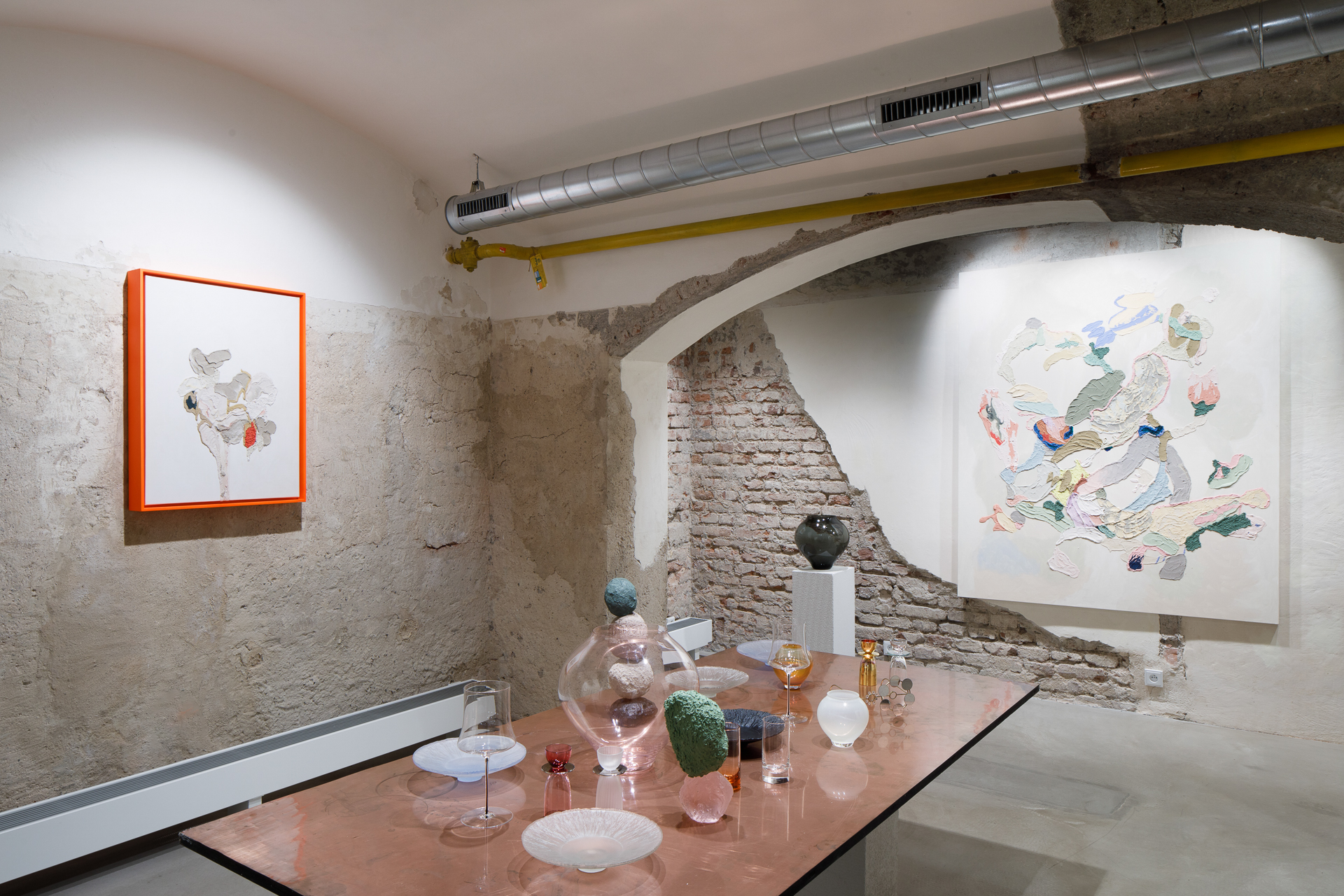
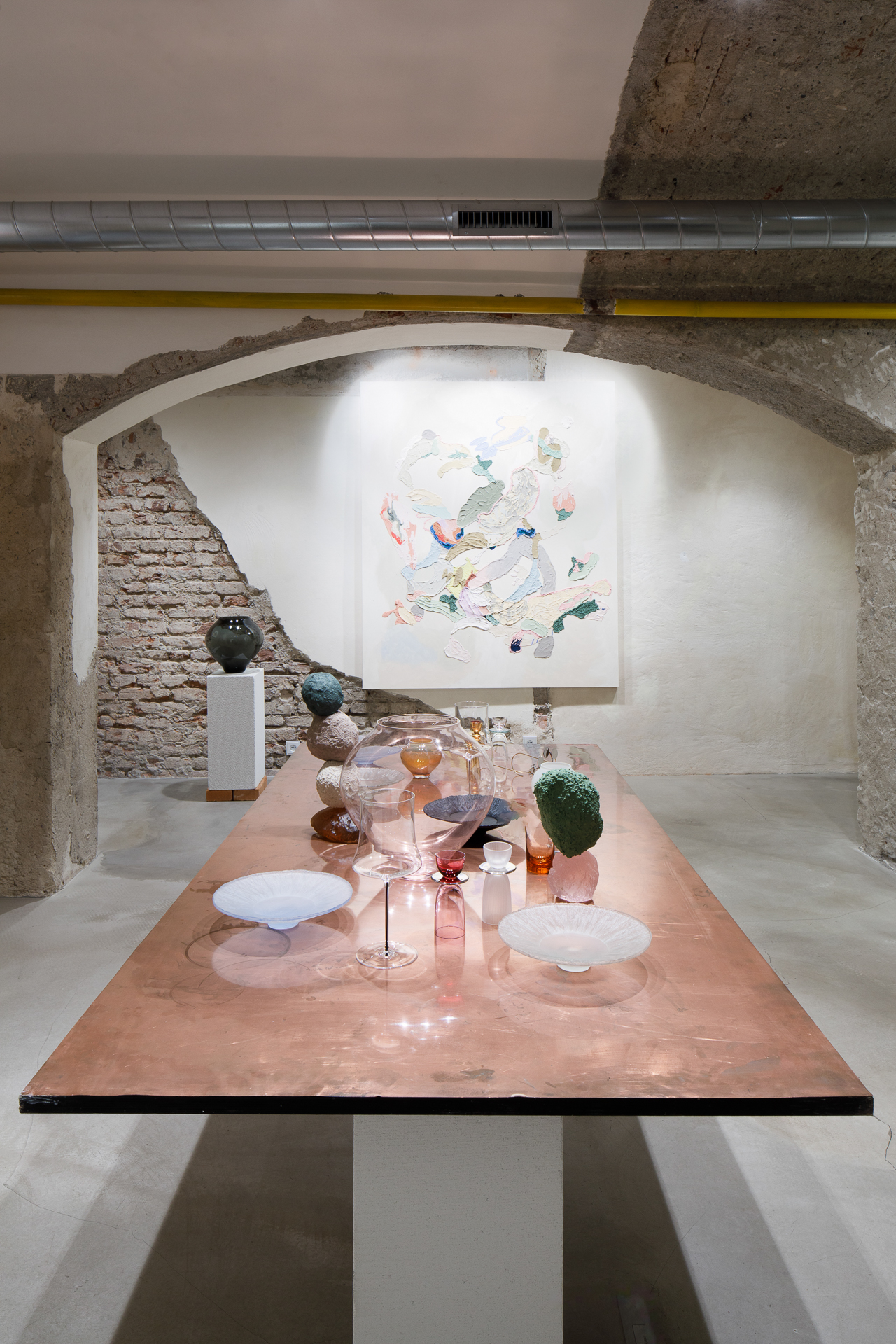
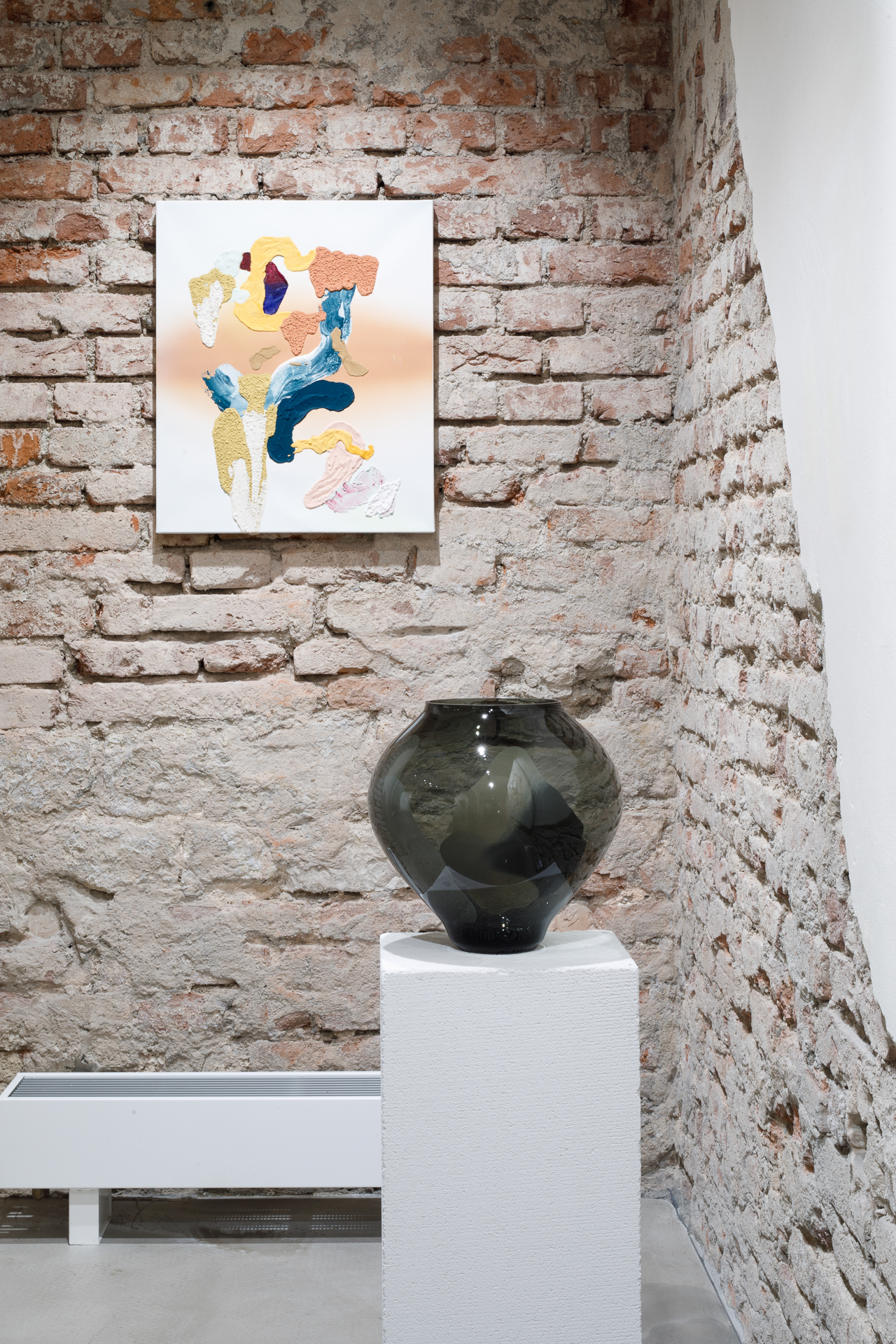
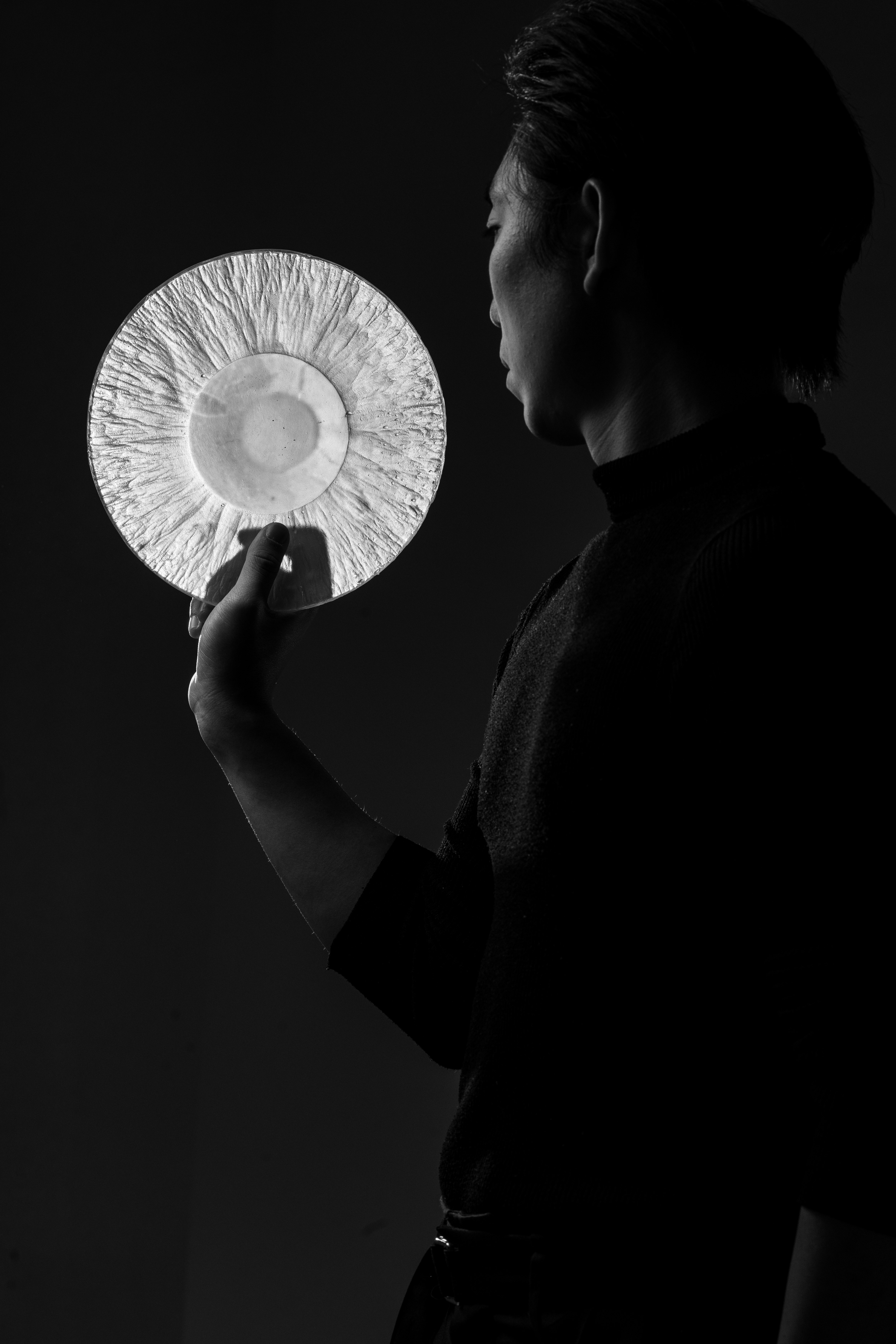
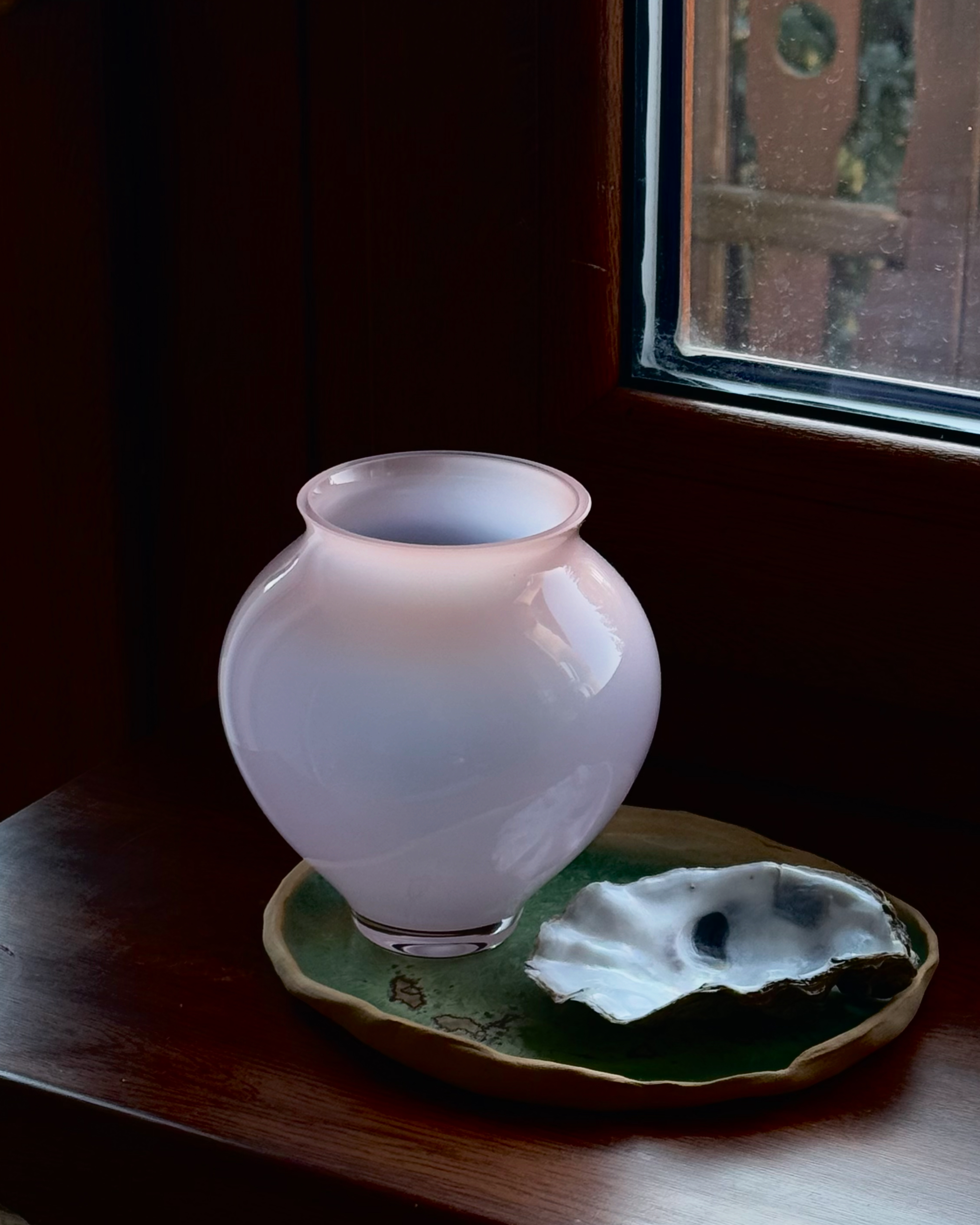
In his work, Byoungchan Yun systematically connects design with cultural memory and the spiritual function of an object. Whether he is creating moonjars from Czech crystal inspired by Korean tradition, everyday objects with a message, or ritual vessels for commemorating the dead, his work is based on a deep respect for the material, tradition, and personal experience.
Explore available works