Néphéli Barbas - portrét
Néphéli BarbasNéphéli BarbasNéphéli BarbasNéphéli BarbasNéphéli Barbas

Néphéli Barbas

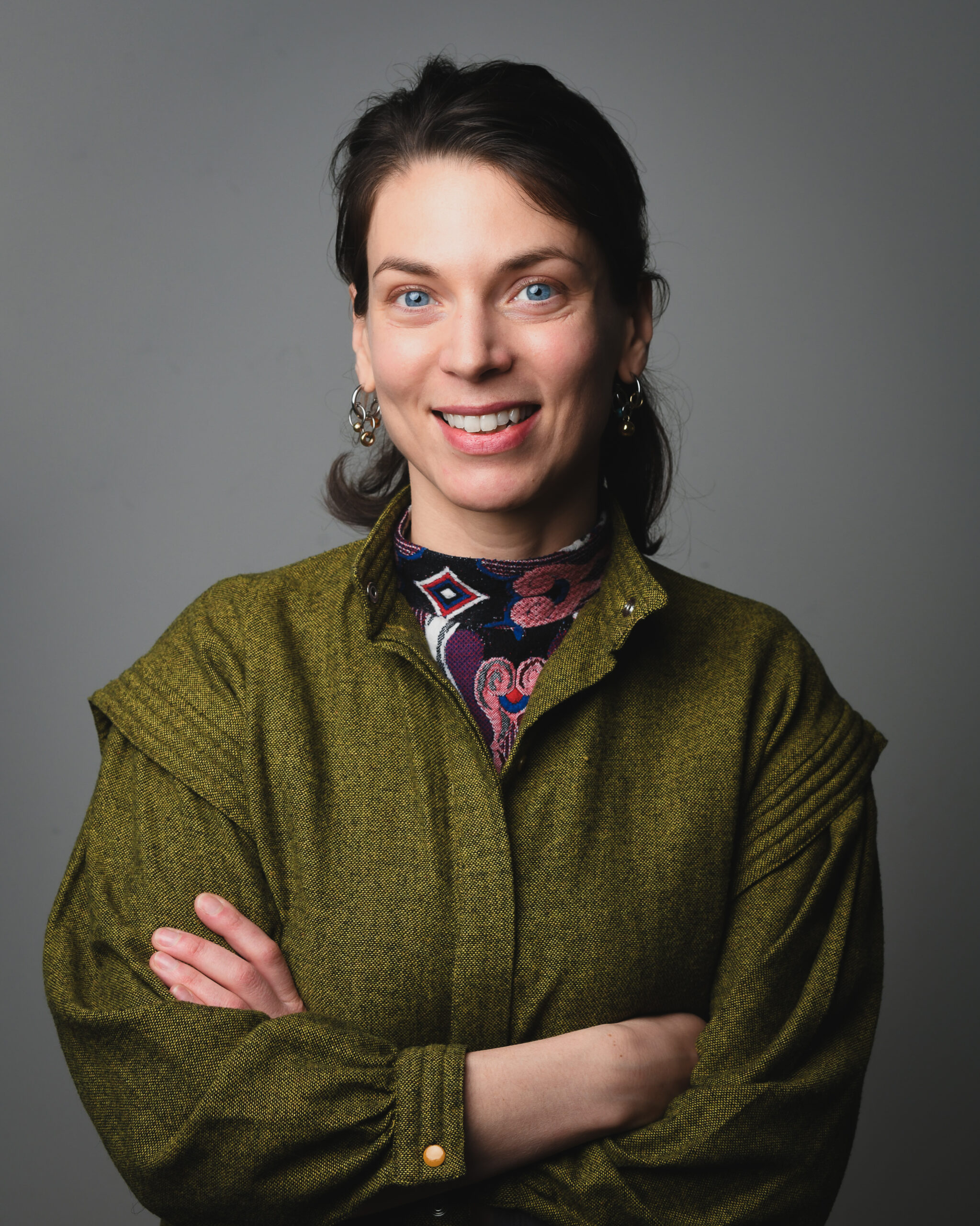
Néphéli Barbas (b. 1990) lives in Prague and works between Prague and Paris. She studied at Villa Arson in Nice, the Royal Academy of Fine Arts in Copenhagen, and the Universidad Torcuato di Tella in Buenos Aires.

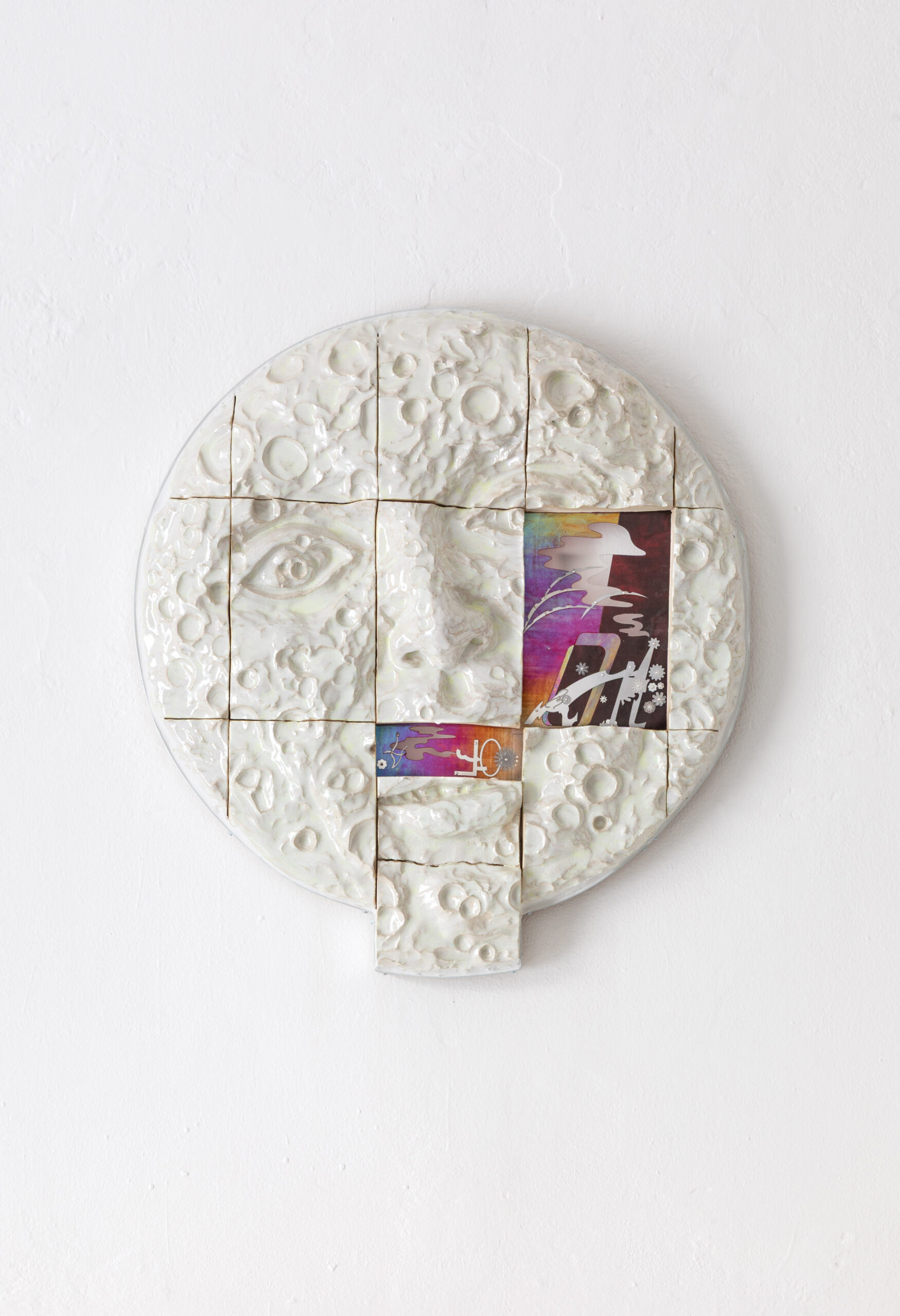
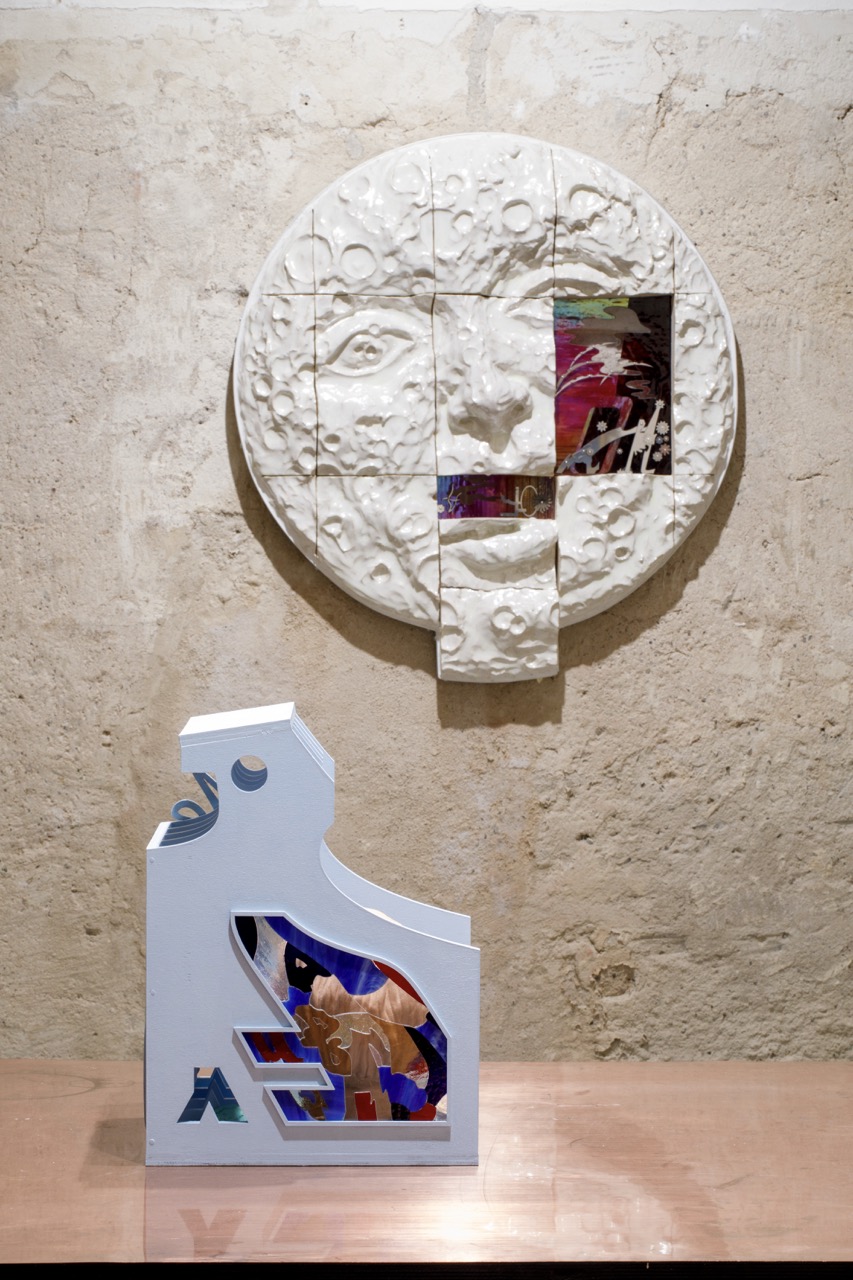
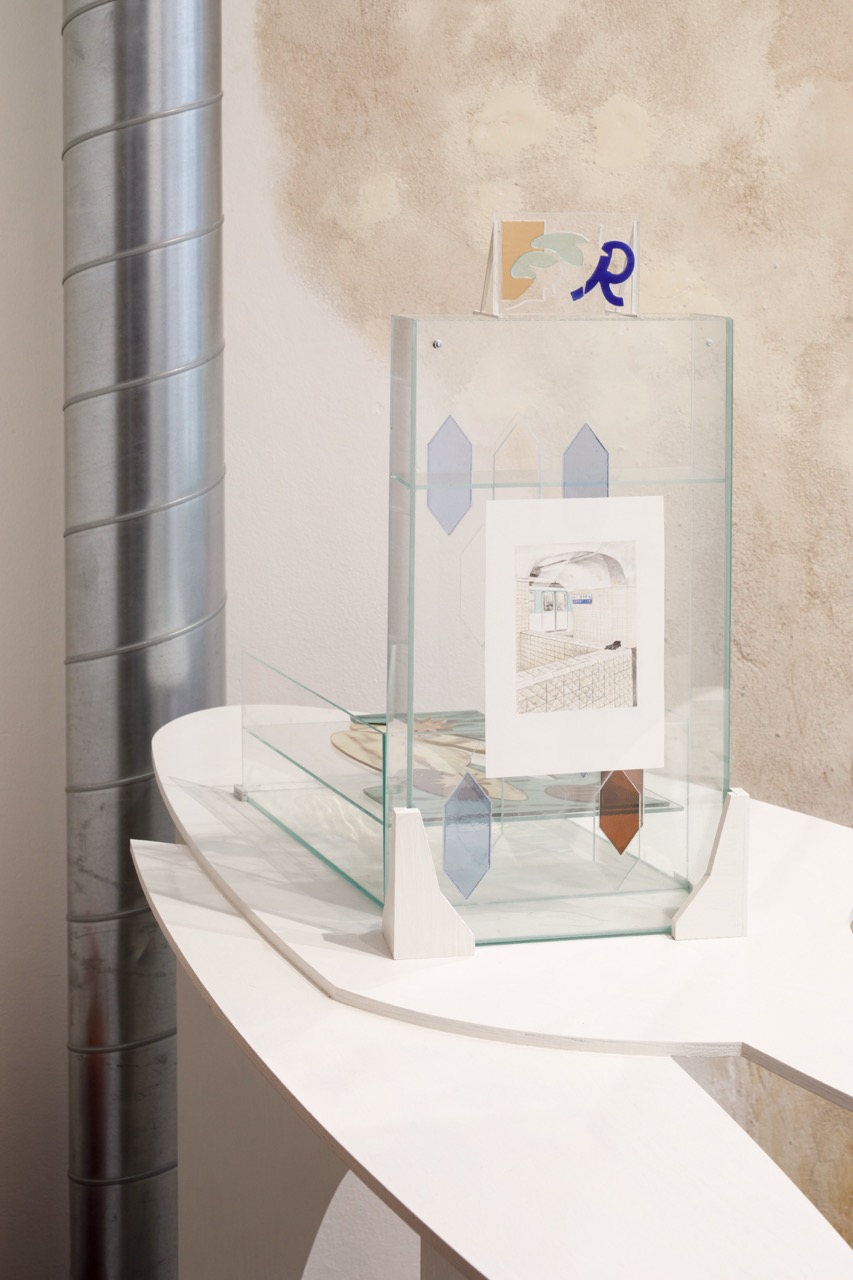
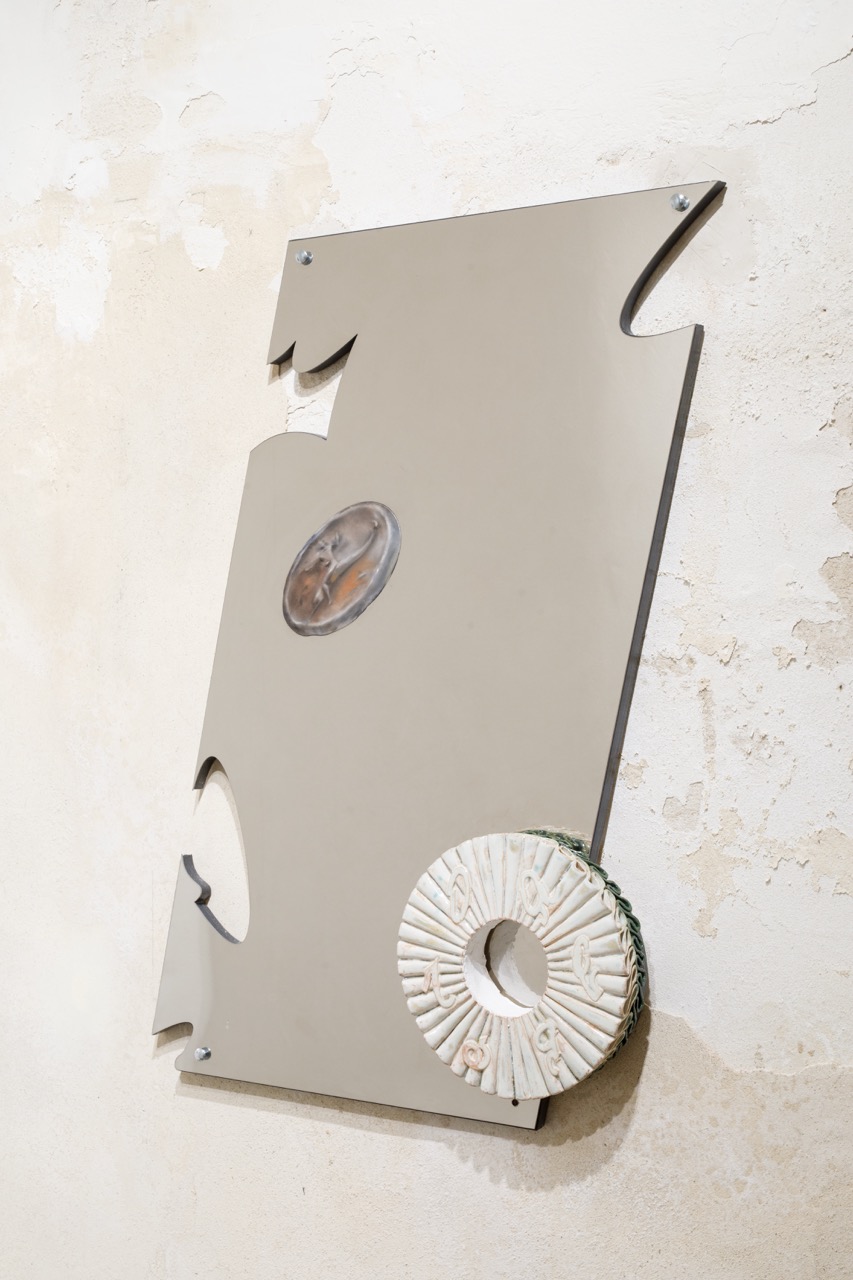
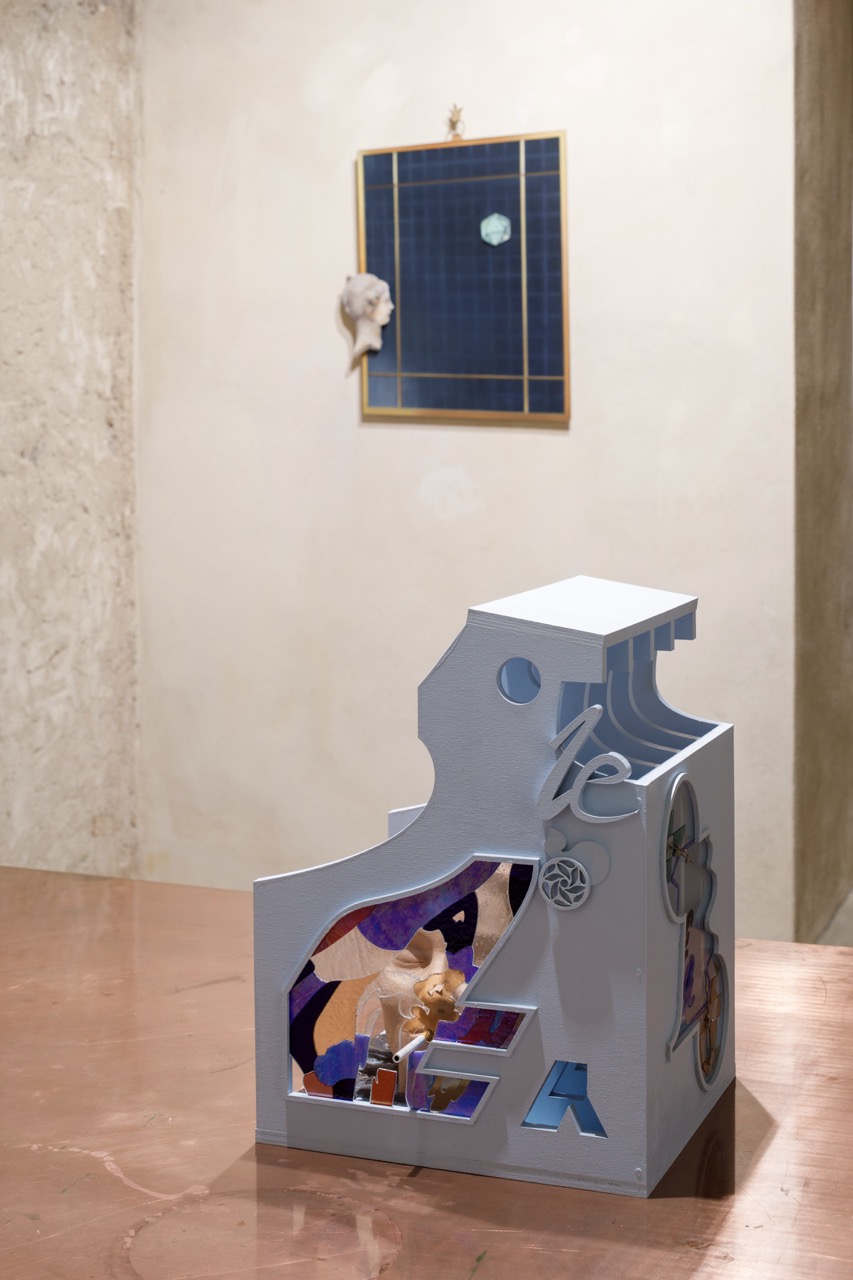
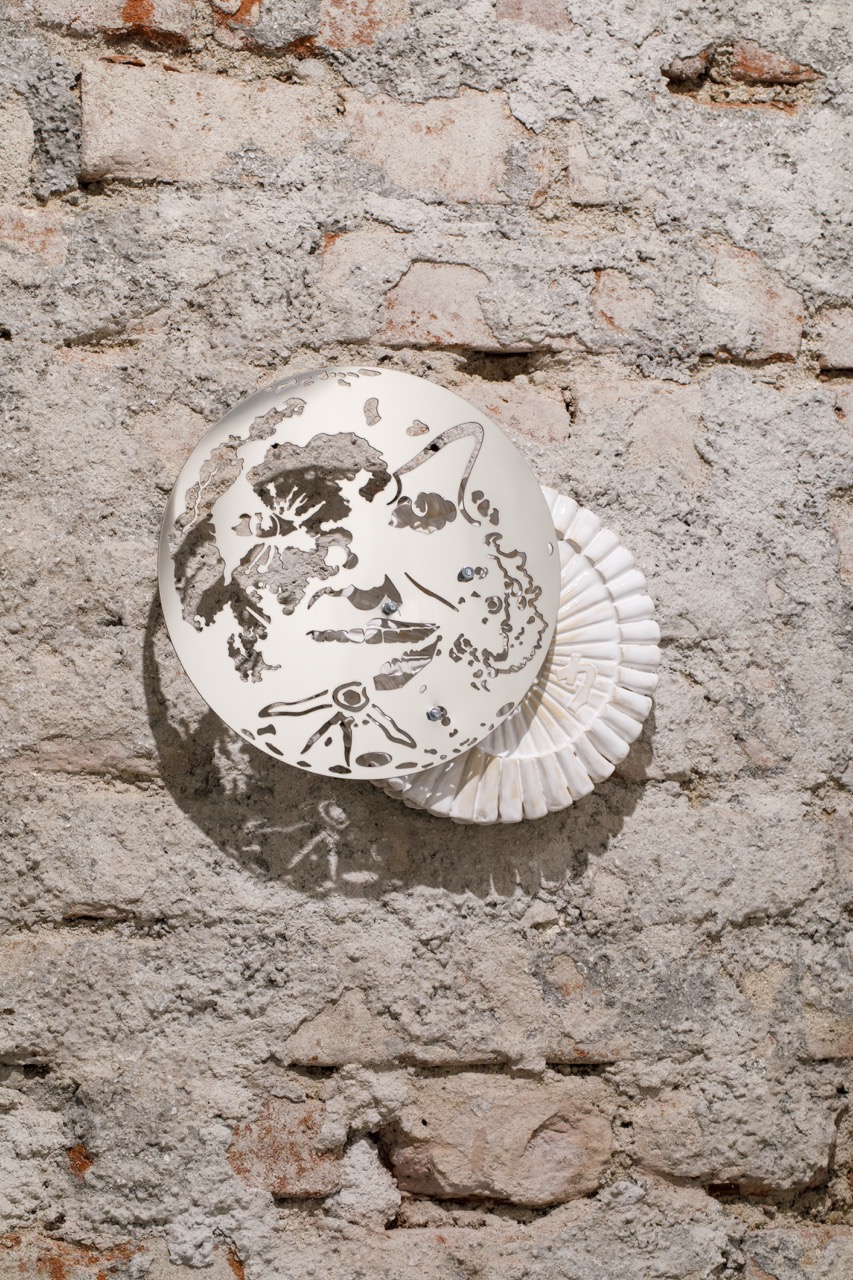
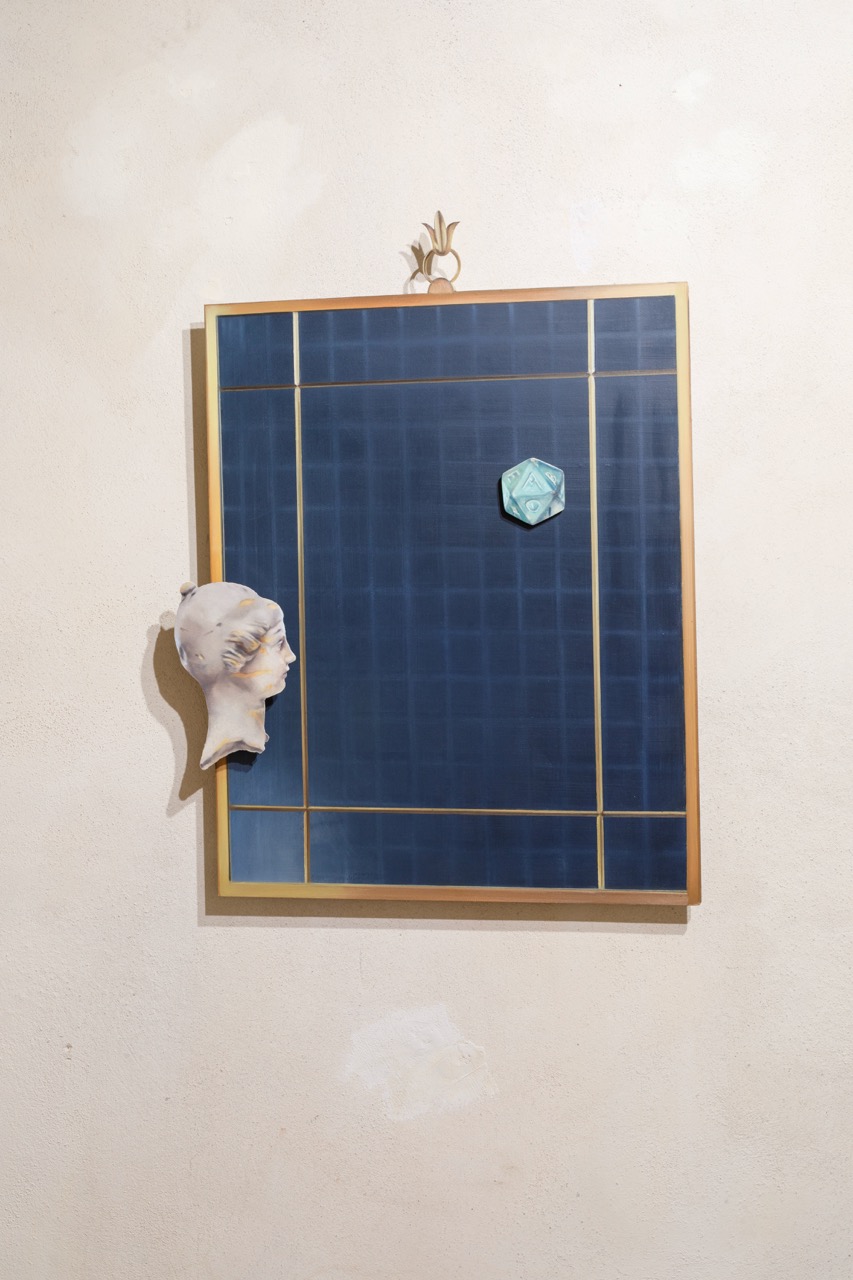
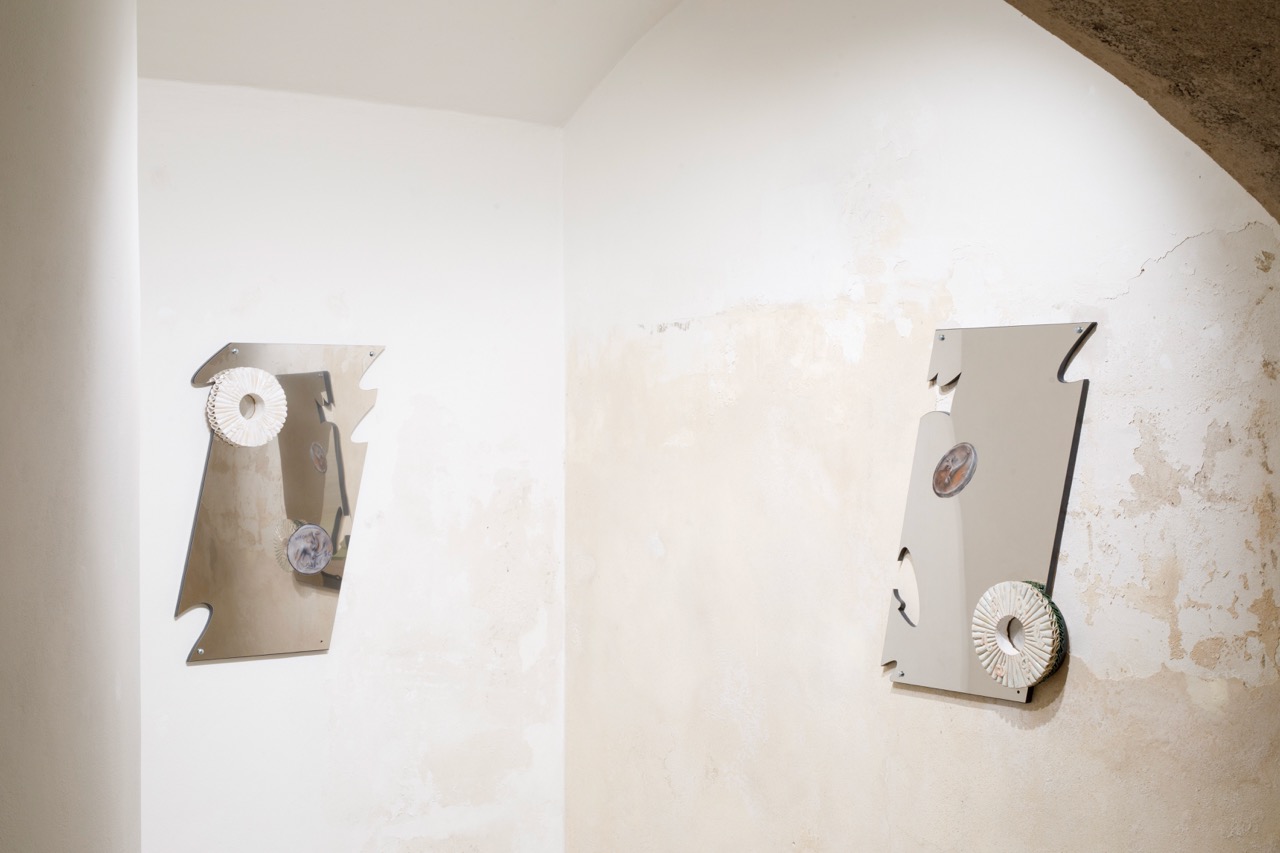
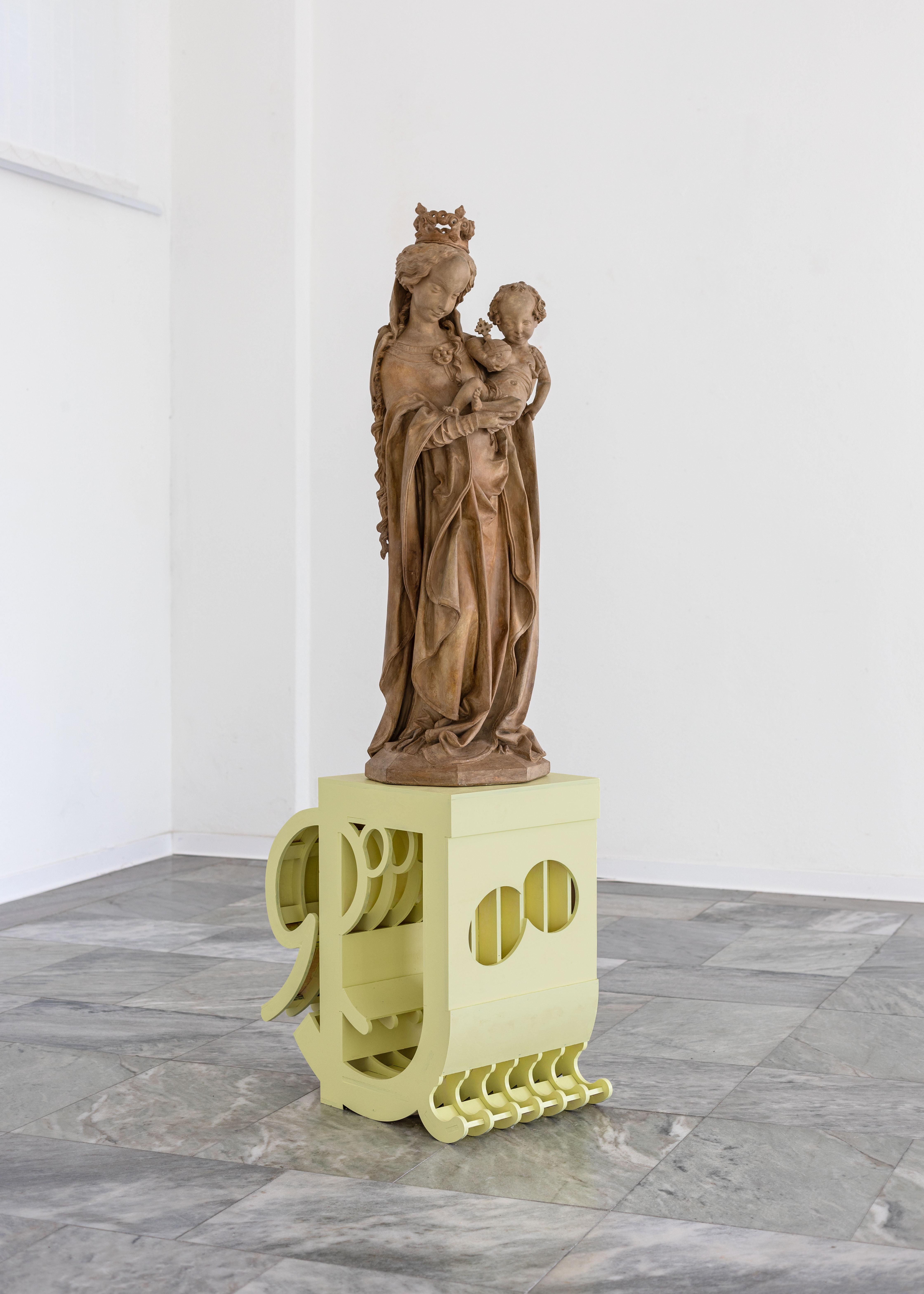
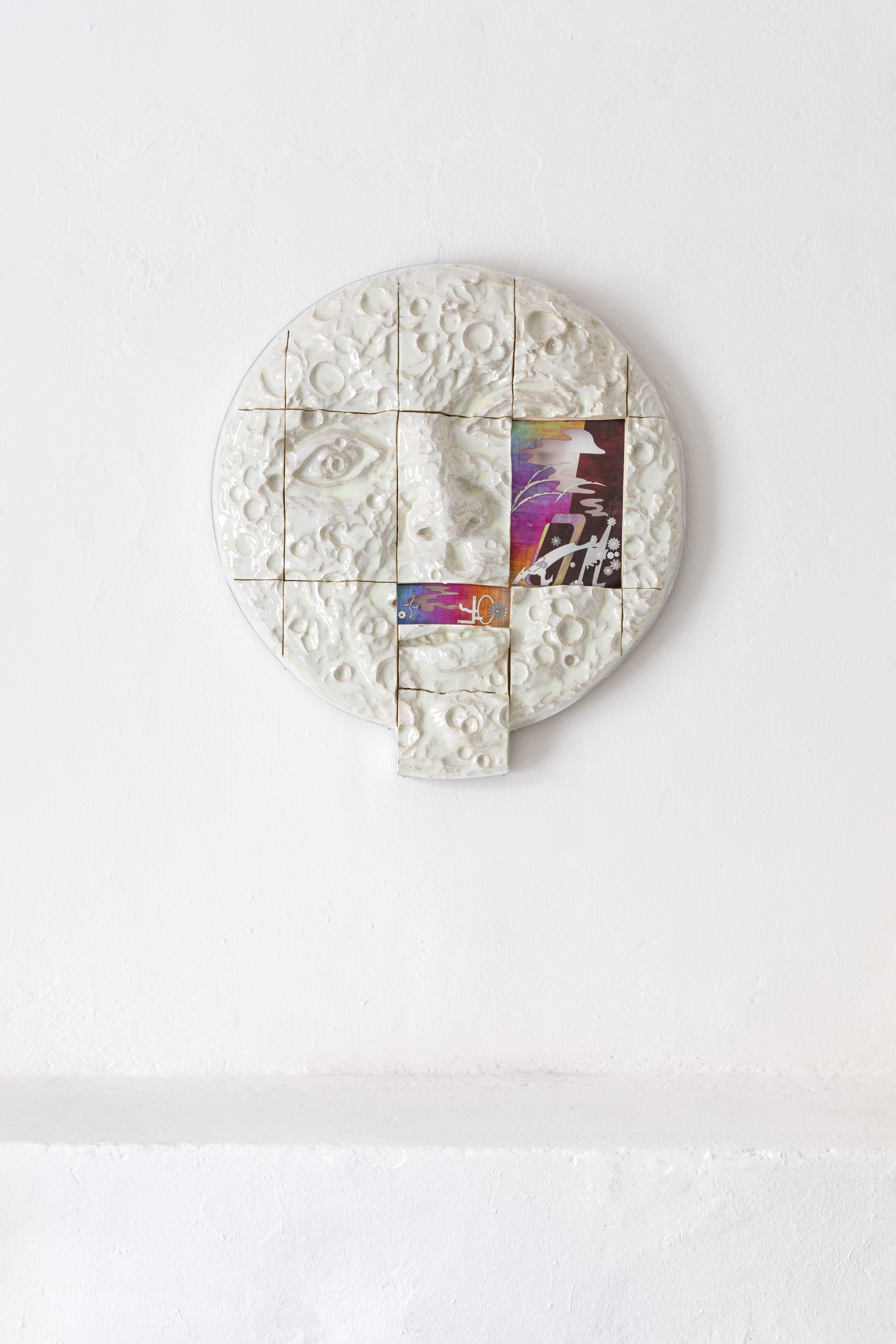
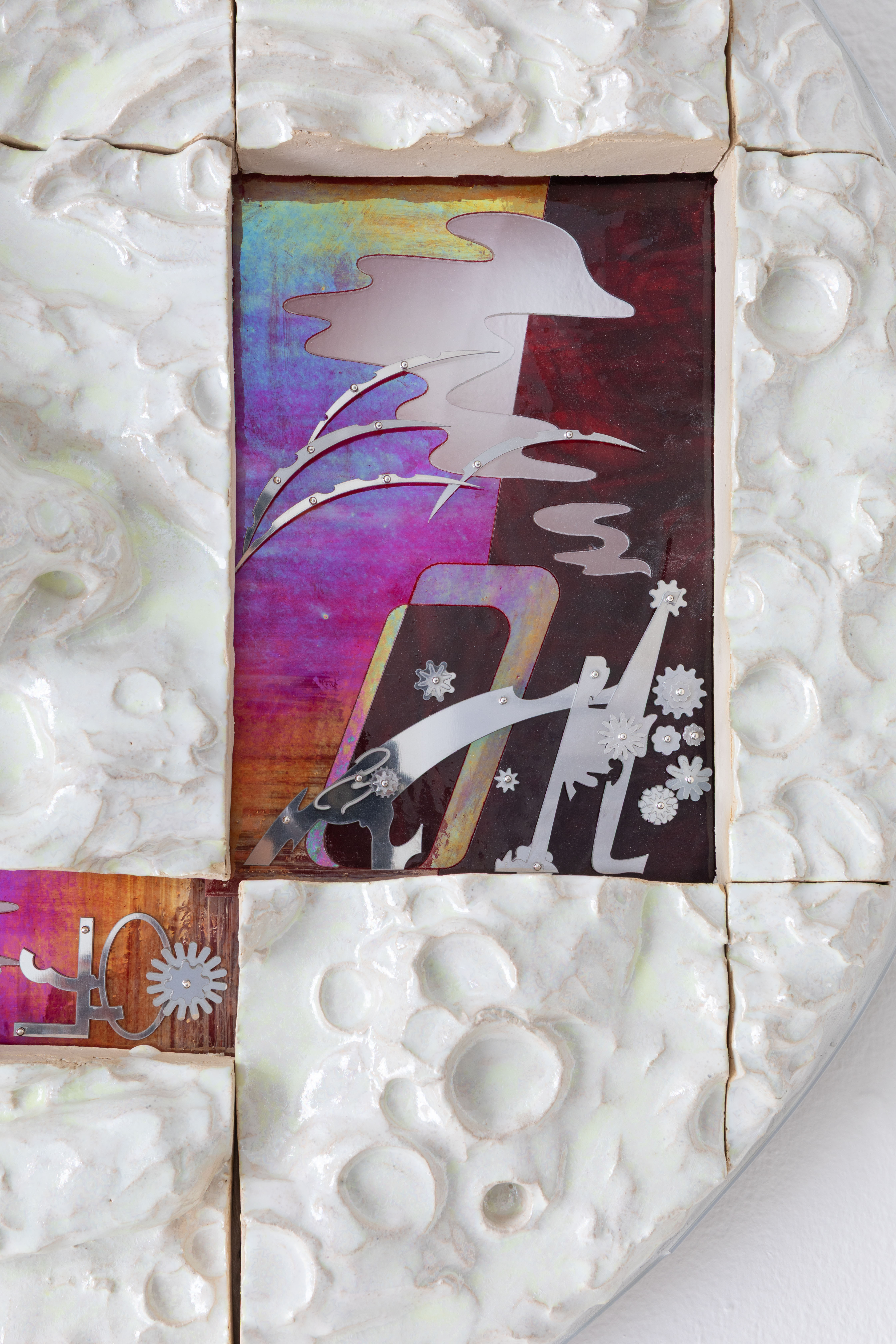
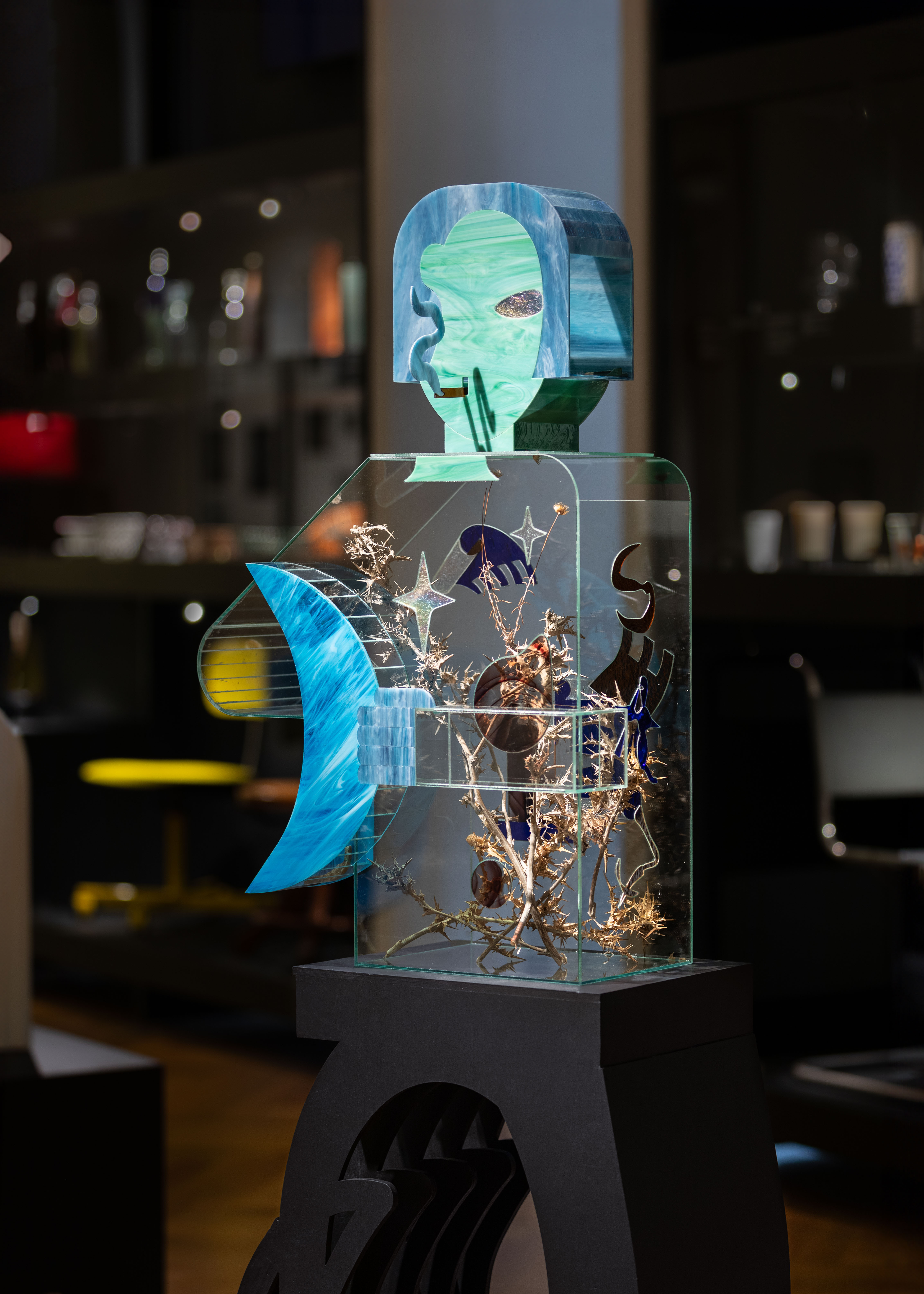
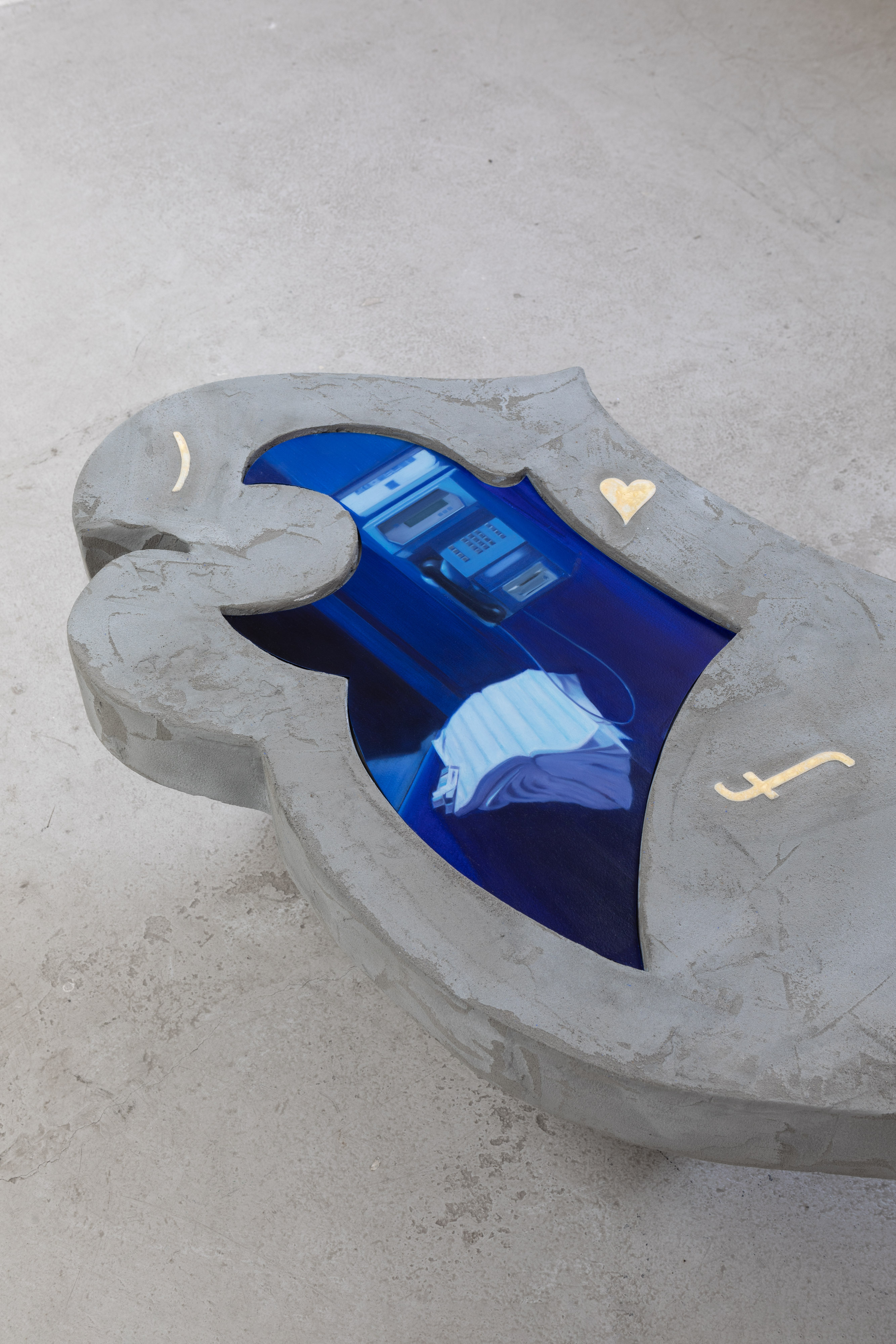
She is interested in the inconspicuous, often overlooked details of the landscape and space—anonymous forms that she transforms, through shifts in scale and tone, into installations and sculptures oriented toward the viewer’s physical perception. Her work disrupts the linear understanding of time: an imaginary journey between places, layers of memory, and cultural contexts connects the past and the present without a fixed beginning or end. She has completed residencies in Vienna (Vienna Art Week 2024), Karlovy Vary, France, and Denmark. She recently exhibited at the BBB Art Center in Toulouse, the Museum of Decorative Arts in Prague (2024), the Fait Gallery in Brno (2023), and the Berlínská model Gallery in Prague (2023).

Artist's exhibitions

Apollo’s Tropic

Néphéli BarbasMartin HeroldNéphéli BarbasNéphéli BarbasMartin HeroldMartin HeroldMartin Herold
May. 15, 2026 - Oct. 11, 2026
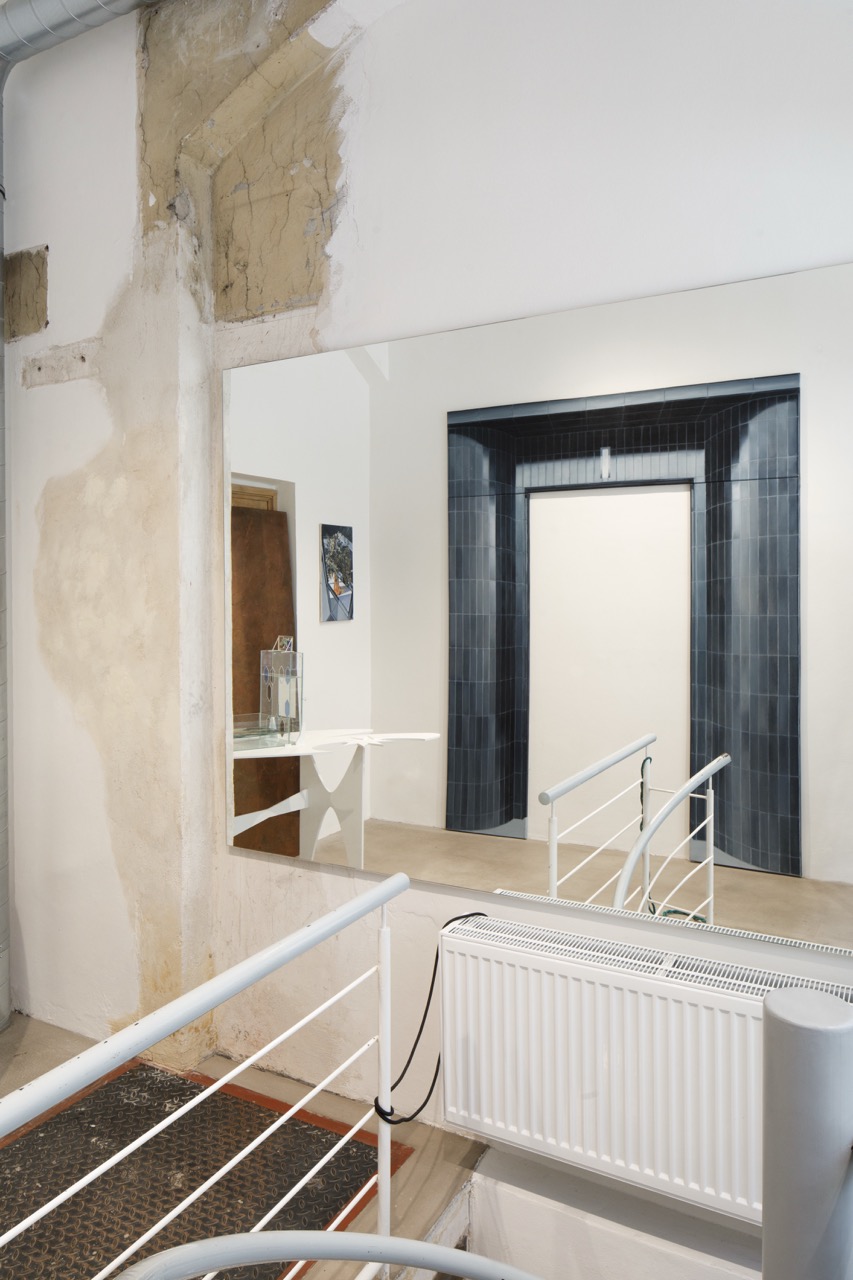
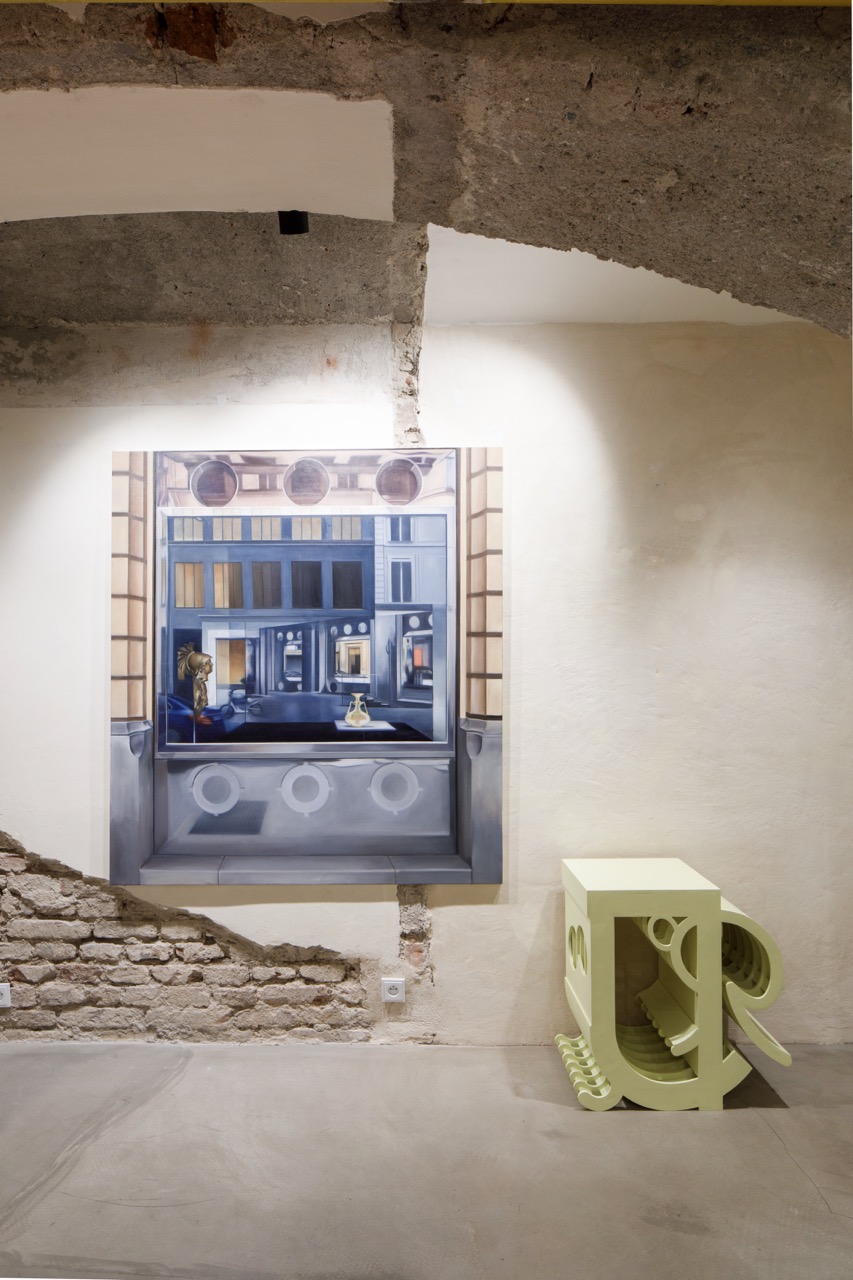
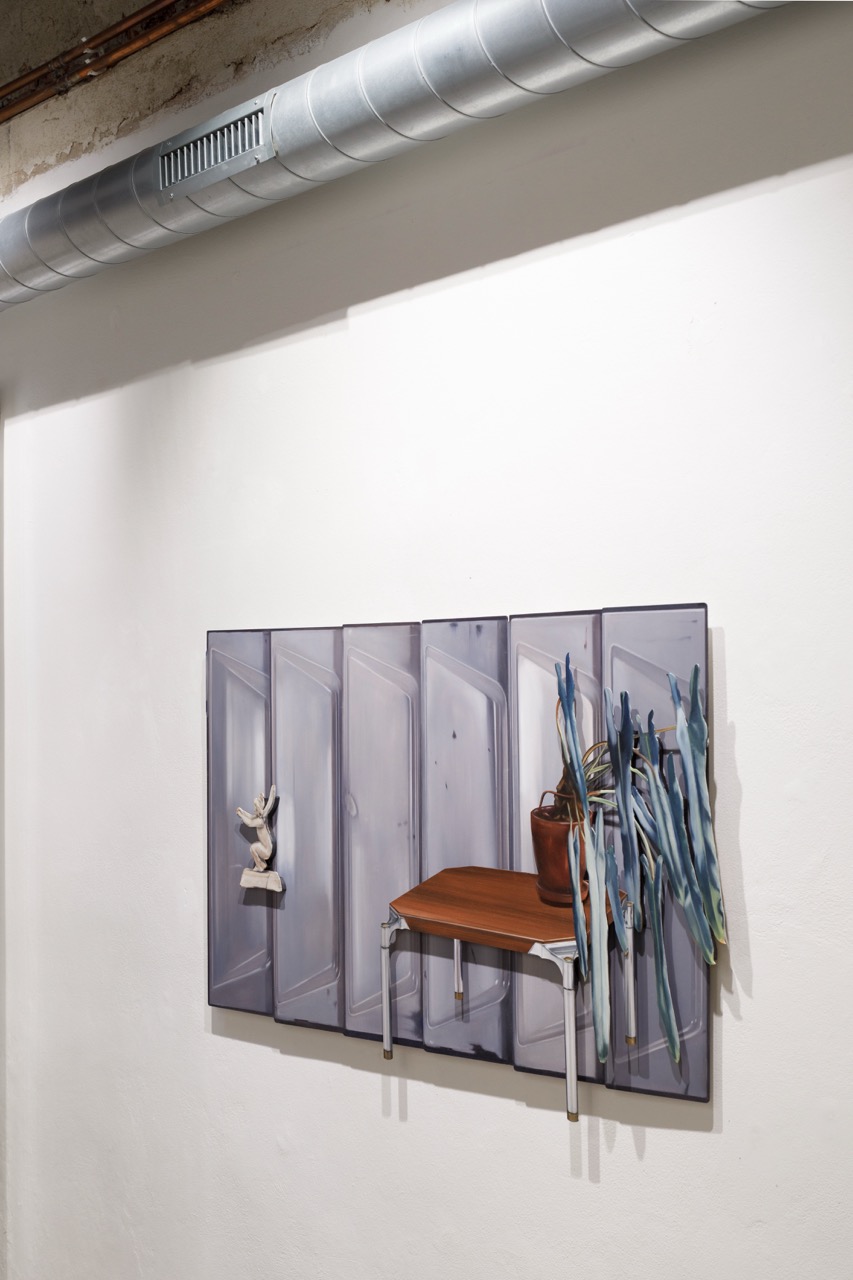
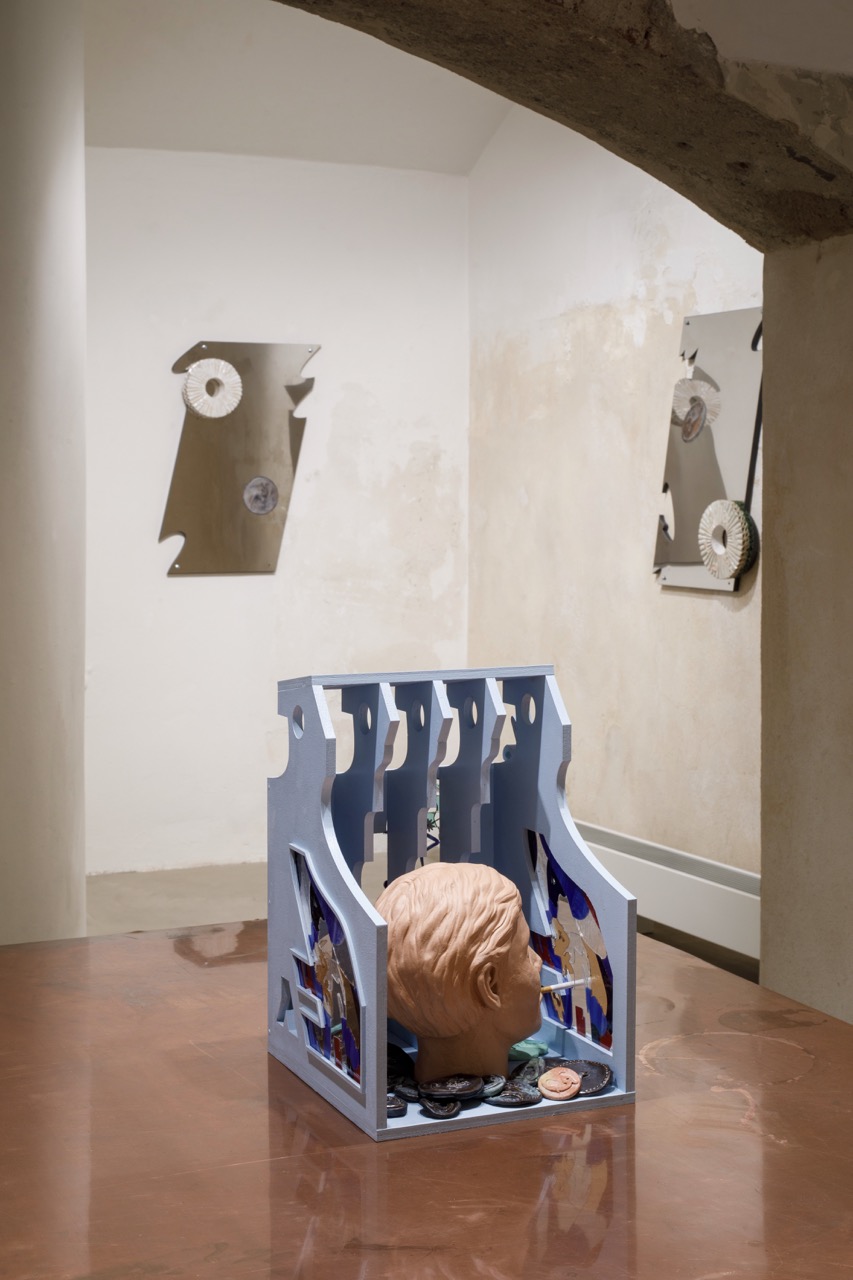
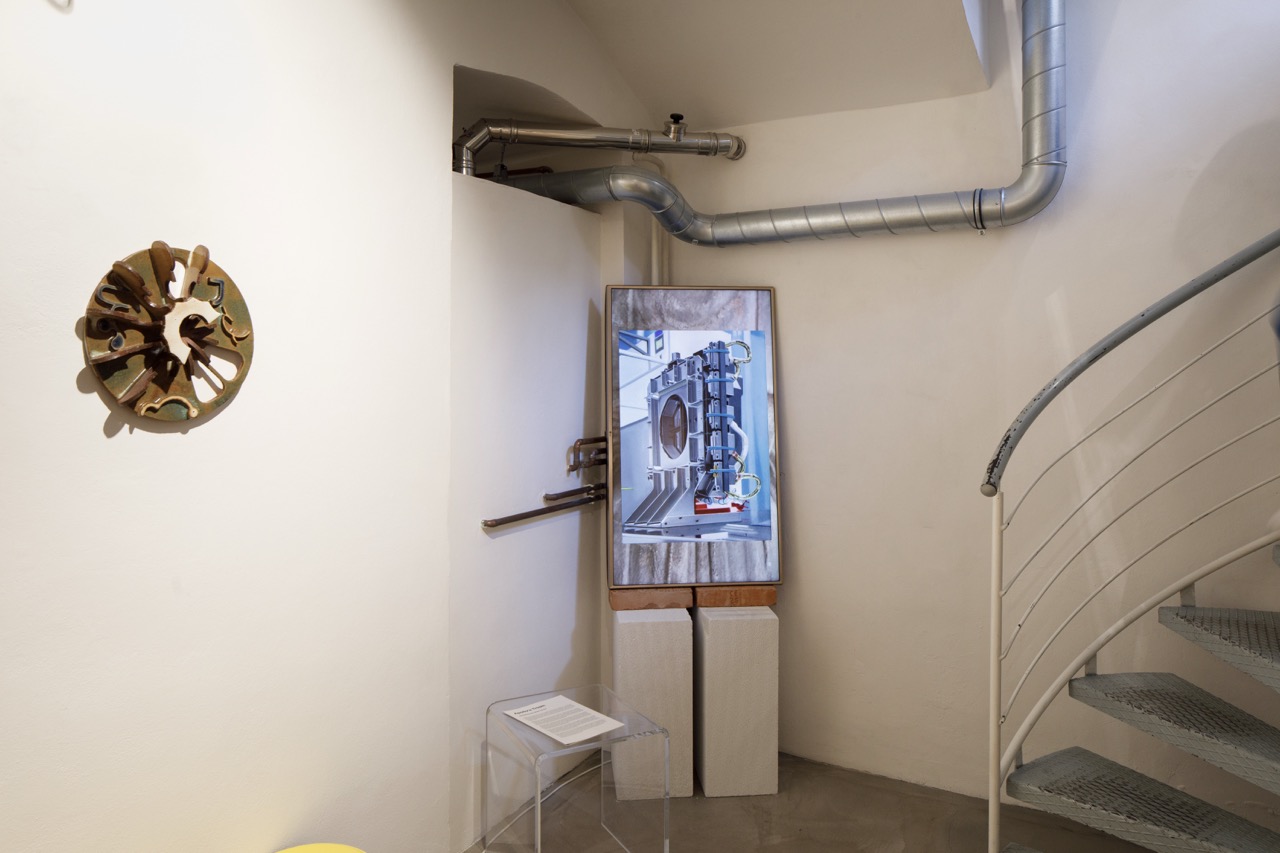
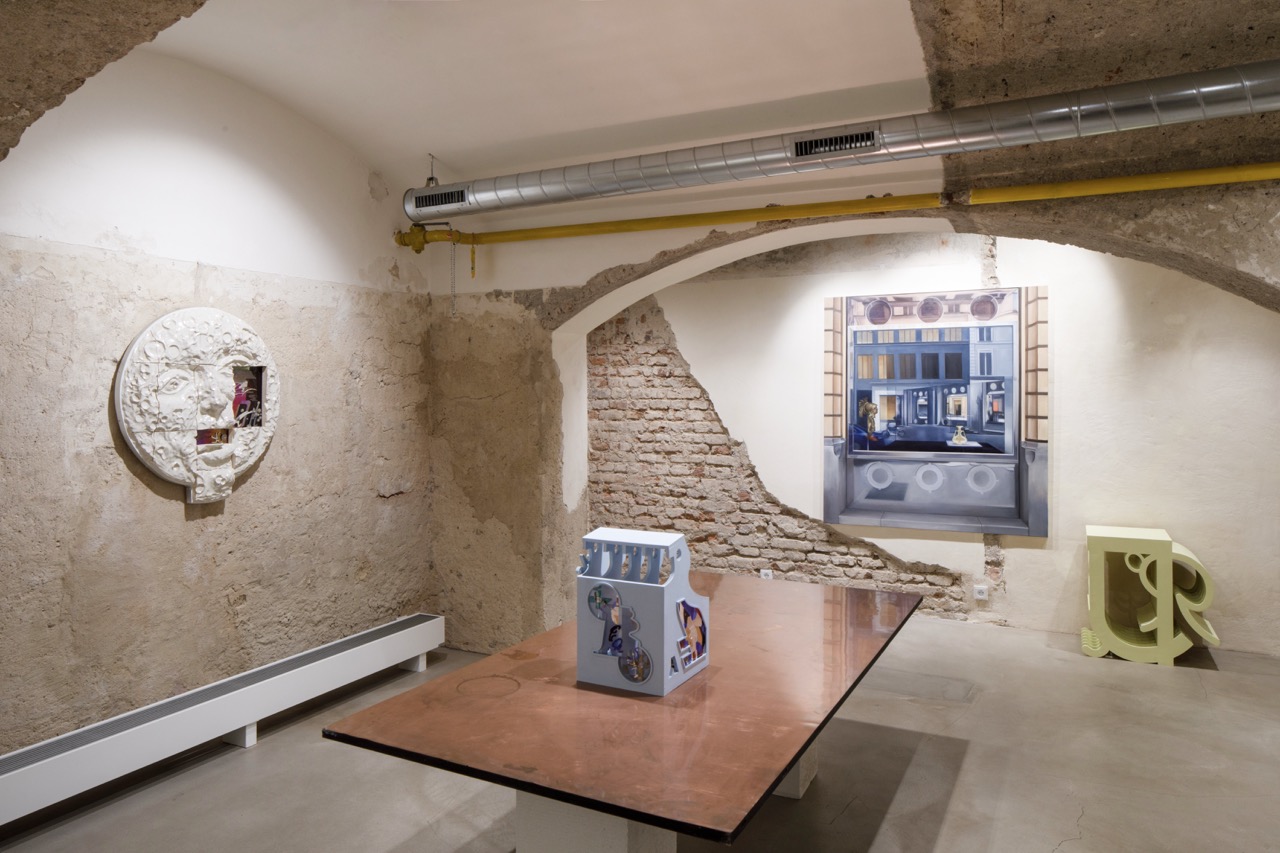
Apollo’s Tropic is an exhibition that emerged from a journey between Prague, Paris, and Athens.

Néphéli Barbas and Martin Herold explore architecture as a living archive: they interpret facades, ornaments, and traces of everyday use as places where time accumulates and rewrites itself. Their works—paintings, objects, and spatial installations—emerge through a process of give-and-take: the image responds to the object, the structure encounters its own disruption, and one approach triggers another. No form stabilizes permanently. The key to interpreting the exhibition is Miller’s Tropic of Cancer, not as a literary reference, but as a mode of movement through space: fragmentary, intermittent, constantly returning to places we have already seen but do not recognize. Apollo does not enter this world as a figure of harmony, but as a reminder that transformation need not mean loss—it can be a way to survive.