
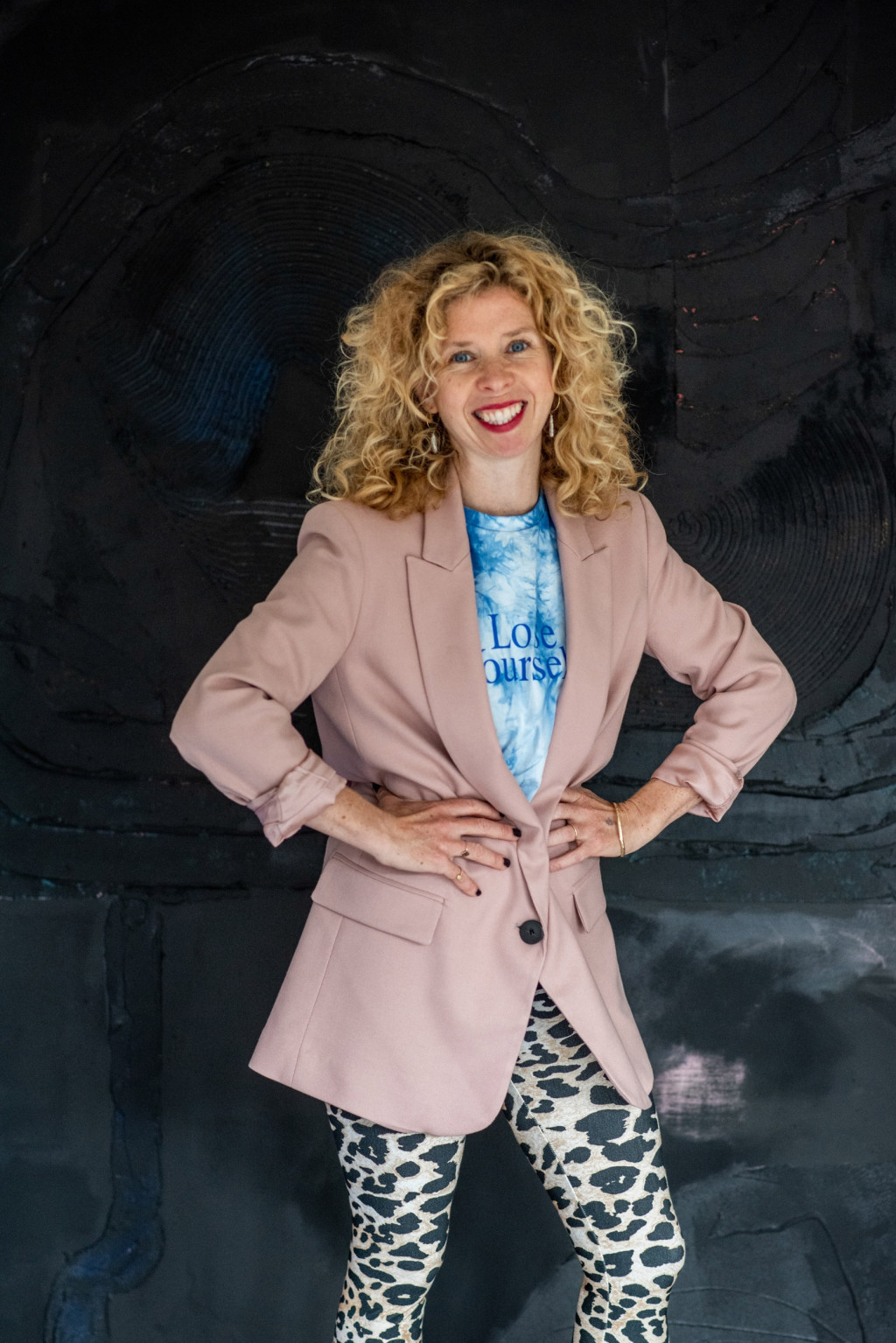
Lucie Jindrák Skřivánková
She studied painting at the Academy of Fine Arts in Prague and at the Royal Institute of Art in Stockholm. In her work, she combines traditional craft techniques with new media and an emphasis on the haptic quality of materials. Color, texture, and light become tools for spatial thinking and emotional resonance in her works.
Her work has been presented in gallery contexts in Germany, South Korea, Sweden, and Brazil, and has gained recognition not only on the domestic scene, but also in international exhibitions and collaborations with Czech Centers in London, Rome, Milan, and São Paulo. She won the Elle Decoration International Design Awards (2021) for her original tapestry.
In addition to her independent work, she also collaborates on interdisciplinary projects, such as those within the M.P.K.J.V.L.J.S. collective, which combines original design, ceramics, and light objects. These works have been included in the offerings of prestigious galleries such as Rossana Orlandi in Milan and Philia Gallery in New York.
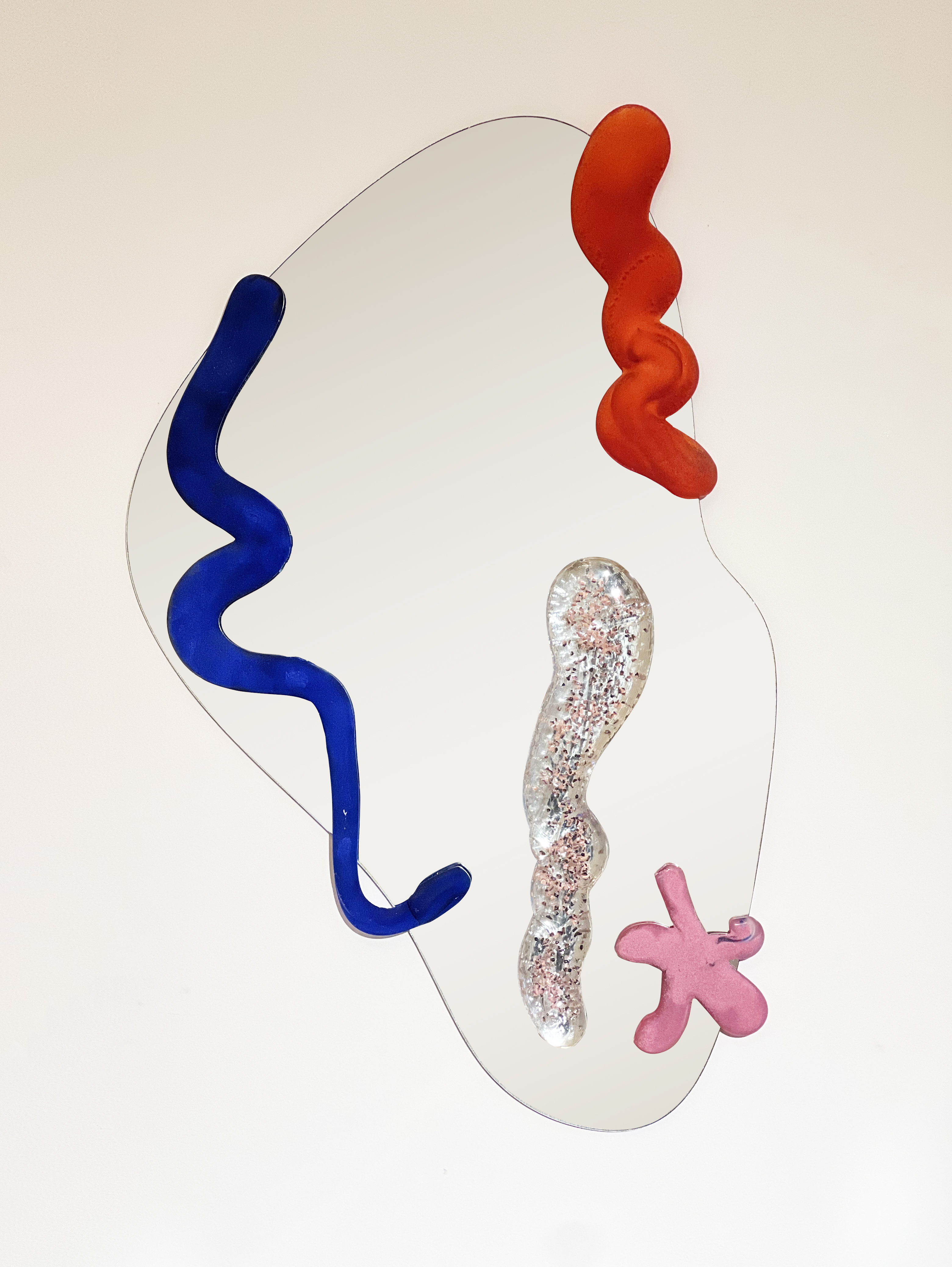
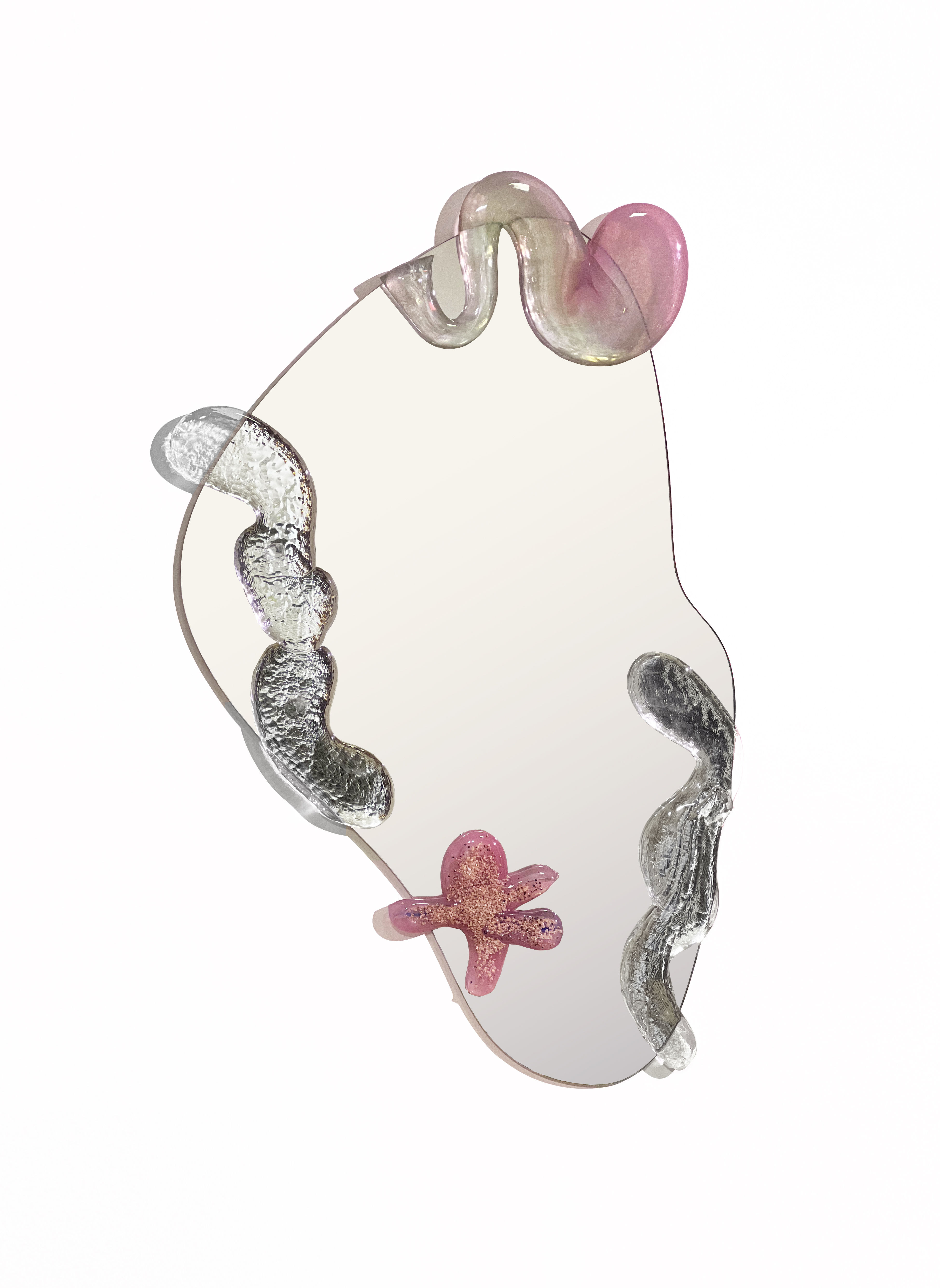
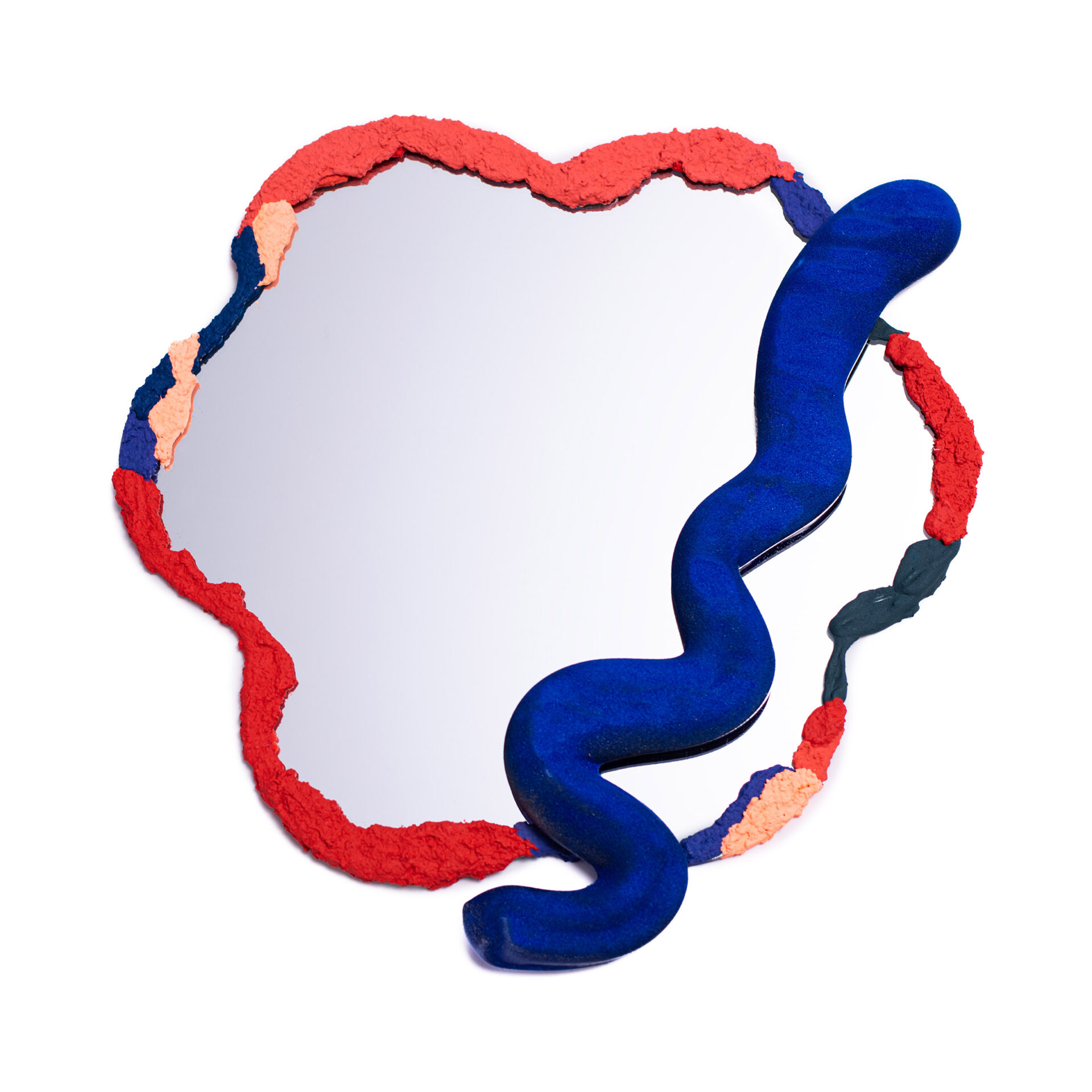
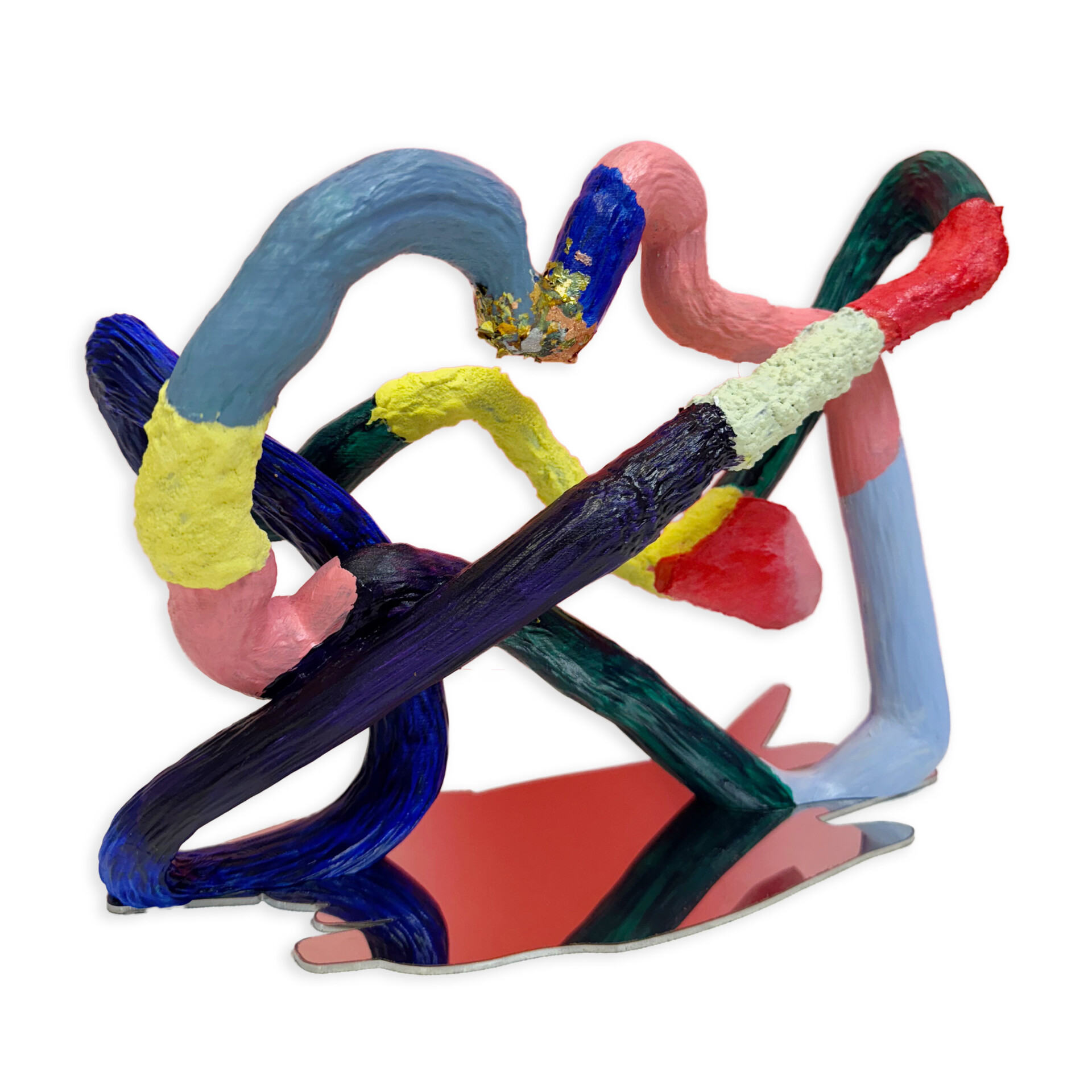
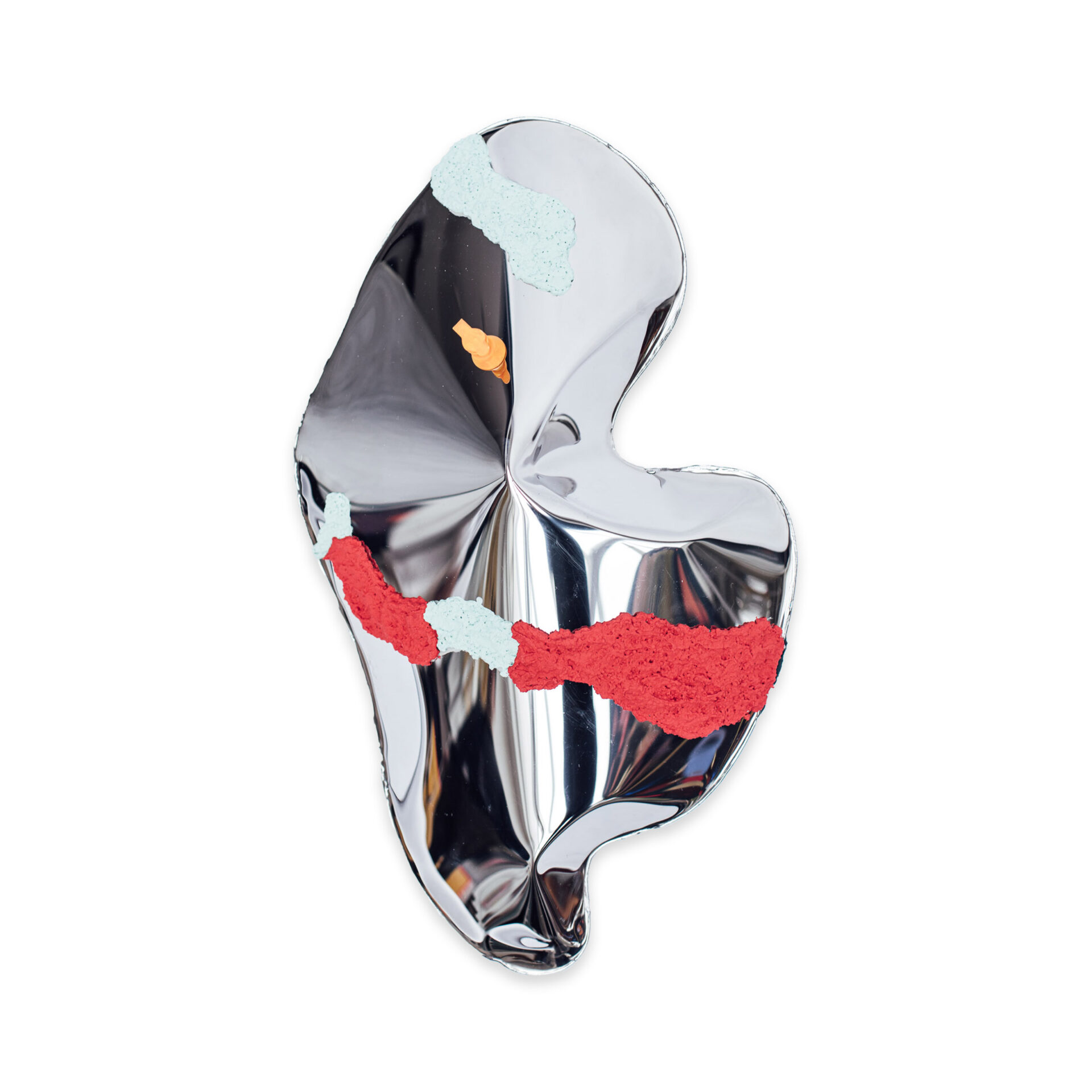
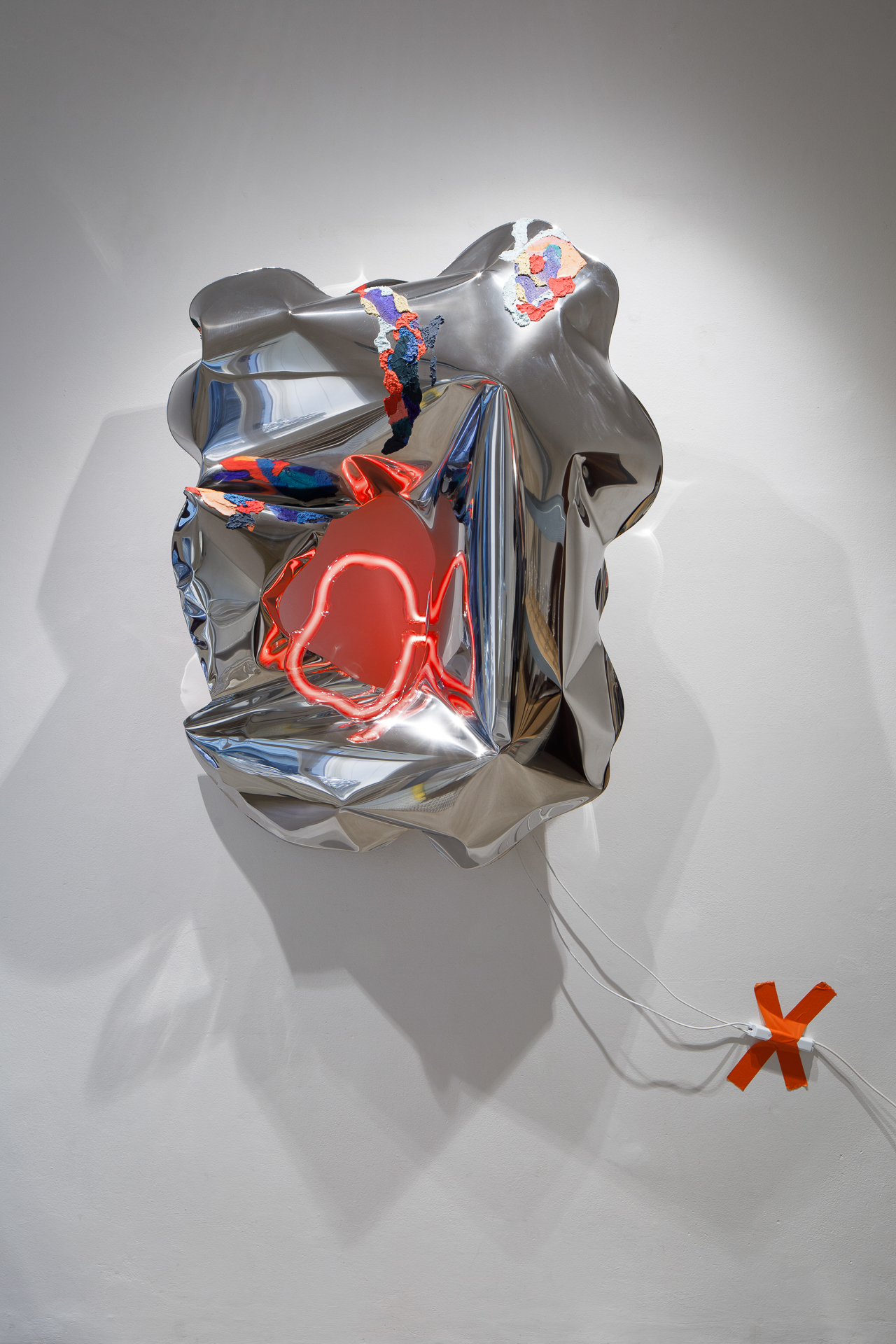
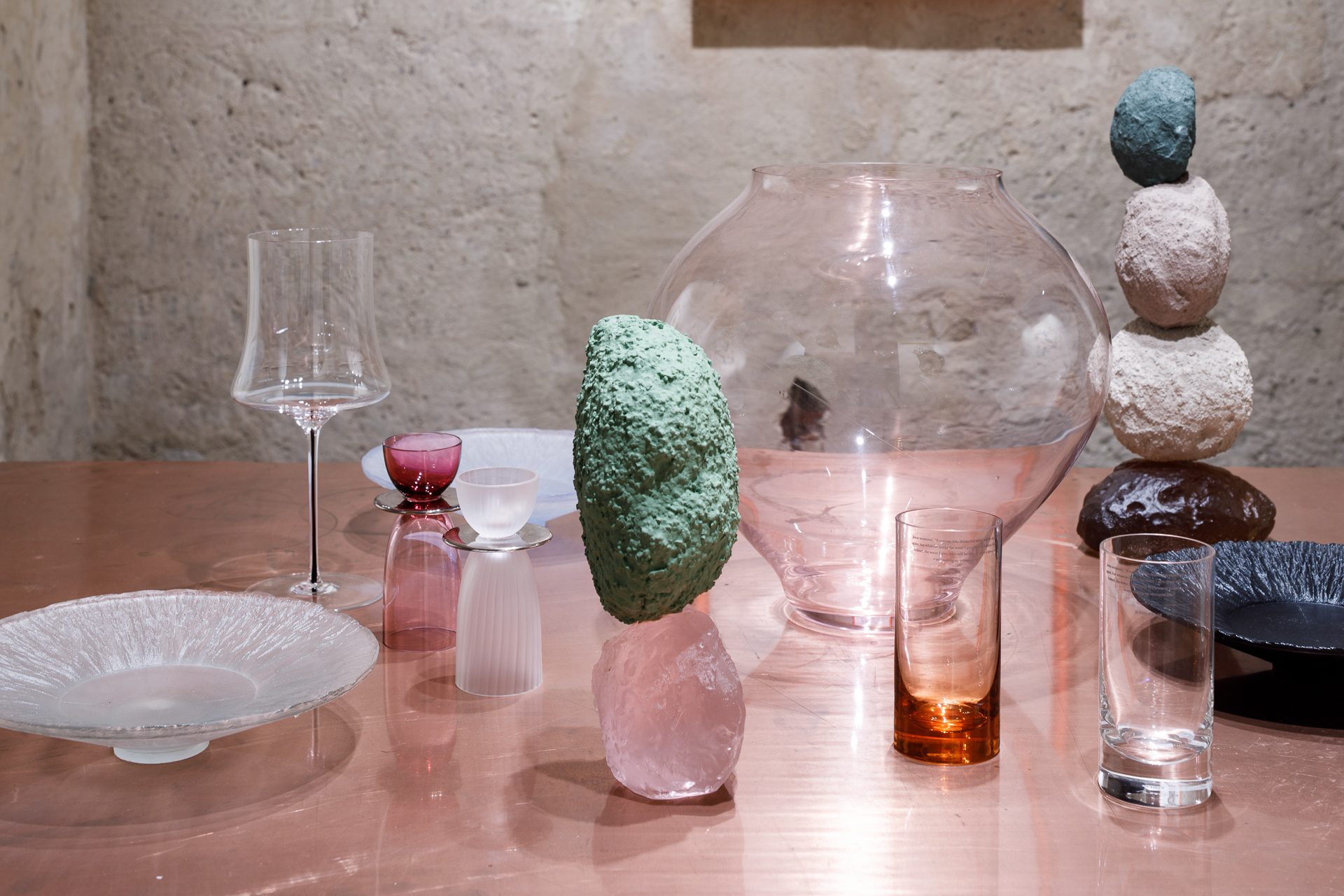
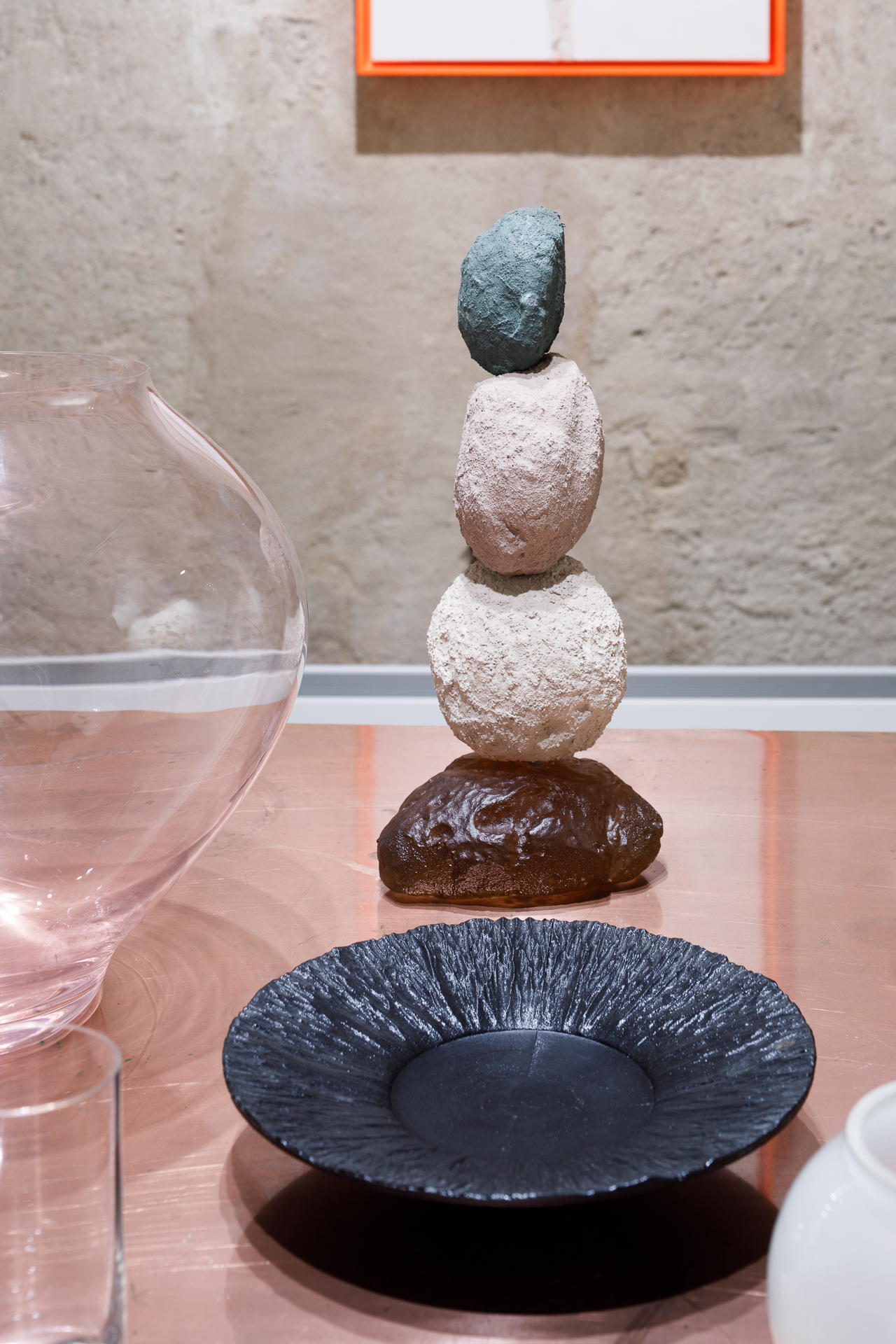
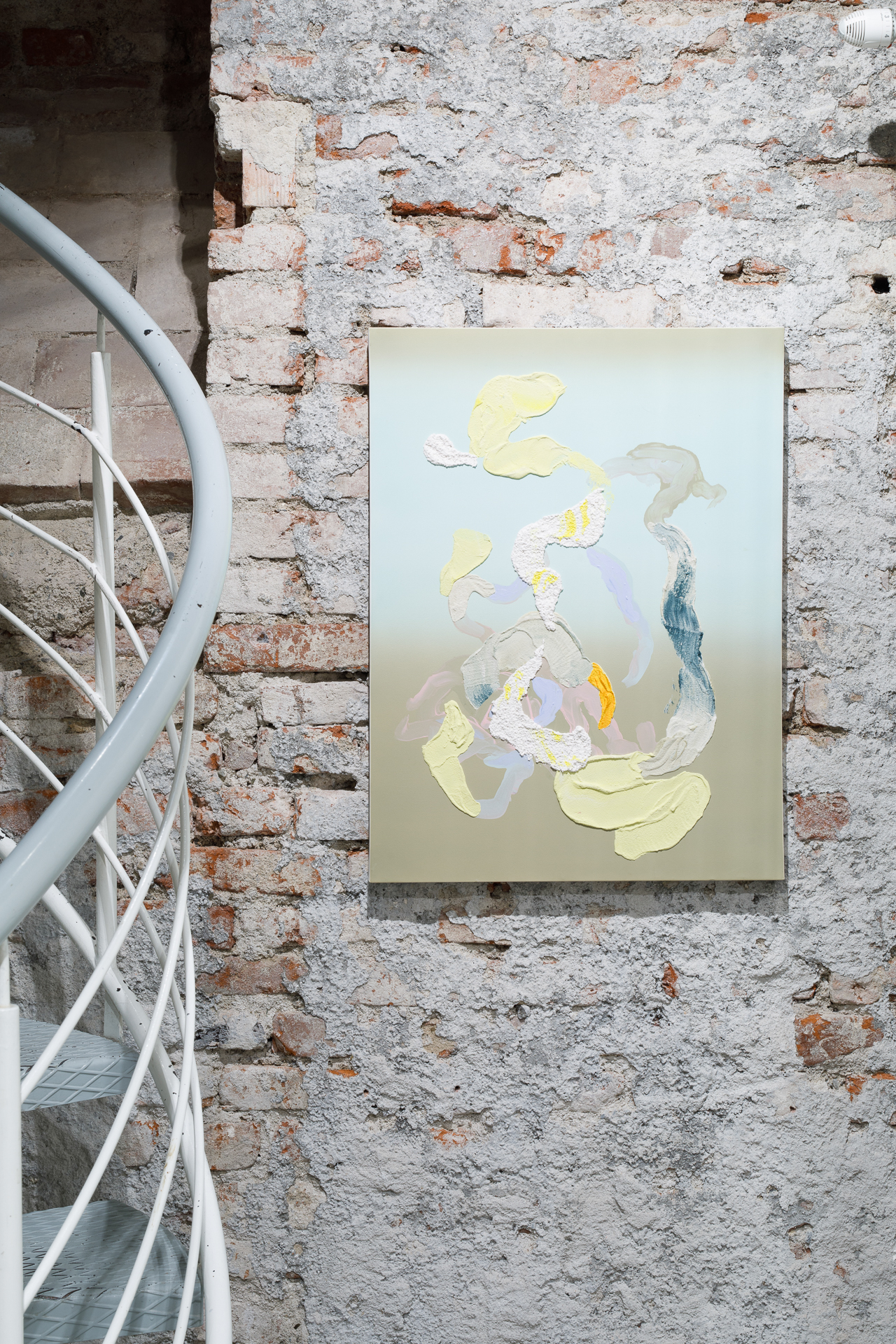
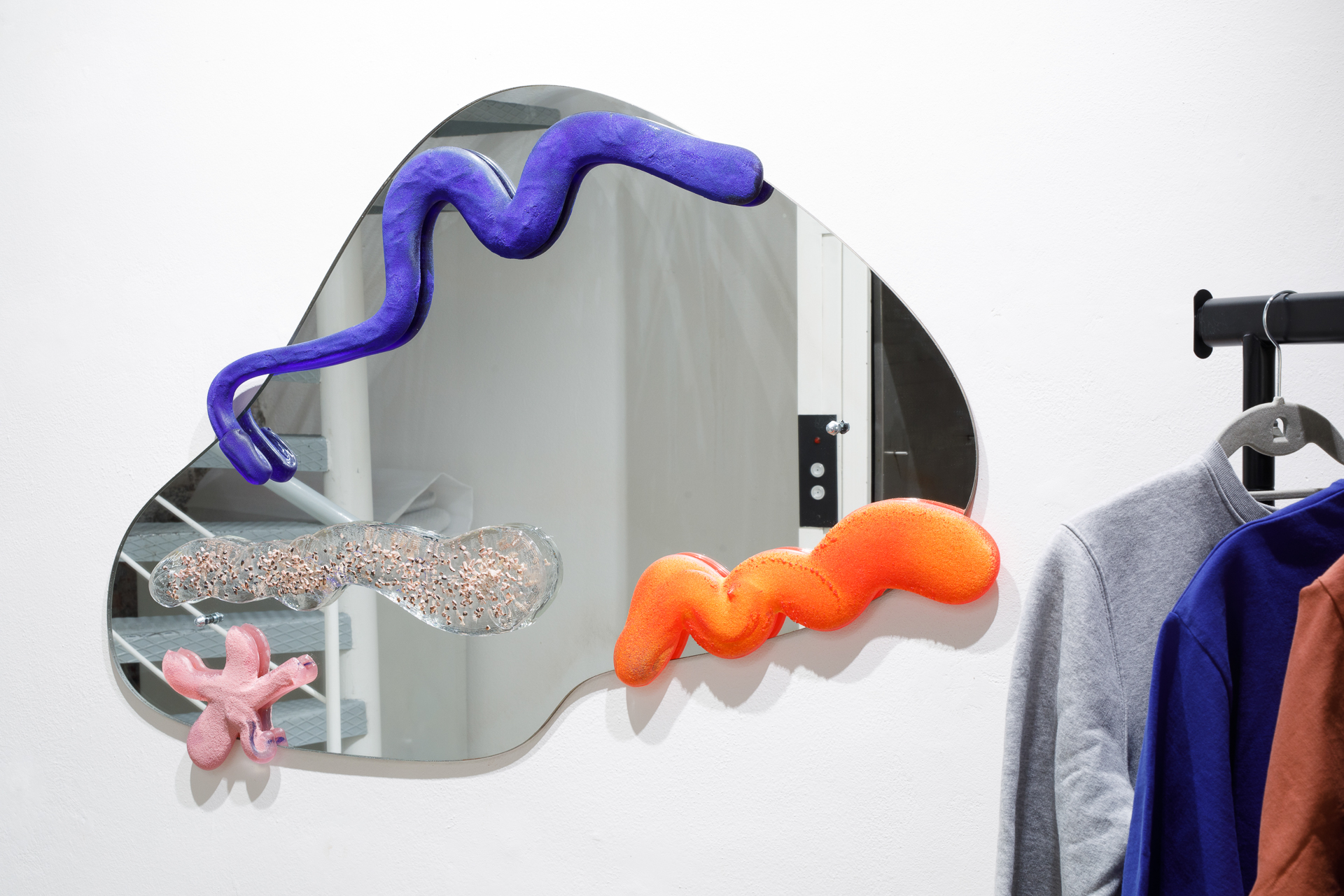
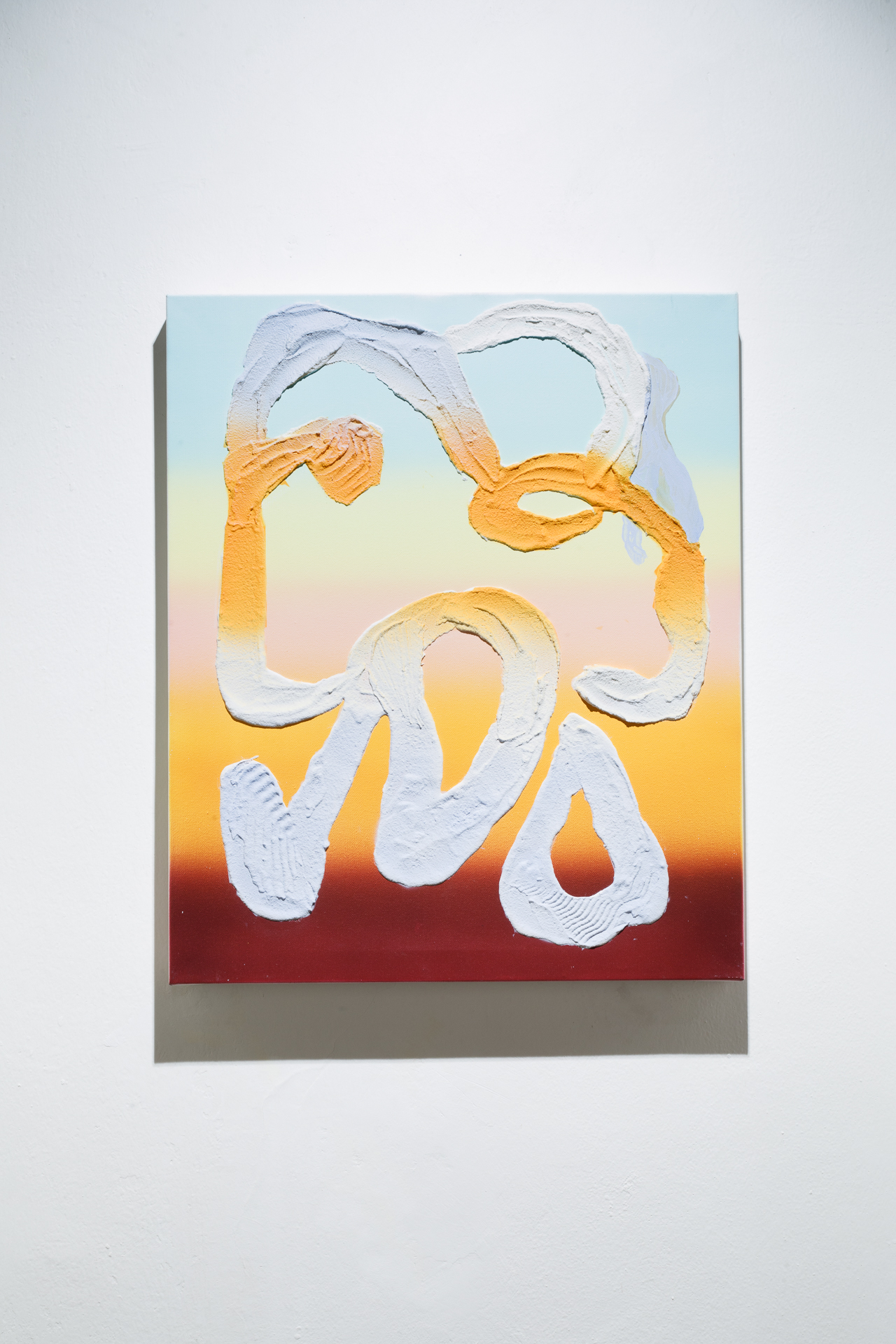
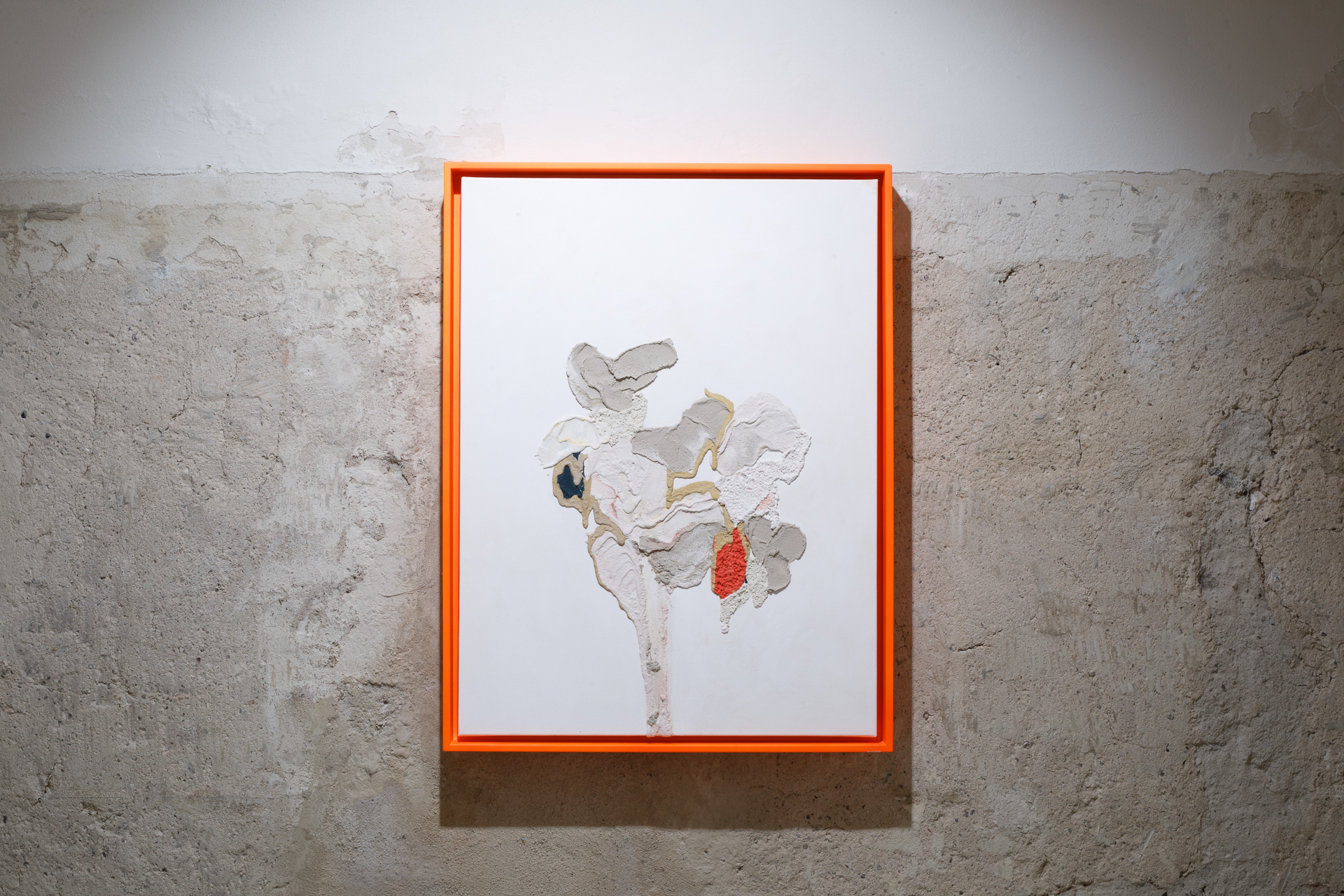
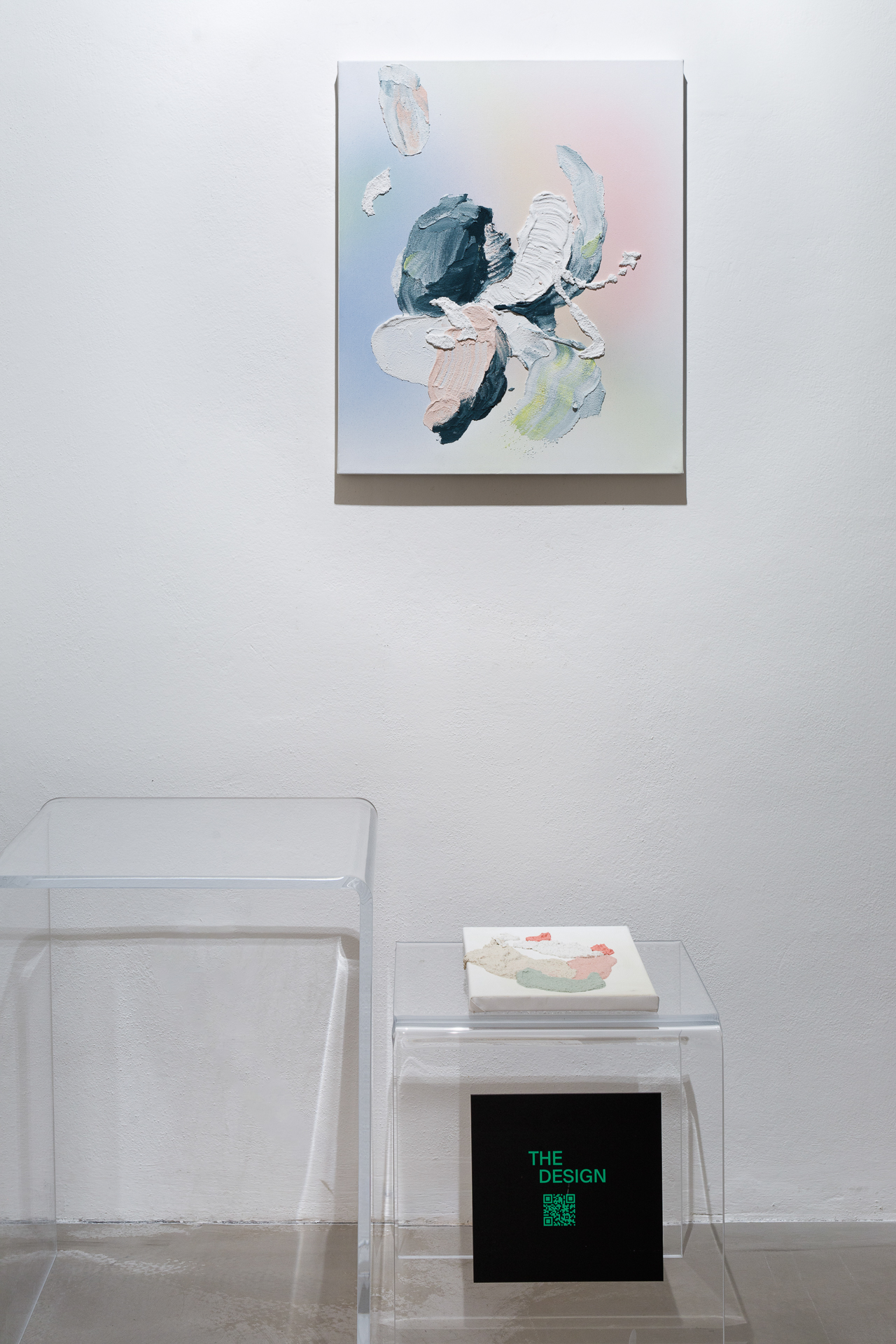
In his current work, he is developing an artistic language that combines the roughness of building materials with the delicacy of glass and the softness of textiles. The paintings are created using the dripping technique, flowing over the edges of the frames like a liquid body that is giving up its form. She transforms materials such as paste plaster and cast glass into three-dimensional objects that give the impression of collapsing at any moment. These “balancing objects” draw inspiration from the principles of Zen gardens—places of calm and inner concentration—but in Lucia’s interpretation, this balance is dramatically shifted. Her objects are on the edge: both physically and semantically. Visually, they evoke a fall, a collapse, but also a lingering in a delicate moment of balance, which is only possible thanks to the fragile cooperation of contrasting materials.
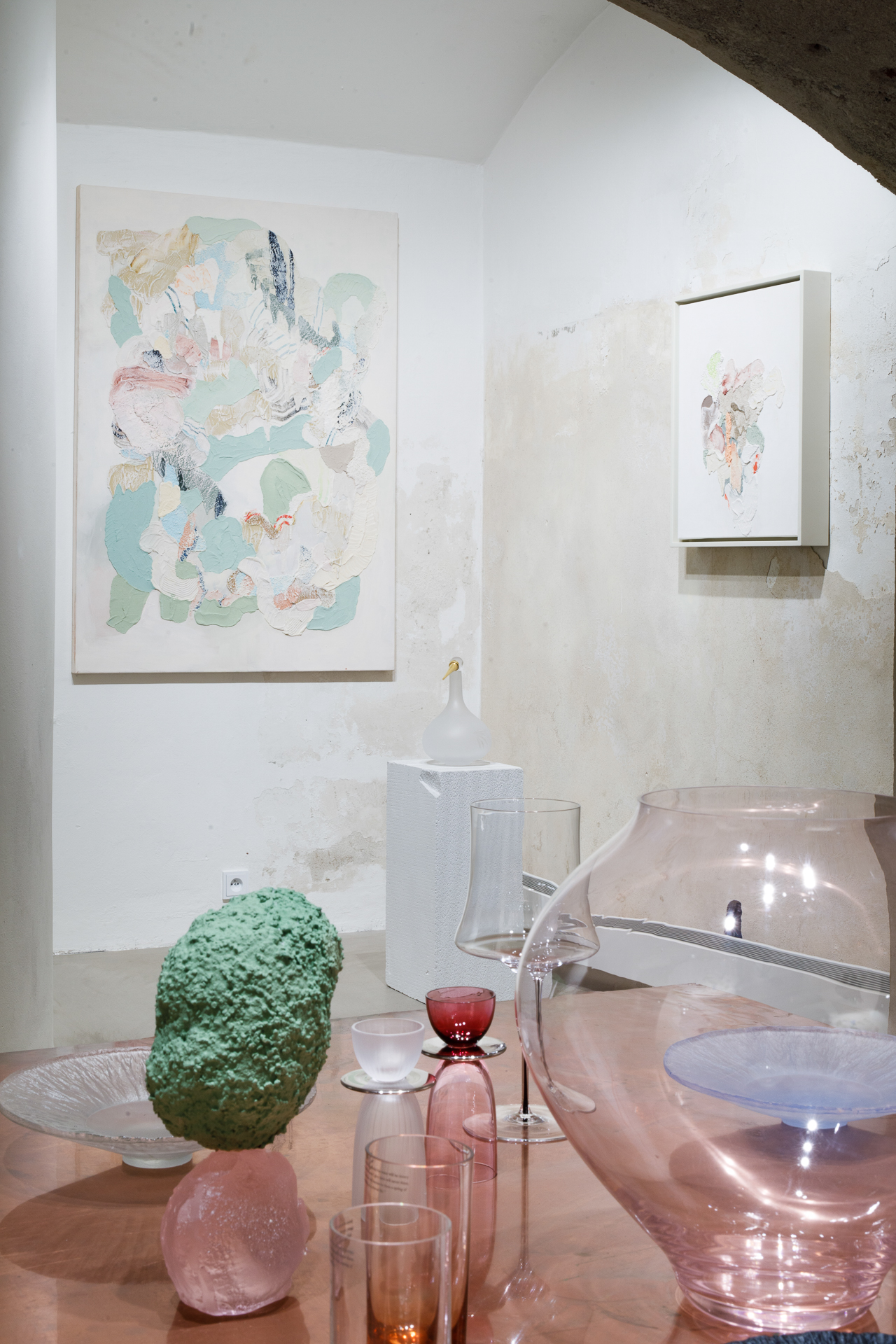
Relief, texture, and layering play a significant role in her work—a collage of plaster and glass, whose contrasting nature emphasizes the tension between heavy and light, rough and fragile. The resulting compositions often resemble murals or spatial paintings, extending painting beyond its traditional boundaries. Through her installations, Skřivánková creates spatial situations in which the viewer witnesses a moment that seems to be on the verge of a turning point – between movement and stillness, between collapse and resistance.
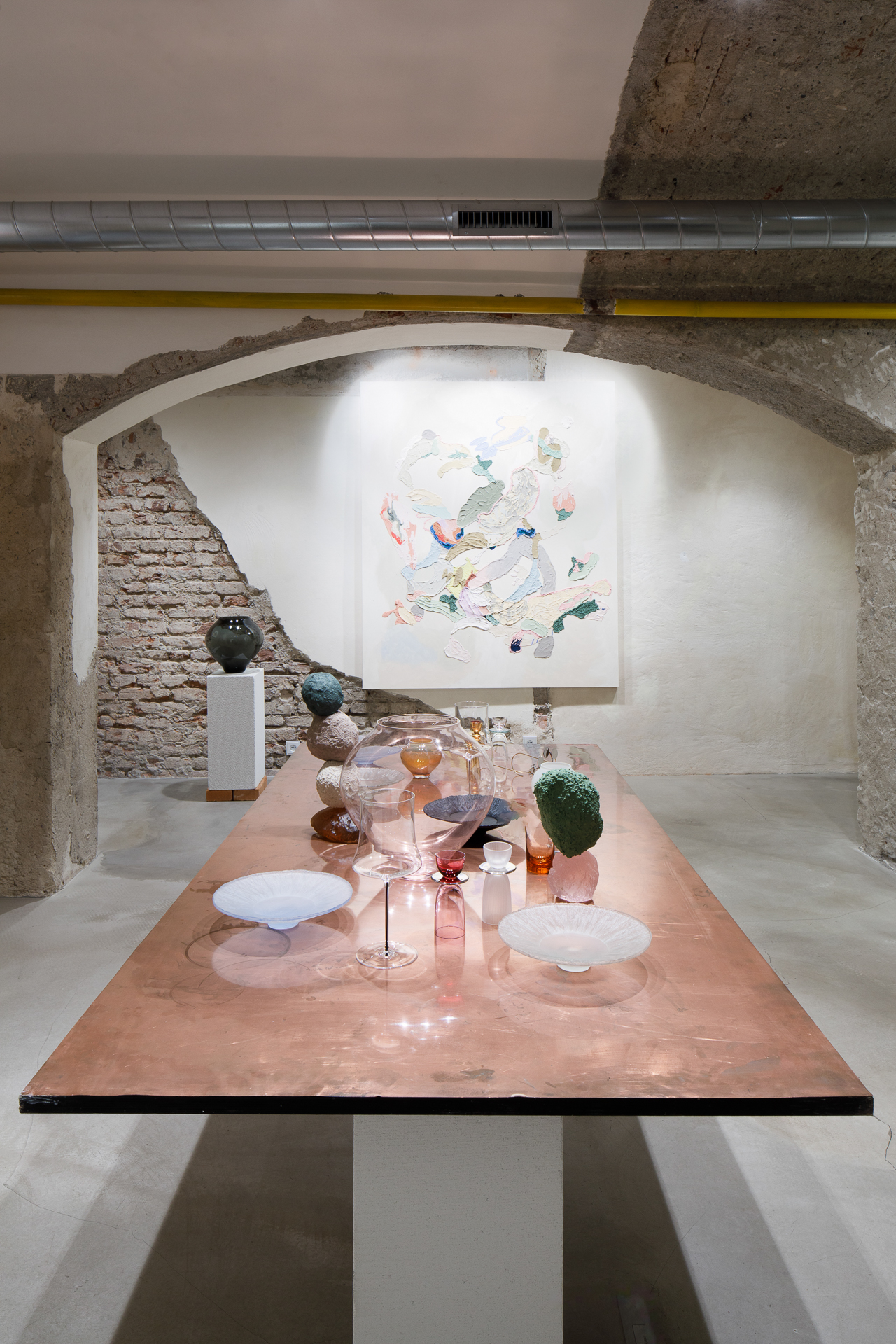
In her current exhibition, Skřivánková combines dripping paintings with objects made of a mixture of plaster and glass, whose form is based on traditional meditation stones – but their arrangement gives the impression that they are about to lose their balance. The works evoke a state of tension, fragile existence, and inner instability—a moment when the body and mind oscillate on the brink of collapse, but at the same time find their strength and authenticity in this very instability. Through her material, Skřivánková thus opens up themes of the inner landscape, sensitivity, and bodily experience – a world that is not firmly anchored, but is deeply human precisely because of this.
Artist's exhibitions
Liquid Tension
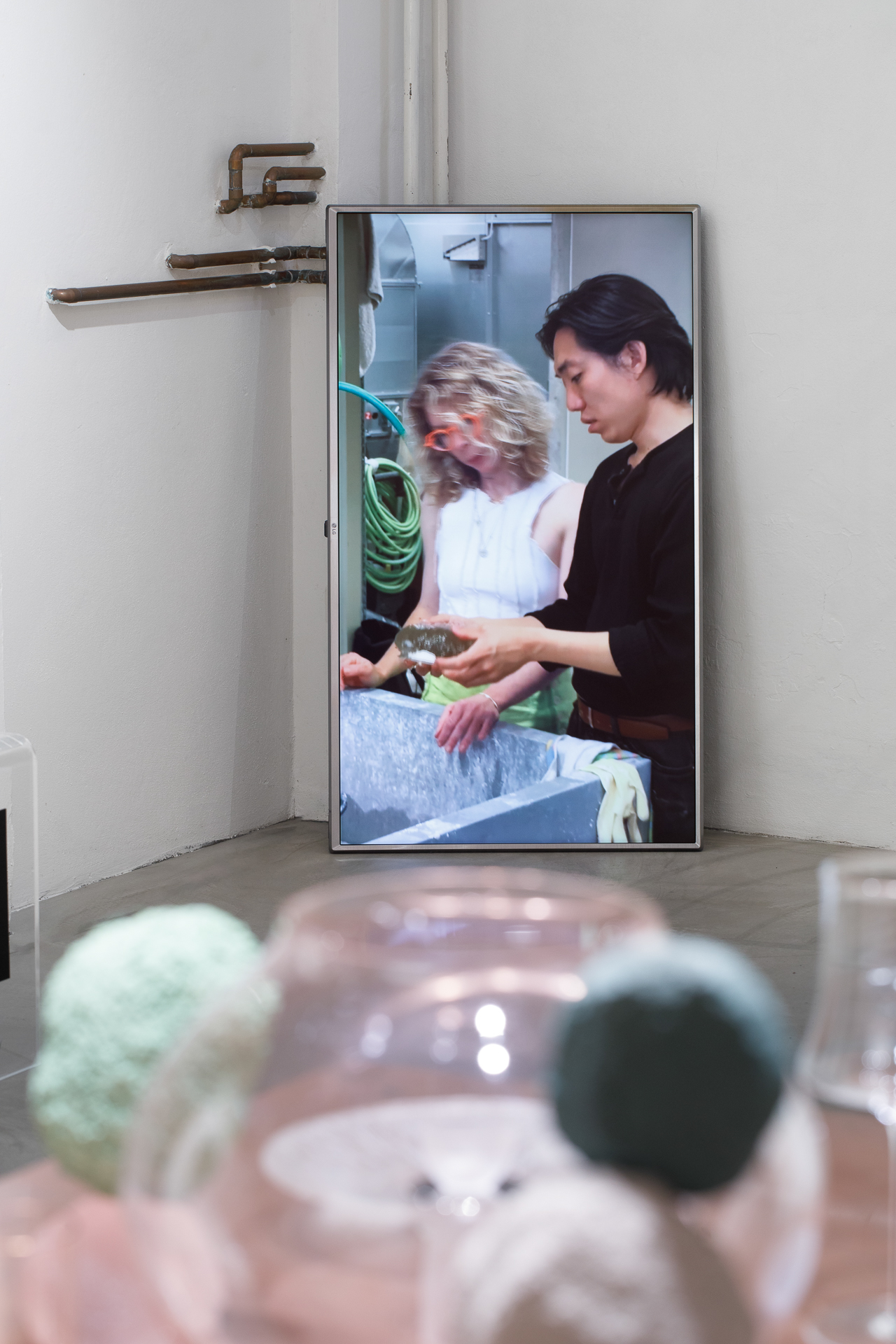
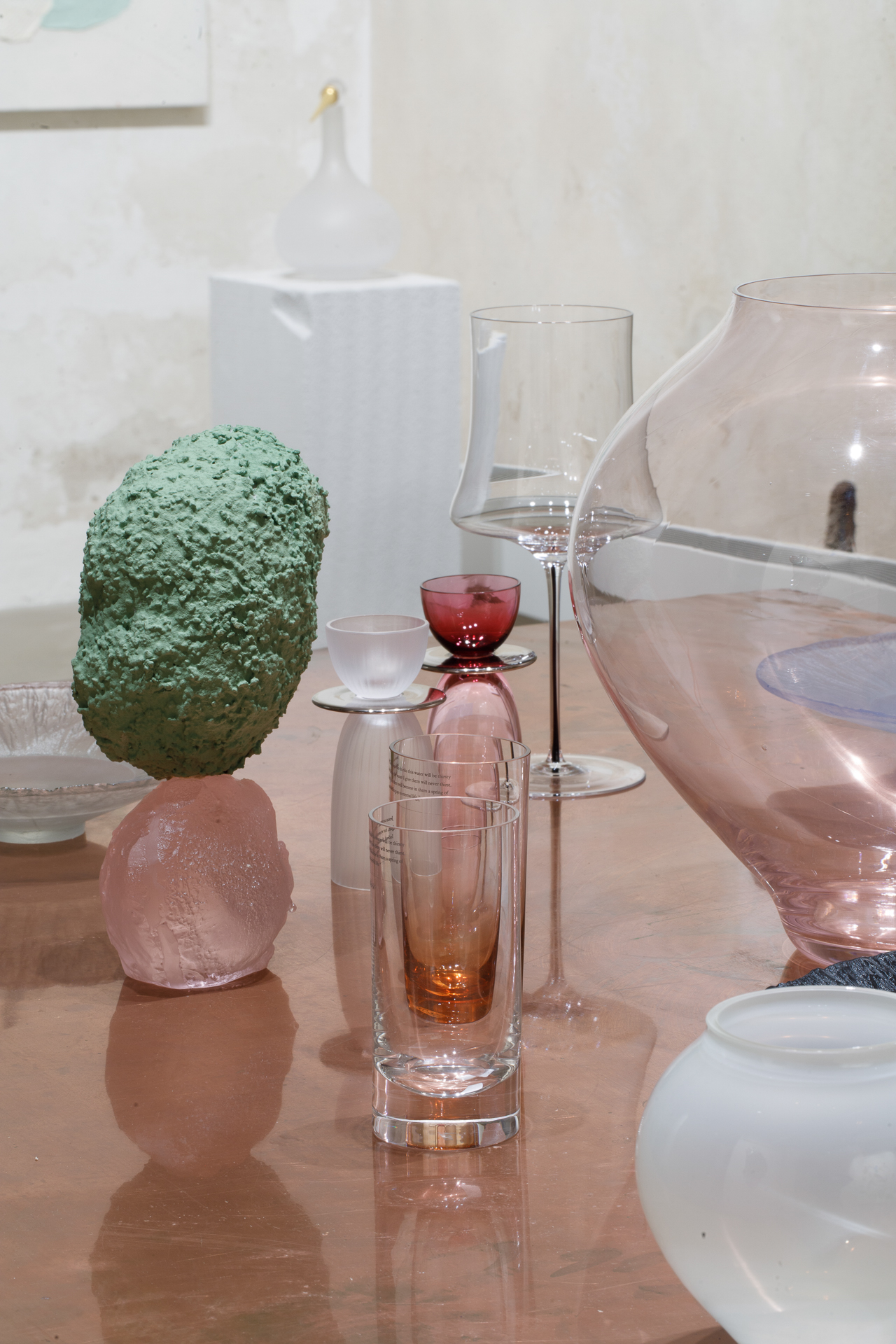
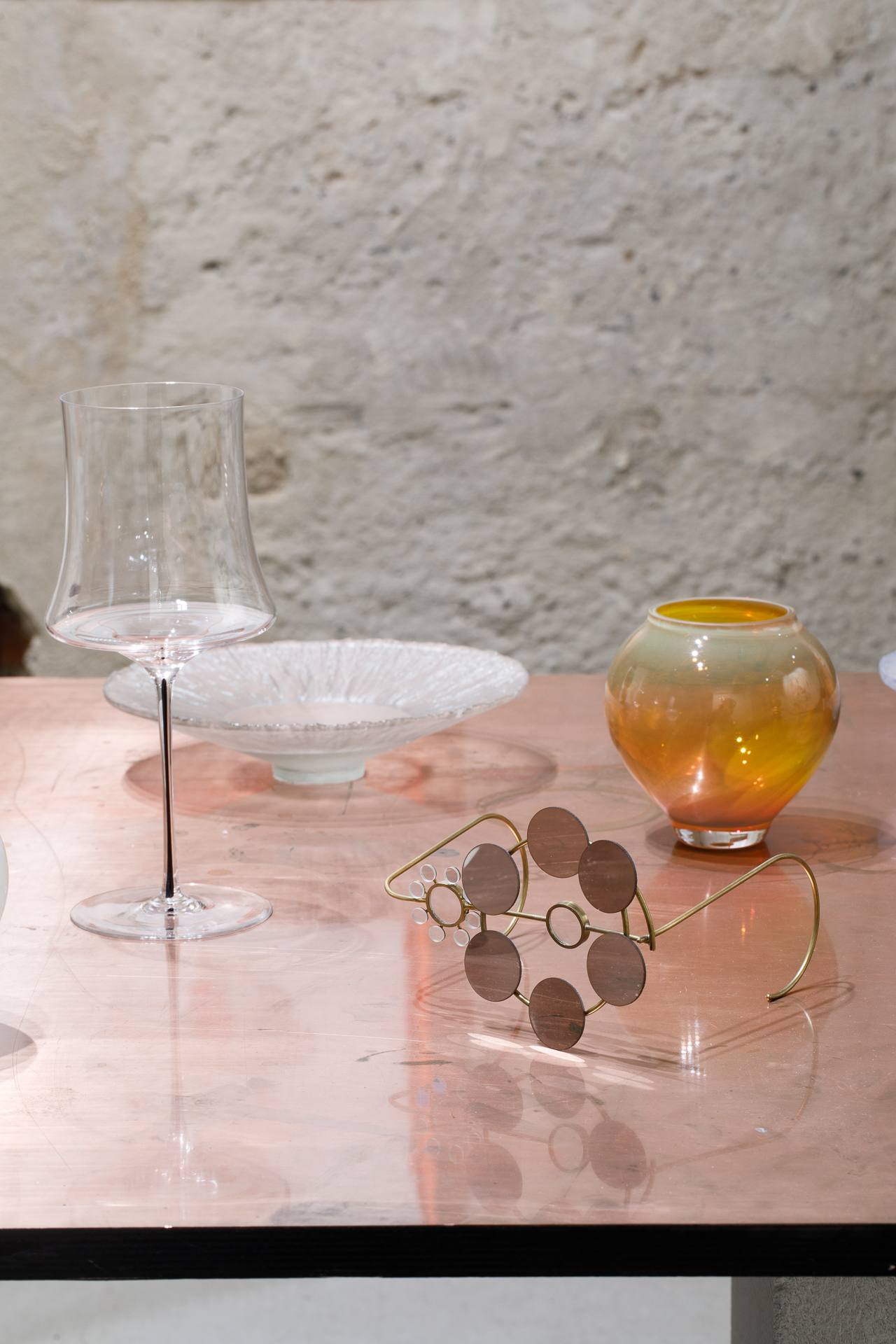
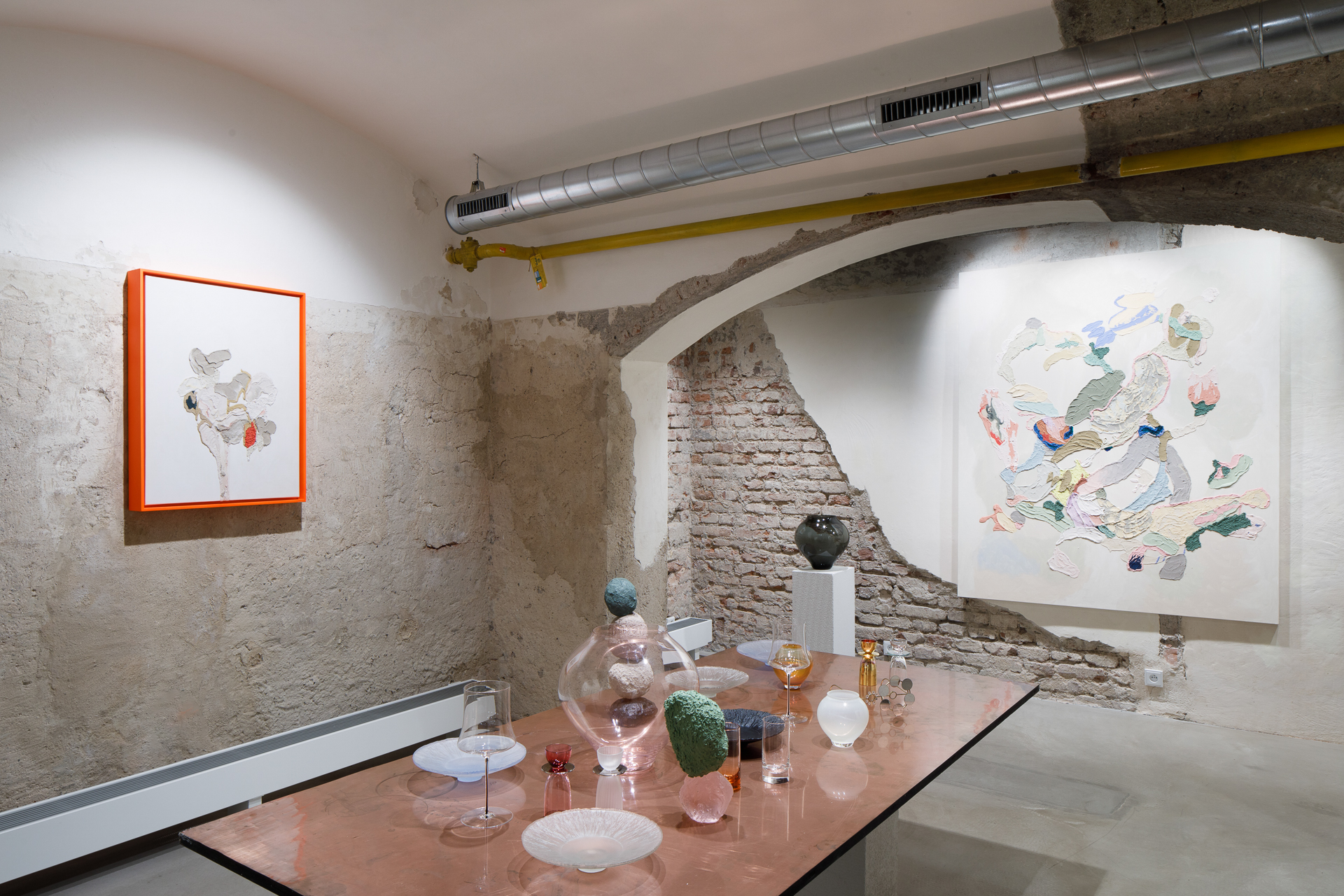
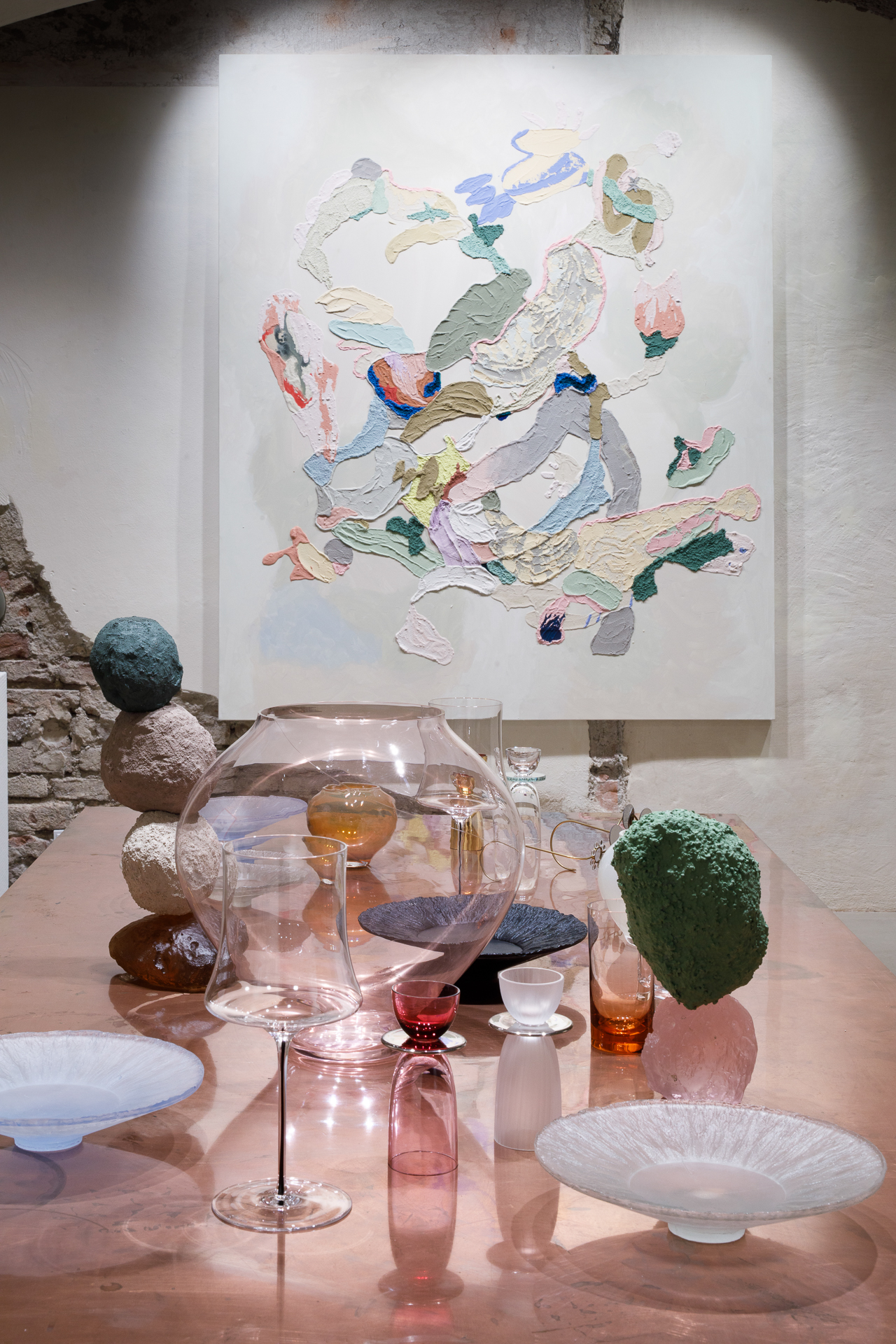
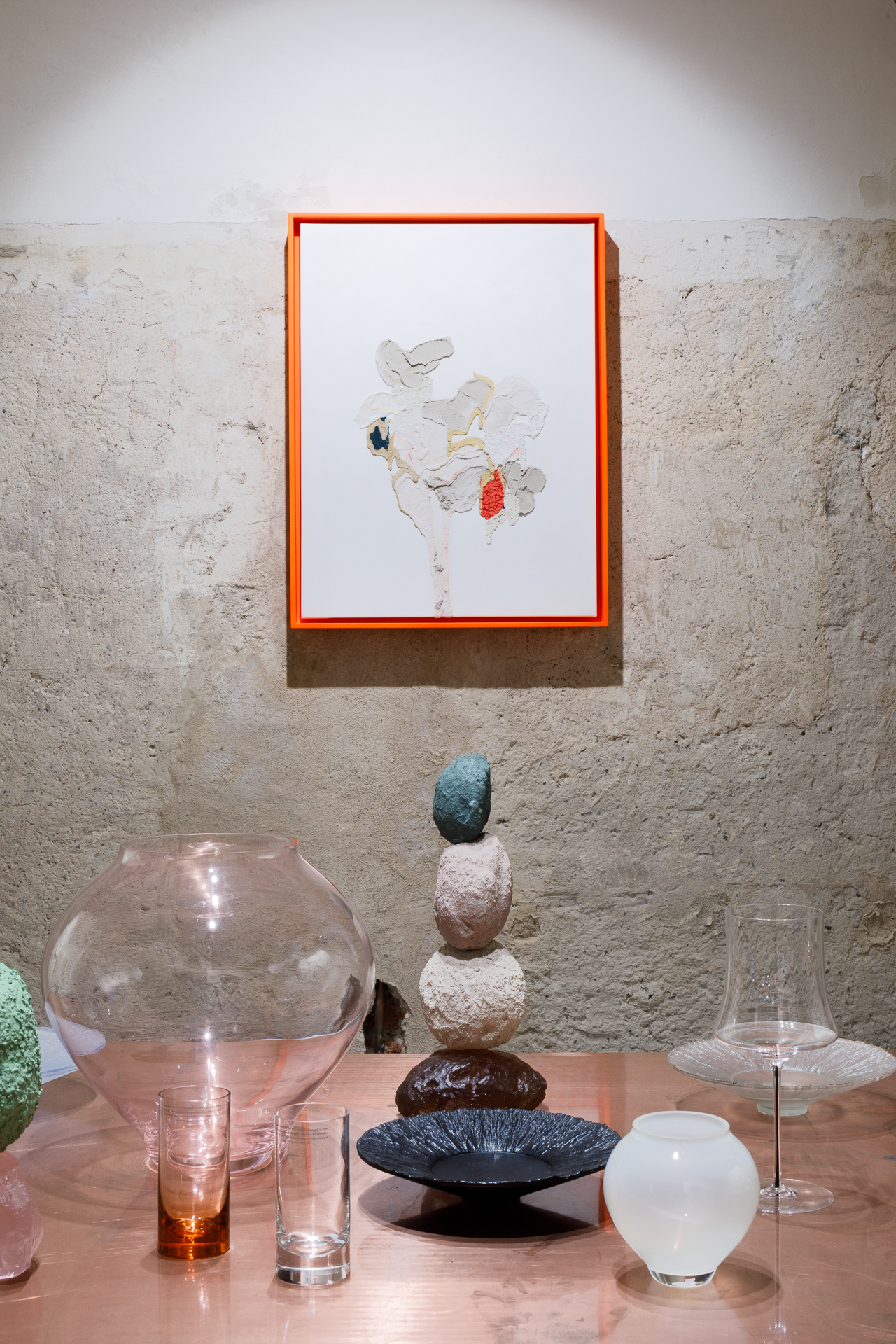
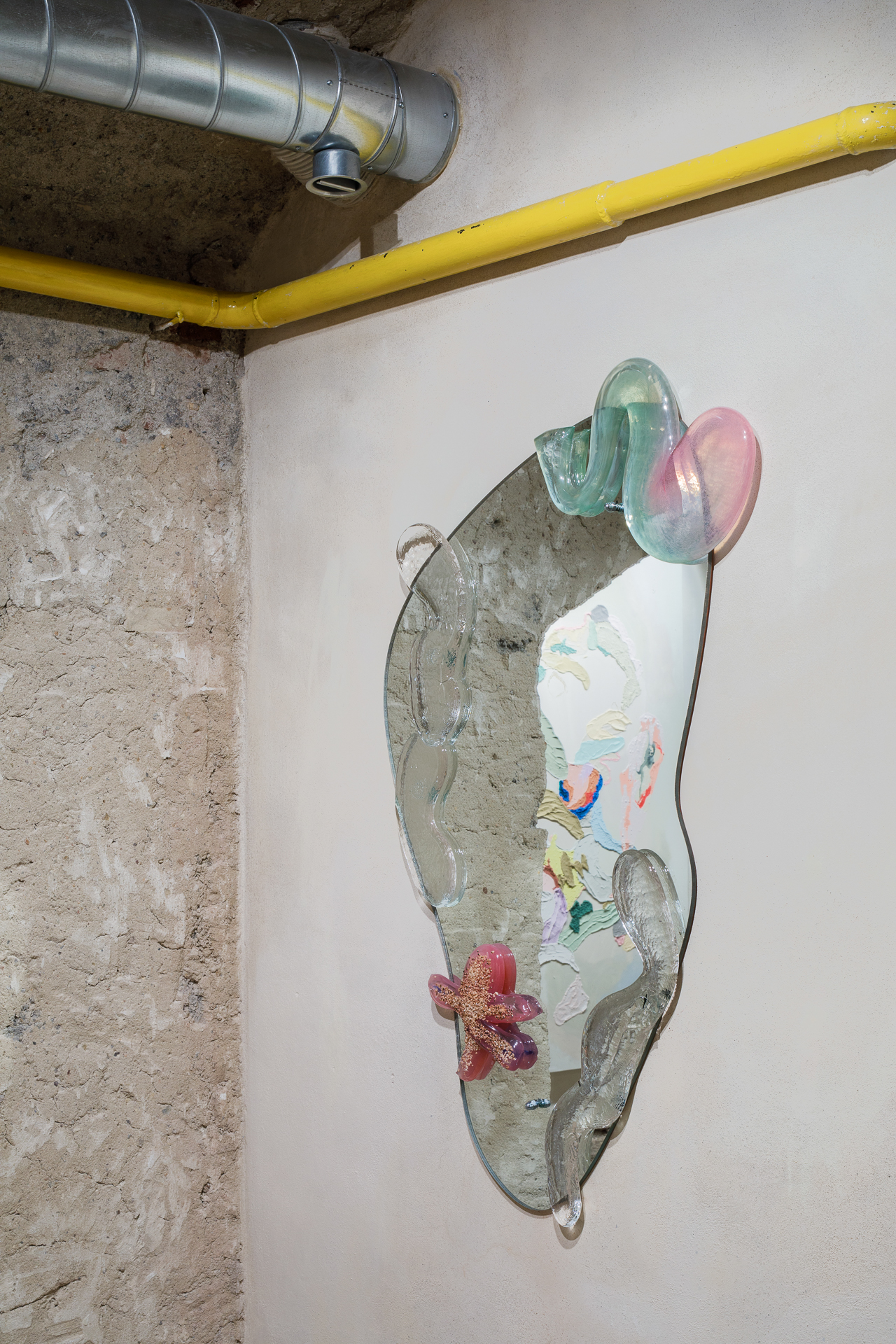
AVAILABLE ART Byoungchan Yun, Lucie Jindrák Skřivánková
Byoungchan Yun is a Korean designer working between Seoul and Prague, and Lucie Jindrák Skřivánková is a Czech painter and multimedia artist known for her large-format paintings, murals, and textile objects.
Each approaches their medium—glass and painting—from different cultural and material backgrounds. Yet, in this exhibition, they create a shared space where form and fluidity, past and present, intertwine.
We live in an era that strives to name, grasp, structure, and categorize everything. In a society yearning for control—over time, the body, nature, and emotions. However, precisely where logic falls short and precision meets its limits, the realm of art begins. The exhibition Liquid Tension emerges as a quiet resistance to this pressure. It celebrates tension and harmony, spontaneity and form.
The collaborative project by Byoungchan Yun and Lucie Jindrák Skřivánková is the result of a long-term dialogue between two cultures, two approaches to material and creation. Both artists find inspiration in each other’s countries—Yun in the Czech Republic, Skřivánková in South Korea. This cross-border interest goes deeper than mere aesthetic fascination—it embodies mutual listening, openness to otherness, and embracing tension as a form of sharing.
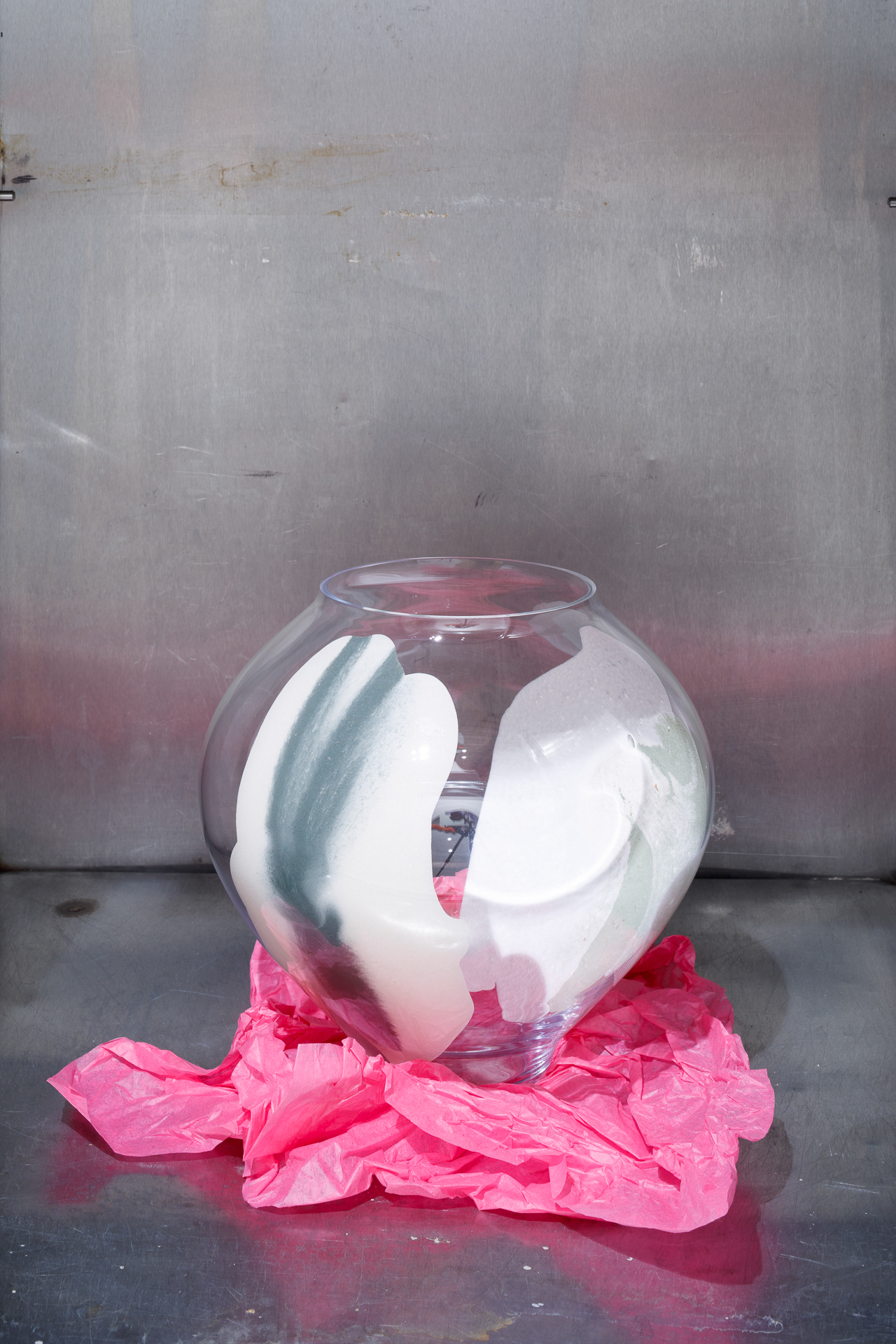
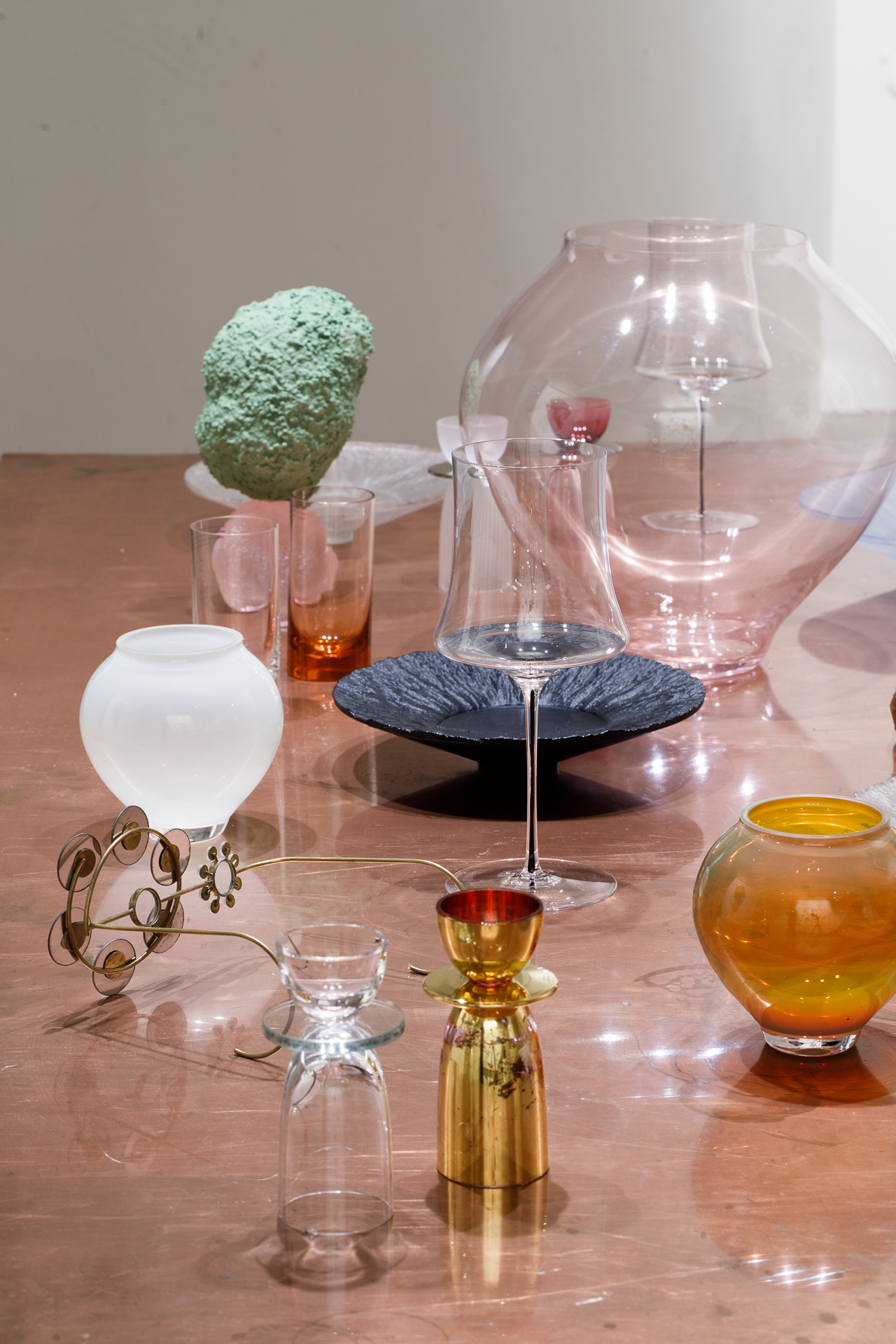
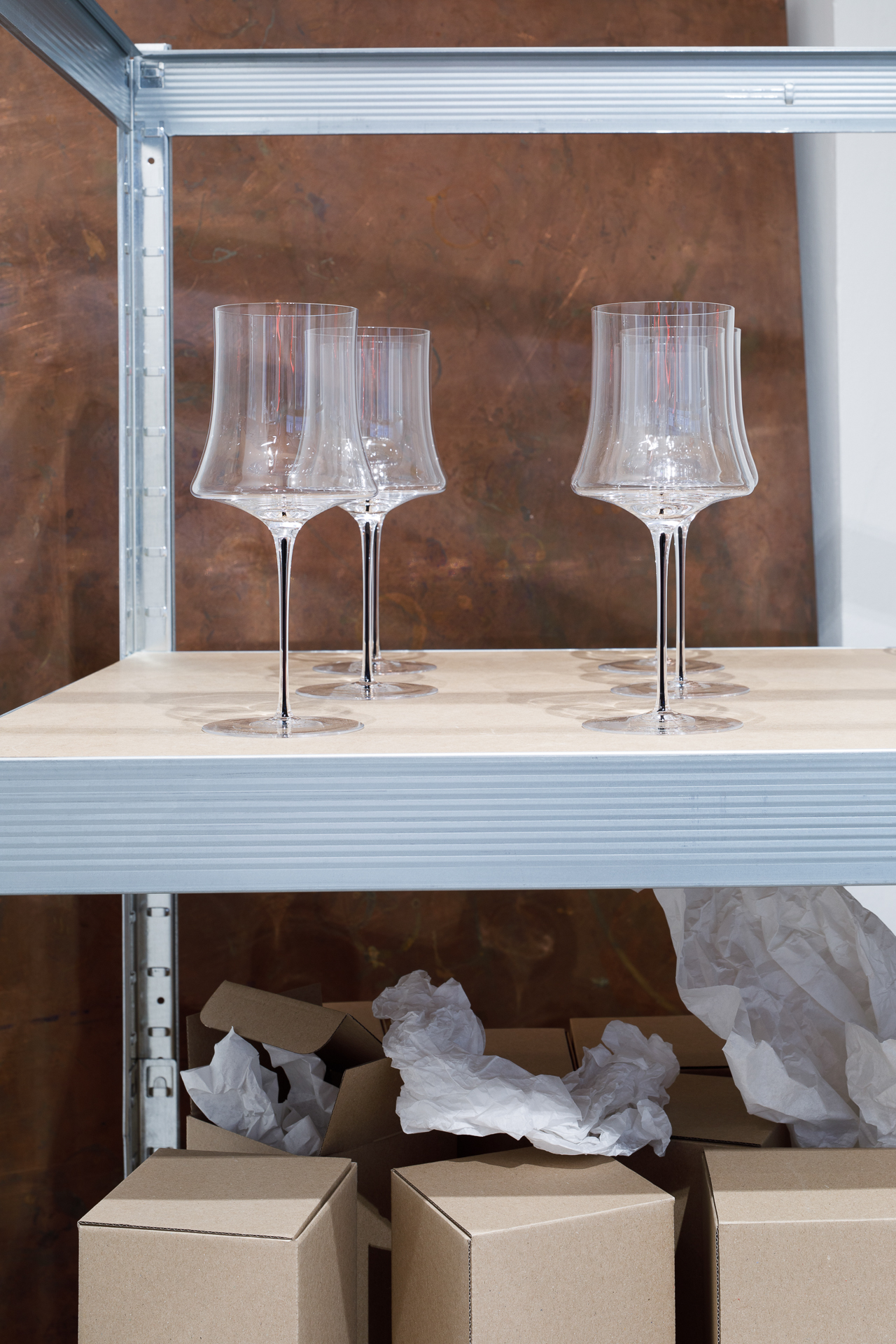
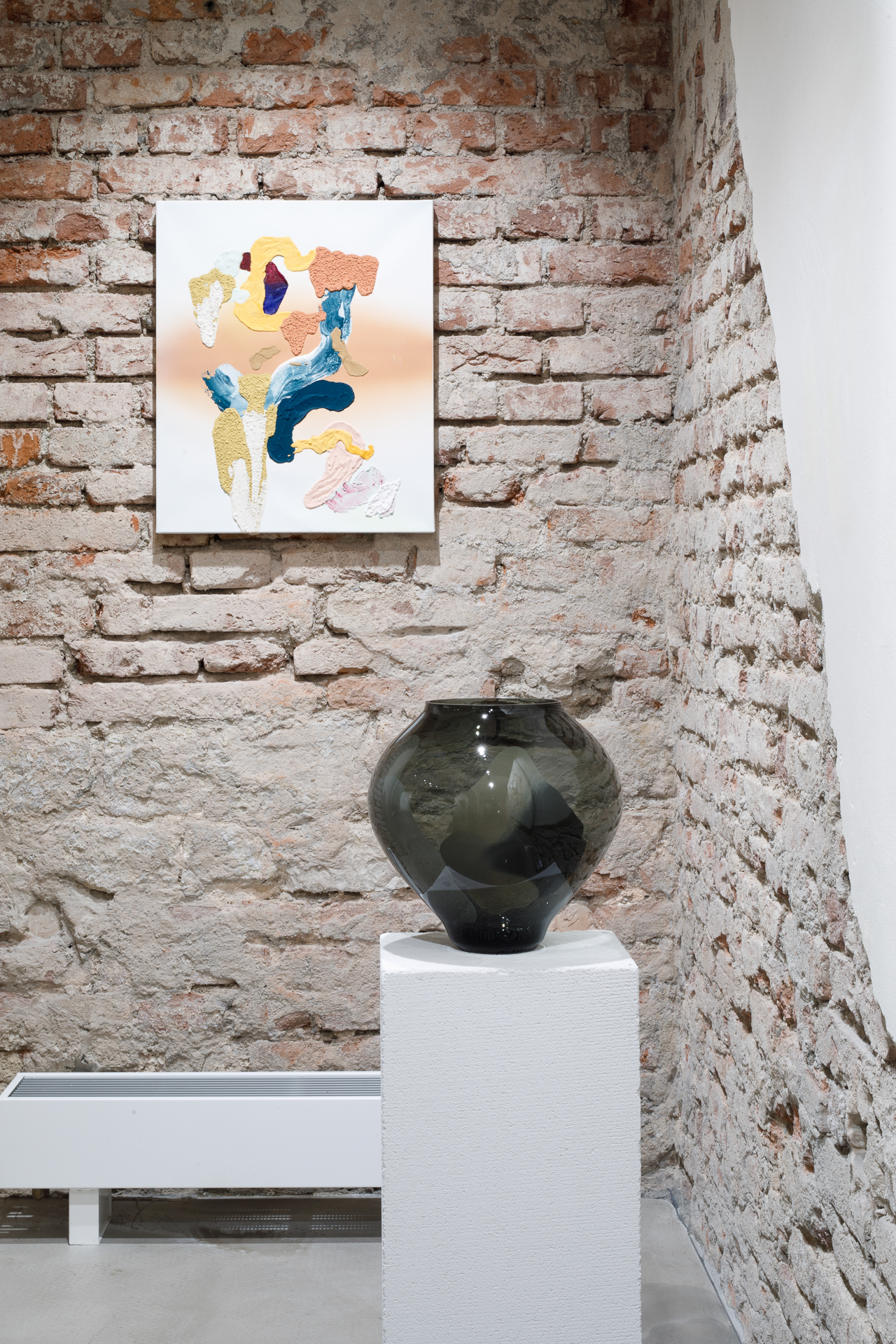
The central object of the exhibition is a reinterpretation of the traditional Korean moon jar, which here becomes a bearer of shared form. Glass, designed by Byoungchan Yun and blown by Czech glass masters, meets the painting of Lucie Jindrák Skřivánková, which flows spontaneously across its surface, settling, resisting control. Her paintings arise without the use of a brush, through gravity, chance, and trust in a process that cannot be fully directed. This approach serves as a counterbalance to Yun’s design precision, who nonetheless seeks fragility, subtlety, and tension in his work.
Liquid Tension is not just the title of the exhibition—it is the principle upon which the entire project stands. It embodies the tension between form and fluidity, between control and release, between two creators who have met in a space of mutual respect.
AVAILABLE ART Byoungchan Yun, Lucie Jindrák Skřivánková
The exhibition was created with the support of the Ministry of Culture and the State Fund for Culture.

